New ‘elderly’ species from China on the ‘verge of extinction’ with no young left

At the time many new species are discovered, they are already facing significant threats to their survival.
Some have gone unnoticed for so long because their populations are small, with their habitats limited to a single stream, cave, or patch of forest, and human pressures changing their environment more quickly than they can adapt.
For Gibbosula sinensis, or the newly discovered Chinese freshwater pearl mussel, their tiny population is “on the verge of extinction” due to a “grave problem,” according to a study published Aug. 26 in the journal Zoosystematics and Evolution.
Researchers said over the course of a three-year survey, they found fewer than 100 mussels all facing a serious problem that threatens their survival — most of them are “elderly.”
There’s a “complete absence of juveniles,” researchers said, noting this negatively impacts the species’ ability to reproduce.
“It will soon become extinct without protective measures,” researchers said.

Gibbosula mussels are “the most threatened group of freshwater mussels in the world,” according to the study. Related species, despite being nationally protected, are facing extinction due to “severe illegal fishing,” the study said.
One related species, Gibbosula confragosa, has not been seen alive since it was discovered in 1928. Researchers said it is “likely” extinct.
In China, the natural river habitats of Gibbsula mussels have been “desiccated or been transformed into reservoirs,” researchers said.
The new mussel species, which had been previously misidentified as a related species in 2022, was found living under “huge” stones at the widest, fastest flowing section of the Nanbanhe River in eastern China, according to the study.
Given its very small habitat range, environmental threats and “economic value,” researchers have kept the species’ exact location a secret.
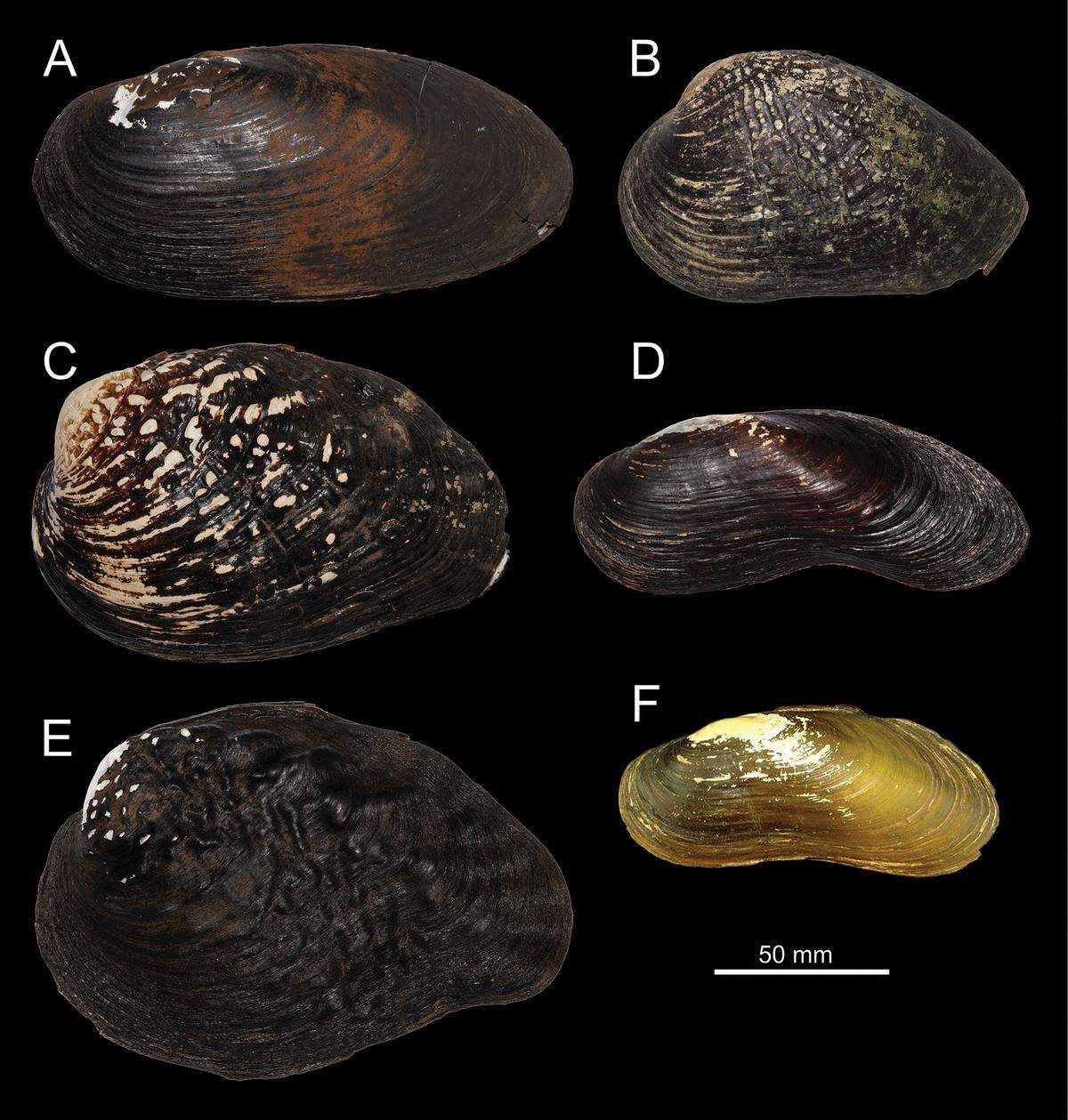
The new species is described as having shell that is “large,” “fragile,” “slender” and “very curved,” according to the study. The largest specimen collected had a shell just over 5 inches long and about an inch and a half wide.
The discovery of the Chinese freshwater pearl mussel may be what saves it, with researchers calling for “urgent attention and protection,” according to the study.
The research team included Zhong-Guang Chen, Yu-Ting Dai, Hui Chen, Hong-Fei Hu, Jiao Jiang, Liang Guo, Shan Ouyang, Xing-Xing Zhao and Xiao-Ping Wu.
This story was originally published August 27, 2025 at 2:15 PM with the headline "New ‘elderly’ species from China on the ‘verge of extinction’ with no young left."