Skull shows ancient Romans battled this predator in arena ‘spectacles’ in Serbia
Across the Roman empire, wild animals were exploited for public entertainment.
In these “spectacles,” often held in amphitheaters like the famed Colosseum in Rome, animals were used as circus performers, gladiatorial combatants, and even convict executioners, according to experts.
“High-ranking and wealthy individuals organised spectacles in the provinces, often during religious festivals, after major building activities, triumphs or imperial visits,” researchers said in a study published Sept. 1 in the journal Antiquity.
Archaeological evidence such as skeletal remains found at the sites of these ancient venues are helping researchers identify the species involved in the events.
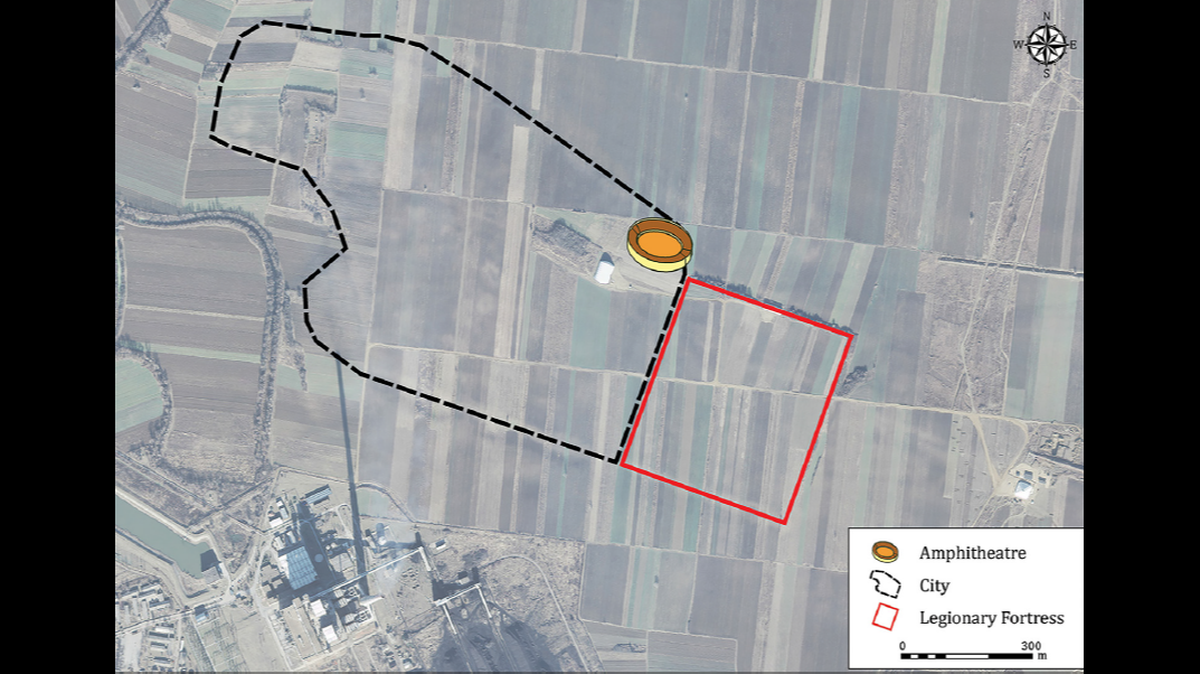
The skull of a brown bear discovered in 2016 at the Viminacium amphitheatre in Serbia and recently analyzed provides the first physical evidence of the species’ involvement in Roman spectacles, as well as insights into its life in captivity, according to the study.
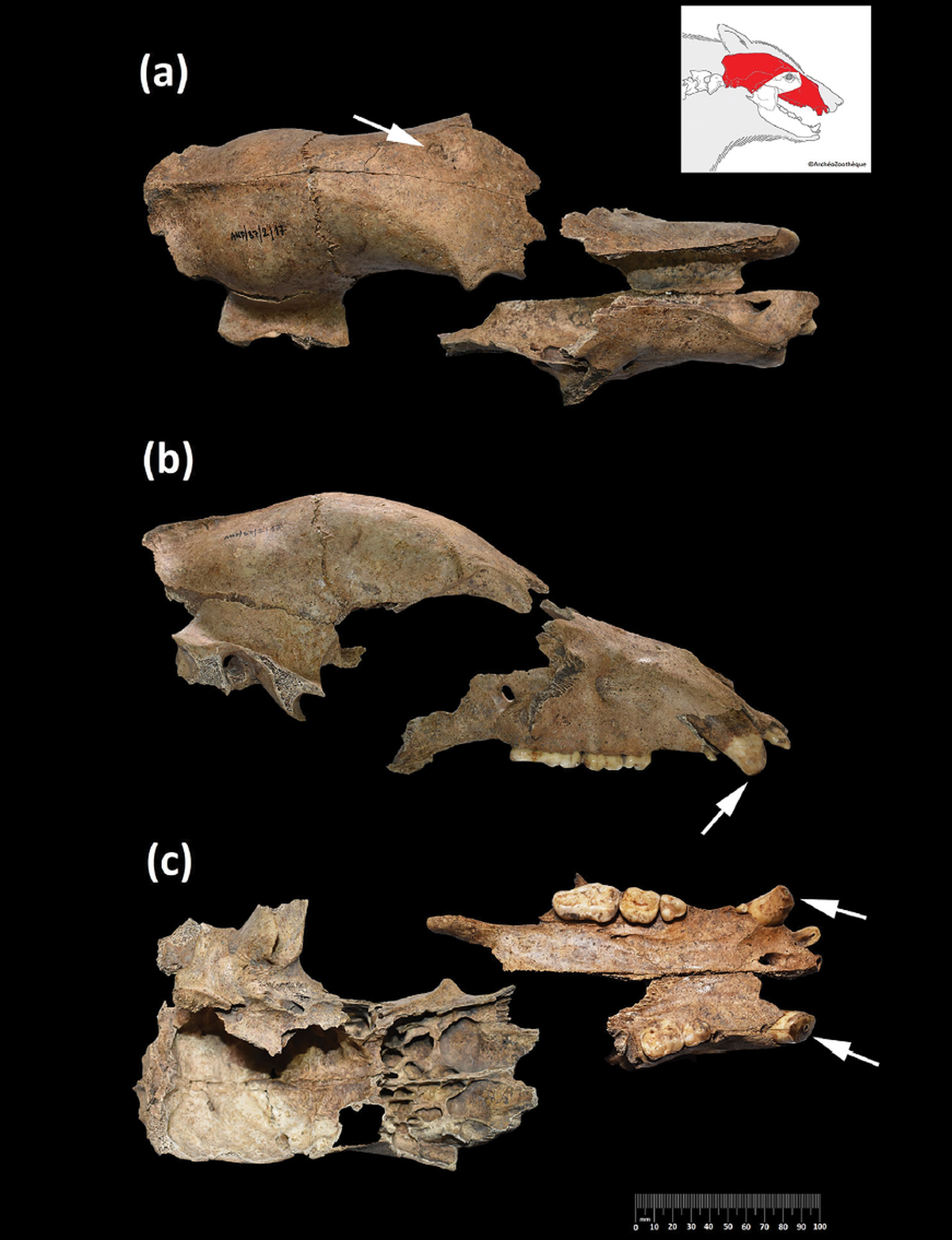
Analysis of the skull suggests the male bear was likely “captured in the local Balkan area” and was 6 years old when it died.
Evidence shows he “suffered an impact fracture” that began healing, but ultimately became infected, according to the study.
Various depictions of Roman “venators,” or animal fighters, in combat against bears show them equipped with long spears designed for hunting, and occasionally swords and shields, according to the study.
Researchers said they believe a spear injury from combat is the “most likely” cause of the bear’s cranial injury.
The animal also showed signs of “abnormal tooth wear to both upper canines” which “may be a consequence of long periods spent in captivity, chewing on enclosing metal bars,” researchers said.
Researchers said the Romans likely used the bear “repeatedly” in spectacles at the Viminacium.
The bear skull was not directly carbon dated, but another bone from the site in the same archaeological context was between 1,675 and 1,785 years old, researchers said.
According to ancient texts, bears from the Balkans, North Africa, Caledonia and Lucania were also transported to Rome to participate in games at the Colosseum.
Viminacium is about 55 miles east of Belgrade.
The research team included Nemanja Marković, Bruce Rothschild, Danijela Popović, Ivan Bogdanović and Sonja Vuković.
This story was originally published September 4, 2025 at 11:46 AM with the headline "Skull shows ancient Romans battled this predator in arena ‘spectacles’ in Serbia."