
‘Ancient nests’ of bone-eating vultures reveal centuries-old artifacts in Spain
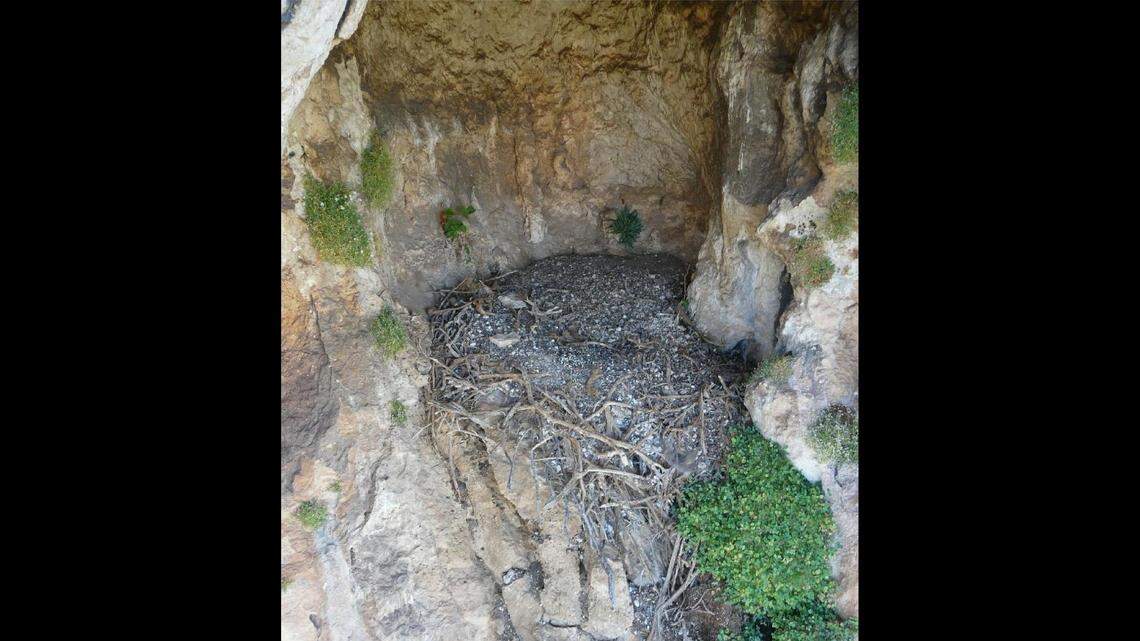
In the cliffs of southern Spain sit “ancient nests” built by bone-eating vultures but left abandoned since the birds went locally extinct roughly a century ago. The “well-preserved” nests hid many “extraordinary” centuries-old artifacts — until recently.
A joint team of ecologists and archaeologists decided to investigate old bearded vulture nests in southern Spain in hopes of finding something interesting, according to a study published Sept. 11 in the peer-reviewed journal Ecology.
Bearded vultures are “territorial,” bone-eating raptors known to “occupy their territories over long periods of time,” researchers said. The species went locally extinct in southern Spain between 70 and 130 years ago and is generally considered “the most threatened vulture in Europe.”
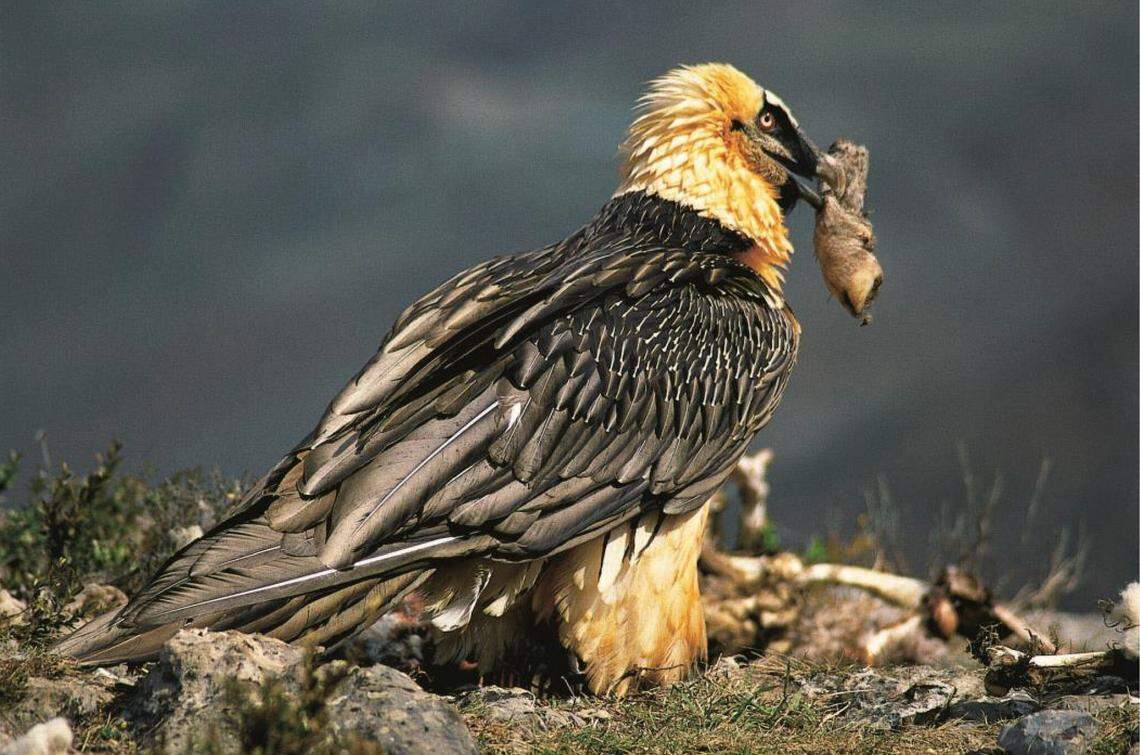
The traditional image of a bird’s nest is a small, roughly circular twig structure in a tree, but the nests of bearded vultures look significantly different. Their nests are typically located in cliff-side caverns and look more like a vague pile of large sticks, photos show.
To find these abandoned bearded vulture nests, researchers read the accounts of 18th century naturalists, talked with people in their 70s and 80s who might have first- or secondhand stories of these birds and spoke with other scientists working in rocky areas of southern Spain, the University of Granada said in a Sept. 18 news release.

Eventually, between 2008 and 2014, the team located “50 well-preserved historical bearded vulture nests” and meticulously deconstructed 12 nests layer by layer, the study said.
The results?
The “ancient nests” had “acted as natural museums” and held many “extraordinary” human artifacts, researchers said.

In total, the nests included over 2,200 bone and hoof remains, over 120 cloth fragments, over 70 leather fragments, almost 50 eggshells, 25 items made from grass and 11 pieces of hair. Photos show some of these finds.
About 90% of the finds were linked to the diet and reproduction of bearded vultures, and the rest were human-made artifacts “probably used during nest building,” researchers said. Only a fraction of the items were examined in-depth or analyzed with radiocarbon dating.
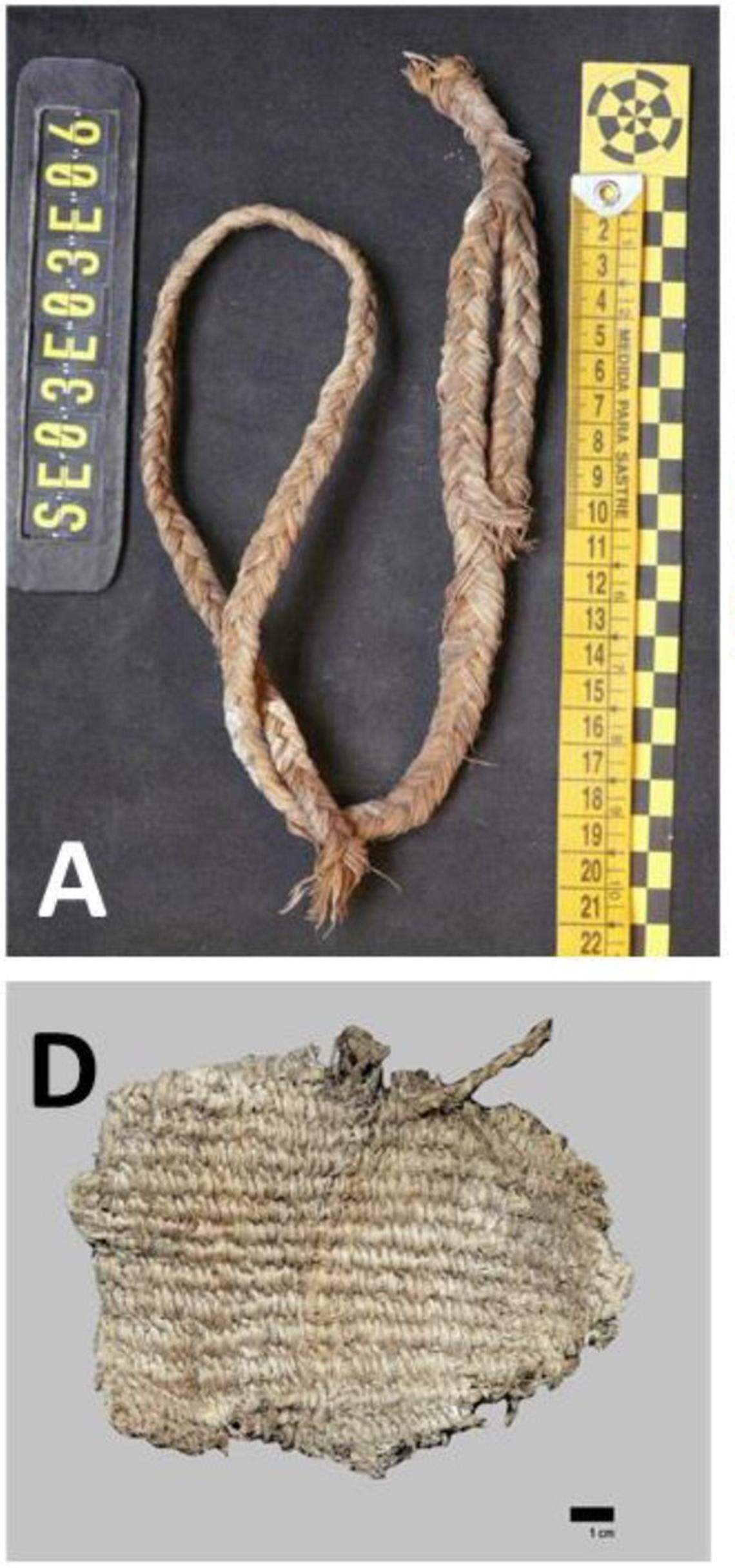
One bearded vulture nest included a “fragment of ochre-painted sheep leather” dating back at least 630 years and “a complete sandal made of esparto grass cord” dating back at least 650 years, the study said. The shoe, known as an “agobía,” is a type of “rough footwear” that “typically lasted for a few days of wear and (was) continuously repaired and replaced by hand by the wearer.”
A “basketry fragment” was found in a different nest and dated to “the late 18th century,” the study said.
In another nest, researchers found a “crossbow bolt” of unknown age that the bearded vulture “may have used as nest building material” or accidentally collected during its scavenging.
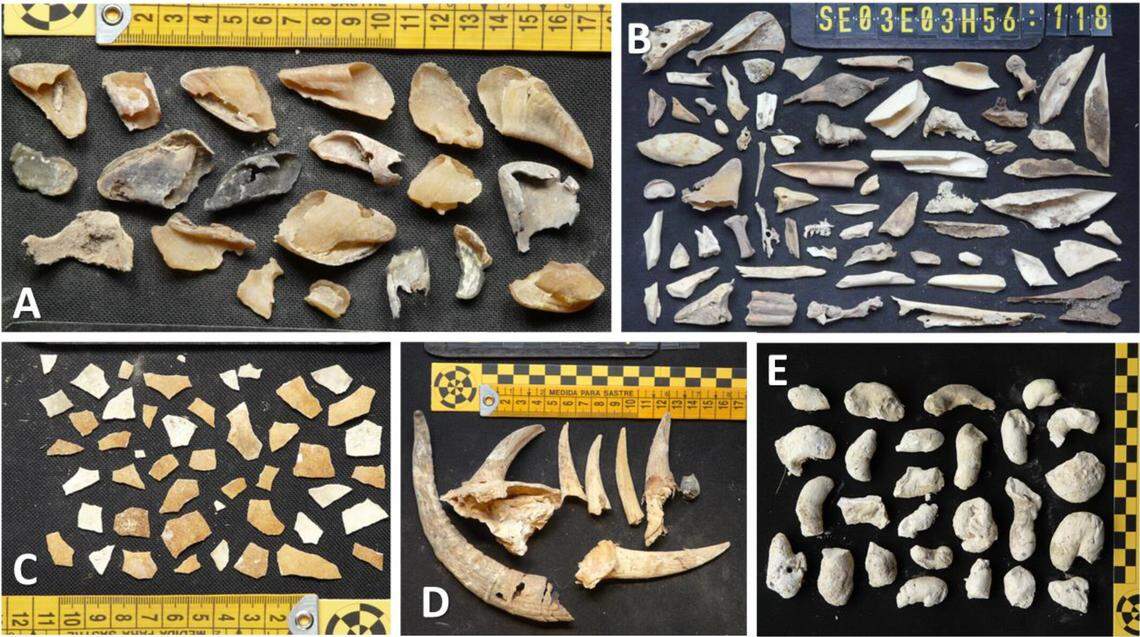
Photos show some of these centuries-old “handcrafted” artifacts found in the vulture nests.
Researchers concluded that the bearded vulture nests contained “abundant and well-preserved anthropogenic elements” and could provide unique insights for archaeologists, ecologists and other scientists.
The research team included Antoni Margalida, Sergio Couto, Sergio Pinedo, José María Gil-Sánchez, Lucía Agudo Pérez and Ana Marín-Arroyo.
Google Translate was used to translate the news release from the University of Granada.
This story was originally published September 19, 2025 at 2:59 PM with the headline "‘Ancient nests’ of bone-eating vultures reveal centuries-old artifacts in Spain."
