
‘Pension relief’ bill still pending on legislature’s final day, with much at stake
When state lawmakers return to Frankfort Thursday for the last day of the 2019 General Assembly, the biggest issue still sitting on their plates also will be the hardest to swallow.
How much pension relief should they provide to the state’s regional universities and “quasi-public” entities, such as county health departments, mental health nonprofits, rape crisis centers, and other groups that are technically outside state government?
If the General Assembly does nothing, requiring these entities to fund their full share of the state’s $37 billion pension shortfall, then their contribution rates will explode when the next fiscal year begins July 1. Instead of paying 49 percent of each employee’s salary into the Kentucky Retirement Systems as a pension contribution, they will have to pay 84 percent.
That would require deep spending cuts and dramatic tuition increases at Eastern Kentucky University, Morehead State University and other regional universities and the closure of many essential local programs, including 64 county health departments in the next two years, officials at those agencies have warned. (The University of Kentucky and University of Louisville have their own retirement plans outside of KRS and would not be affected.)
For the current fiscal year, the legislature has approved a one-time pension contribution rate freeze at 49 percent for these entities. But that expires when the fiscal year ends June 30.
The House and Senate each have approved a pension relief plan under House Bill 358 that would renew the contribution rate freeze for another year — but under much different terms. The two chambers were unable to reach an agreement earlier this month.
The House plan would let the regional universities exit KRS by no longer enrolling new employees in defined-benefits pensions and then gradually paying off their pension liabilities for existing employees on a 25-year installment plan.
The Senate plan would go much further. It would create a transition process for all of these groups, the regional universities and the quasi-public entities, to leave KRS, move their existing employees into a 401(k)-style defined-contribution plan and then pay off their pension liabilities on an installment plan.
Senate Republicans say the only acceptable pension fix will require these groups either to start paying their full share or get out of KRS.
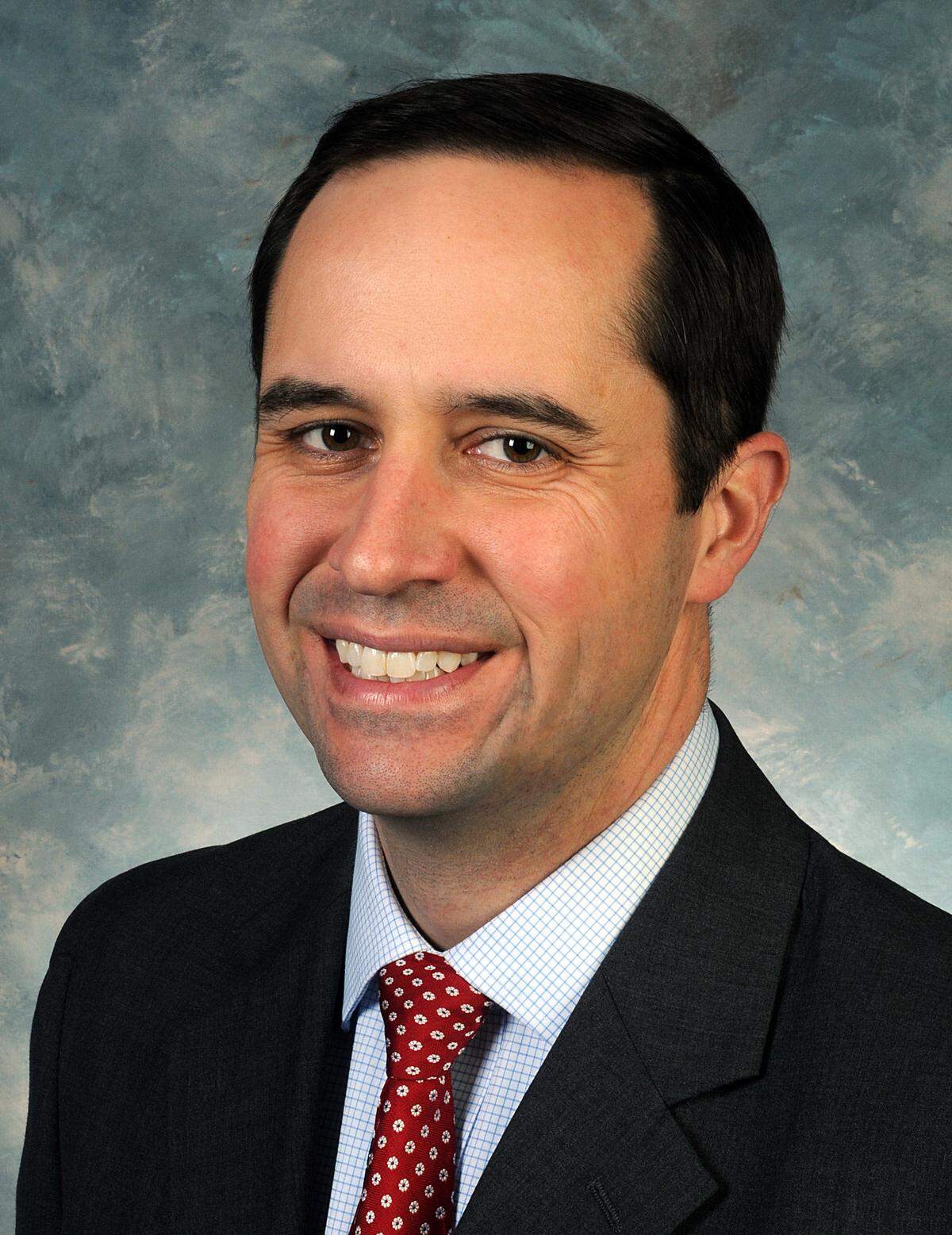
“I’m simply not for continuing to kick this can down the road,” Senate budget Chairman Chris McDaniel, R-Latonia, told reporters earlier this month. “The whole reason we got the pension system into the problem we have right now is people kicked the can down the road for decades and didn’t make decisions. The time to make those decisions is now.”
Gov. Matt Bevin sent a letter to lawmakers last Friday saying he would sign the Senate plan into law if the General Assembly approves it. That could put the House at a strategic disadvantage in negotiating for its version. Since the legislature waited until the end of its 30-day session to act, Bevin could veto whatever it does, and lawmakers would have no chance to override him.
“This legislation allows for these quasis to continue providing these services without drastic increases in pension costs,” Bevin wrote of the Senate plan. “It protects the benefits of all quasi retirees.”
Echoing McDaniel’s language, Bevin added, “While there is no perfect solution, I cannot in good conscience support or sign another temporary kick-of-the-can that underfunds this system and makes the ultimate solution even more expensive. Any additional unfunded liabilities will require significant new appropriations to (KRS) from the General Fund in the next biennium and the years ahead.”
But the Senate proposal has its own weaknesses. It would freeze the defined-pension benefits for thousands of employees at regional universities and quasi-public entities in the middle of their careers, shrinking their ultimate retirement payouts and likely prompting some of them to sue for violation of their inviolable contract rights as public workers.
An estimate by the Kentucky Center for Economic Policy in Berea said some employees could lose more than $100,000 in lifetime retirement income because of the switch.
Adding another wrinkle, by providing relief to the universities and outside entities, both plans would put more pressure on the state’s under-funded primary pension plan, which only has 13 percent of the assets it’s expected to need to meet future liabilities. The Senate plan would add $1.036 billion in unfunded liability, according to an actuarial analysis conducted for KRS this month. This means that contribution rates for the rest of state government will rise even higher, further eroding the funds available for education, social services and other state programs.
State government retirees, who already are nervous about the solvency of KRS, say they want the legislature to raise more money to pay off the pension shortfalls instead of putting more pressure on the system.
“Any suggestion that House Bill 358 represents ‘reform’ is nonsense,” said Jim Carroll, spokesman for Kentucky Government Retirees, a Facebook advocacy group that closely monitors the pension situation in Frankfort.
“Enactment of HB 358 may well pound the final nail in the coffin of a pension plan that is relied upon by tens of thousands of state employees. The path forward is clear — provide supplemental appropriations so that quasi-government agencies can continue to pay their fair share of pension costs and ensure the contract rights of their employees,” Carroll said.
This story was originally published March 26, 2019 at 2:14 PM.