
Why are Kentucky breast cancer survivors upset about this proposed tattoo ban?
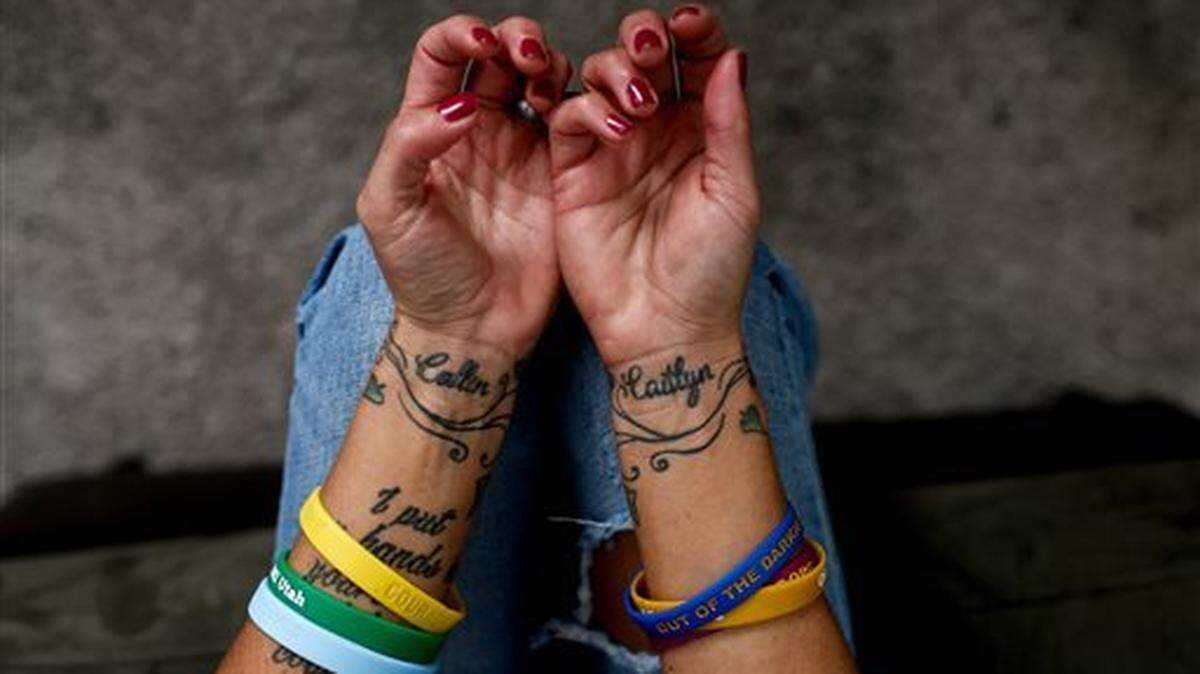
Kentucky health officials appear to be backing off a controversial proposal to ban tattoos on scarred skin, a regulation that upset many breast cancer survivors and others.
“The specific language in the proposed regulation had some unintended consequences and will be addressed,” Department of Public Health Commissioner Dr. Jeffery Howard said in a news release issued Friday. “The process requires the Cabinet [for Health and Family Services] to propose a regulation and then take comments from the public to make sure that the final product does what is best for everyone. We are glad to have the public’s input and we believe the final regulation will be improved by the comments we have received.”
Officials said they were trying to address the potential health issues of tattooing on healing tissue, or where there might be a skin infection.
The proposal is part of new tattoo regulations that officials say have not been updated for 15 years. The period for public comment ends May 31. A public hearing on Tuesday in Frankfort was packed with tattoo artists and breast cancer survivors who are concerned about the proposal because many women who get mastectomies and subsequent reconstruction use tattoos to cover their scars and create nipples. Others may get tattoos over other surgical scars or blemishes.
Breast cancer survivor Bettina Morrish of Lexington said she got tattoos to cover the scars from a double mastectomy and reconstruction. The artist would only do a tattoo on scars that were at least two years old, Morrish said.
“These tattoos were the beginning of my reclaiming my life from cancer and rebuilding it on my own terms,” she said in her comments to the department. “This proposed regulation change is an affront to the tattoo professionals who train extensively to do breast (and other) tattoos. And it is the worst kind of patriarchal overreach to tell any Kentuckian that they do not have the right to repurpose their scars and make something beautiful. This change, without careful revision and care given to WHY people cover their scars, will only cause more scarring. Surely this is not its intent.”
Devyn Farley is a tattoo artist at the Lexington location of Tattoo Charlie’s. She said artists always preview a potential scar coverup to make sure the skin is fully healed.
“It’s a really touching issue for a lot of people who have scars that remind them of hard times, particularly women who need their aureoles replaced with tattooing, or people who have scars from self harm that remind them of a bad time,” she said. “We get a lot of gratification over helping people out.”
Public comments can be sent through Friday by mail: Chase Coffey, Executive Administrative Assistant, Office of Legislative and Regulatory Affairs, 275 East Main Street 5 W-A, Frankfort, KY 40621; Phone: 502-564-6746; Fax: 502-564-7091; and email: CHFSregs@ky.gov.
This story was originally published May 29, 2019 at 11:34 AM.