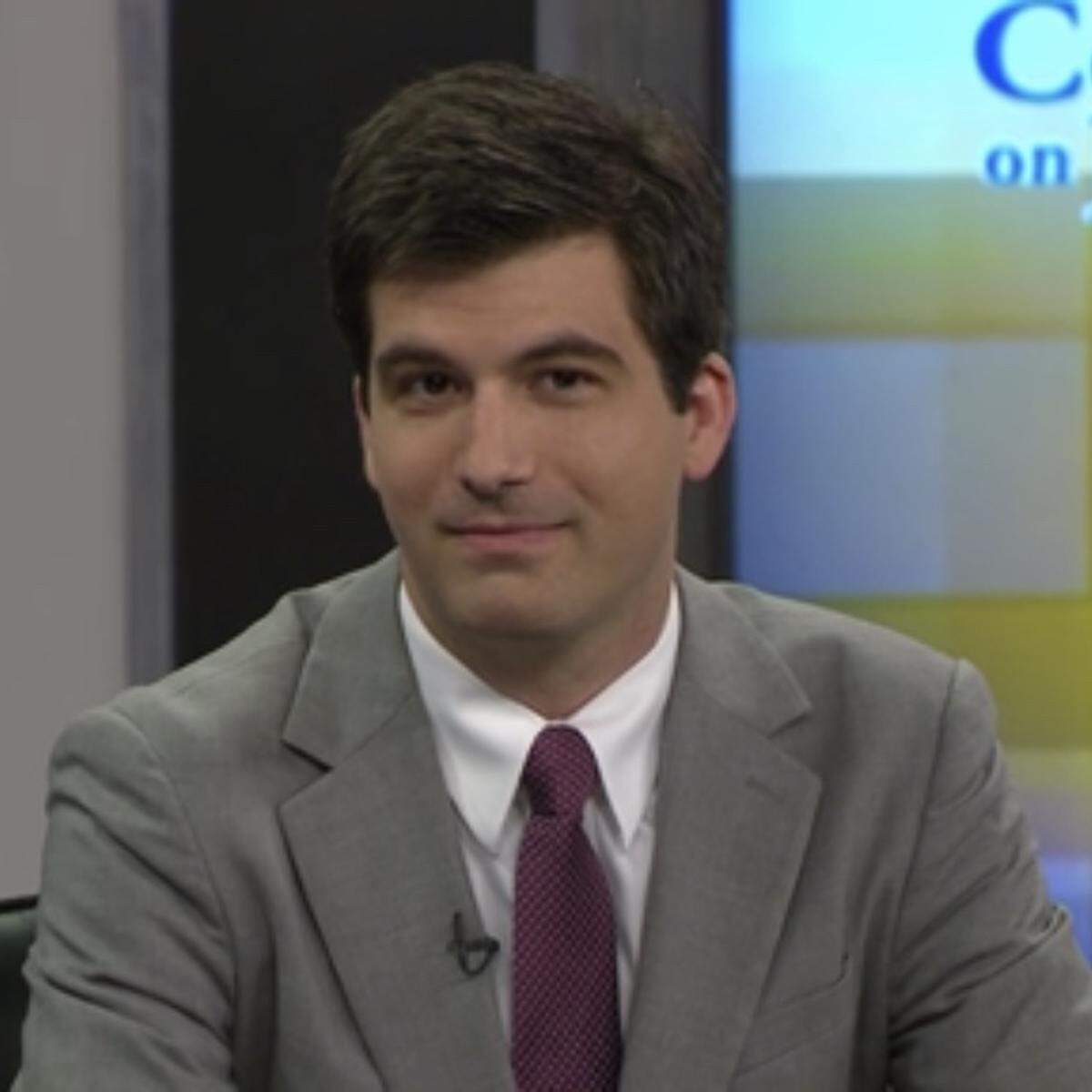
Rocky Adkins was the last old-school KY House Democratic leader. What happens now?
The year Rocky Adkins was first elected to the House of Representatives, Cher won an Oscar for Moonstruck and Golden Girls was one of the most watched television shows in the country. The year Adkins was elected to leadership in the House of Representatives, In Da Club by 50 Cent was the most popular song in the country.
Now he’s leaving.
The last remaining member of the Democratic leadership team that clung onto power in the House of Representatives until 2016 has joined the administration of Gov.-elect Andy Beshear as a senior adviser.
“This is the first time in the dozen years of service I’ve had where the old guard leadership has moved on,” said Rep. Kelly Flood, D-Lexington. “It definitely opens the conversation about where we’re going moving forward.”
As House Democrats prepare to elect a new leader, many members see it as an opportunity for the caucus to embrace a new generation of Democratic politics. The only question is what that will look like.
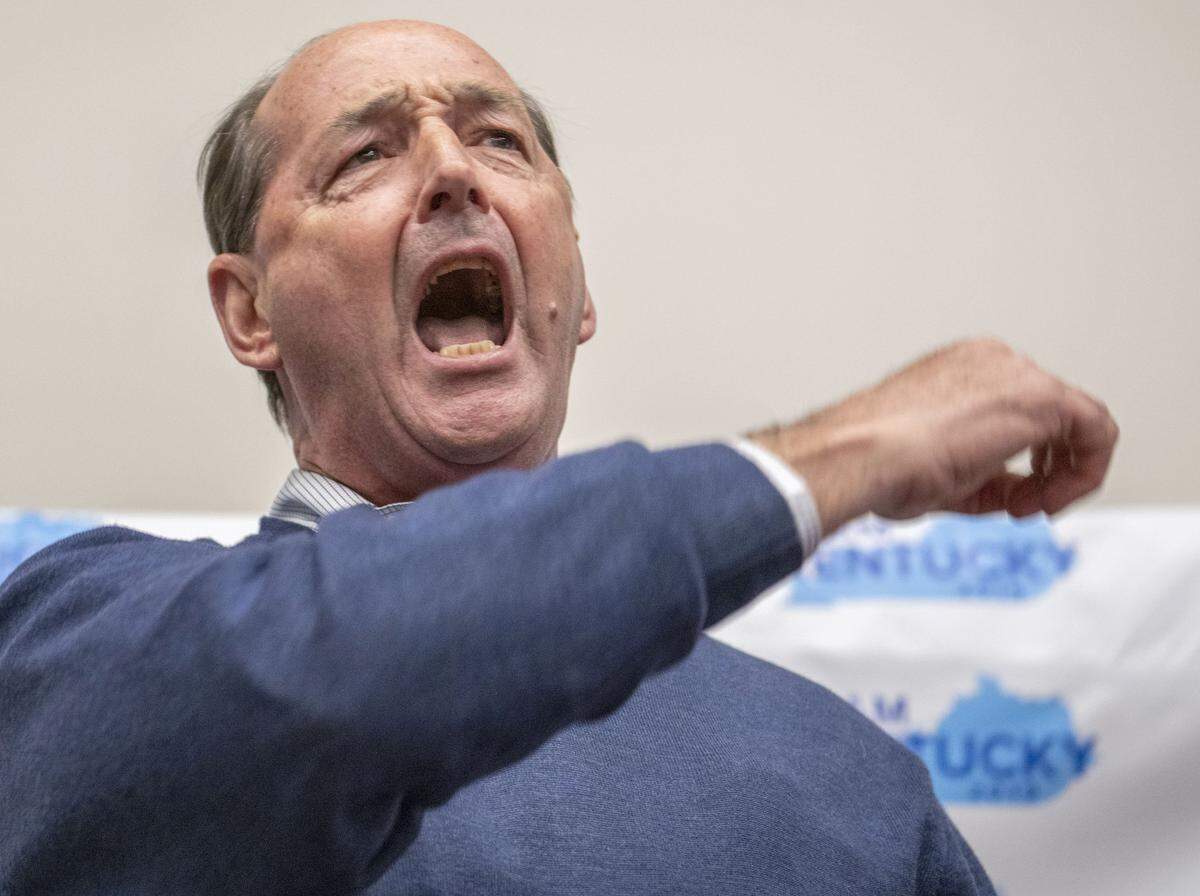
The Kentucky Democratic Party is in the midst of a struggle over the future of their party — do they openly embrace the liberal policies Republicans already tie them to regardless of their stances or do they try to mimic Beshear’s successful path of connecting urban and rural voters by largely ignoring national politics?
It’s an issue that’s even more urgent for the few remaining Democrats who still represent rural parts of the state, particularly in Eastern Kentucky. Adkins is a moderate Democrat and as minority leader he often provided cover for moderates on votes that could be controversial in rural parts of the state.
“The urban-rural divide isn’t healthy for either party or for the state,” said Rep. Angie Hatton, D-Whitesburg. “And if we have leadership that’s not taking into account both urban and rural issues, then we’re going to be divided.”
Thirty-nine of the 100 state representatives in Frankfort are Democrats. Fifteen of them represent a part of Jefferson County and another seven represent part of Fayette County, the two largest counties in Kentucky and home to the commonwealth’s largest Democratic strongholds.
The two remaining members of leadership, Minority Whip Joni Jenkins and Minority Caucus Chairman Derrick Graham, are from Louisville and Frankfort, respectively.
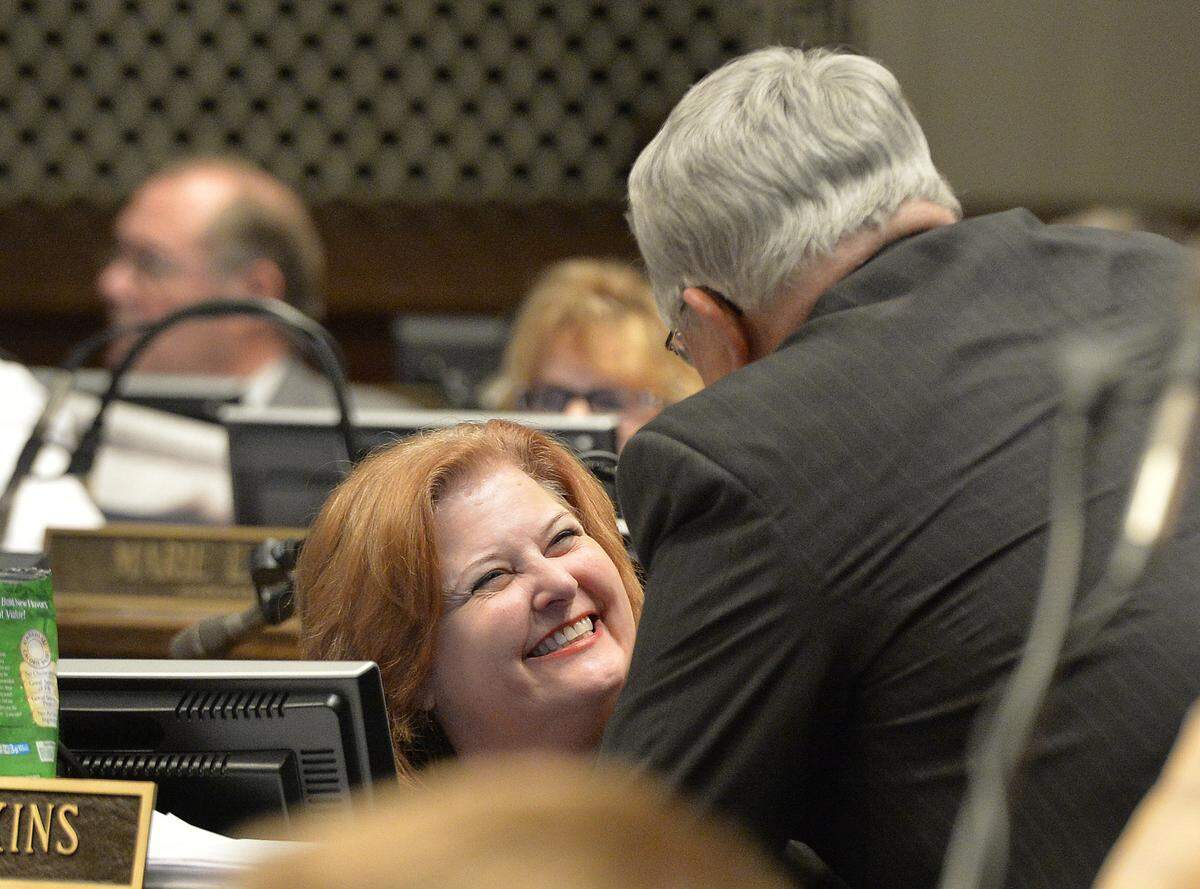
Rural lawmakers, especially those in Eastern Kentucky, are adamant they still need to be part of the leadership discussion even as the party grows more focused on urban areas and suburbs.
Hatton, who is considering running for a leadership position, said she wants to make sure someone from Eastern or rural Kentucky is represented in leadership because she believes the Democratic Party needs to be a “big tent” party.
“We can’t leave out the coal miner, the farmer, the stay-at-home moms,” Hatton said. “We’ve always been the party of the little guy and now they’re voting for the party that cuts taxes on the rich.”
Rep. Rob Wiederstein, D-Henderson, said he doesn’t see much of a rural and urban divide between members of the caucus.
“I don’t see the divide in any sort of stark way in our deliberations,” Wiederstein said. “Having said that, we increasingly represent a more urban population and more support among women and minorities and I think you’re seeing a caucus that is trying to adapt and look more like the people we represent.”
Neither Jenkins nor Graham returned phone calls asking for comment, but both could potentially run for the top spot in the caucus. The date for the leadership election has not yet been set.
Rep. Mary Lou Marzian, D-Louisville, dismissed the notion that new leadership could mean a new direction for the party. She said the caucus already reinvented itself after the 2018 elections, which brought several new women legislators to the caucus.
“It’s not a good old boys club anymore, everybody’s welcome,” Marzian said. “And we want people to run to take back the House.”
Marzian said she’s enthusiastically supporting Jenkins for minority leader.
“I think this gives us a real opportunity to move a woman into a major leadership role,” Marzian said.
Hovering in the background, though, is the presence of campaign consultant Jonathan Hurst. Hurst was the key witness in the federal government’s case against former Kentucky Democratic Party chairman Jerry Lundergan, who was convicted of funneling illegal corporate contributions to Secretary of State Alison Lundergan Grimes’ 2014 U.S. Senate campaign earlier this year.
The government used evidence in the case that allegedly showed Hurst was aware of Lundergan making similar contributions in Grimes’ 2011 secretary of state race. Hurst was granted immunity in the federal case for appearing as a witness, but Beshear, as attorney general, appointed a special prosecutor to investigate whether any of the campaign contributions in the state races were illegal.
Jenkins is close with Hurst and has long used him as a campaign consultant. The Herald-Leader found that Hurst is the most used campaign consultant by the House Democratic Caucus and was paid by at least seven current lawmakers during the 2018 campaign. Hurst was involved in meetings with the Kentucky Democratic Party and House Minority Caucus as recently as April.
“Nobody cares about campaign consultants,” said Marzian, who also uses Hurst as a consultant Marzian said she doesn’t believe Hurst did anything wrong and that he is an “excellent” campaign consultant.
Rep. Chris Harris, D-Pikeville, said he does not foresee Hurst becoming political director of the House Democratic Caucus, which had previously been discussed.
Hurst’s potential role in the caucus’ political efforts in 2020 could be key in the wake of Beshear’s successful bid as governor. If House Democrats hope to eliminate the Republicans super majority, or even flip the House, it will mean winning areas that Beshear won in 2019 but President Donald Trump won in 2016.
Hatton said she thinks that path hinges on focusing on the traditional economic message of the Democratic Party rather than social issues that have dominated the national political conversation. When asked if that’s a message that can truly succeed, Hatton laughed.
“Let’s see if I get reelected,” she said.