Medical marijuana bill clears KY House panel, gains momentum heading into House vote
A House panel overwhelmingly approved a bill that would legalize medicinal marijuana in Kentucky, boosting a proposal that has long struggled to gain traction in the legislature despite increasing public support.
House Bill 136, which would allow doctors to prescribe marijuana to patients suffering from conditions that would be determined by a panel of eight doctors, four public advocates and a pharmacist, passed the House Judiciary Committee on a 17-1 vote, resulting in a cheer from a committee room packed with medicinal marijuana advocates.
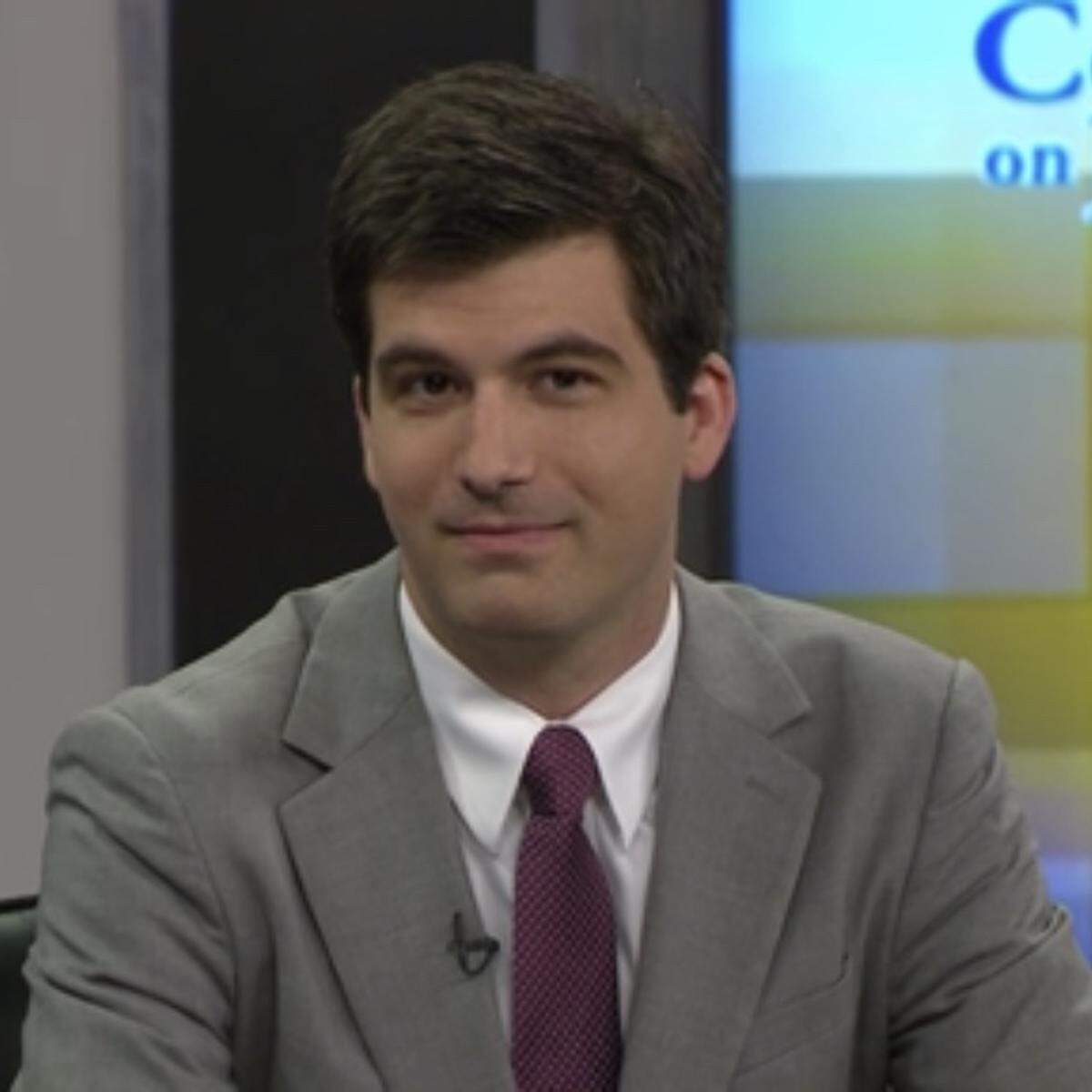
Rep. Jason Nemes, R-Louisville, the bill’s sponsor, said he expects it to pass the House with more than 70 votes.
“We won the battle in the House committee,” Nemes said. “It’s almost, pretty much over in the House of Representatives. Now we’ve got to let our senators understand where you are and educate them on the bill.”
There is less enthusiasm for the bill in the Senate, where President Robert Stivers, R-Manchester, said Tuesday he hopes the federal government will study the issue.
“It’s a balancing test of do the goods outweigh the bads,” Stivers said. “And we just haven’t had anything done on that.”
Thirty-three states have legalized medicinal marijuana. In Kentucky, advocates have pleaded with lawmakers for years to legalize a drug they say helps people suffering from a number of illnesses, including chronic pain, multiple sclerosis and patients undergoing chemotherapy.
The bill has gained momentum in the House of Representatives as marijuana emerges as an alternative to addictive opioid pain pills and amid growing public support. A recent poll by the Foundation for a Healthy Kentucky found that 90 percent of Kentuckians support medicinal marijuana.
Eric Crawford, who has been in a wheelchair since being injured in a car wreck in 1994, told lawmakers he represented the sick people of Kentucky who are criminals under state law for using marijuana as medicine.
“If House Bill 136, medical cannabis, were to pass in the Commonwealth of Kentucky, I would not be a criminal,” Crawford said. “I would not have to live in fear. I would not have to lay awake at night worrying about law enforcement coming to my home. I would not have to stress about going to jail, or losing my home, work or freedom.”
Opponents of the bill stressed caution, saying more research is needed on the health benefits of the drug. They noted it has not undergone the traditional approval process required by the Food and Drug Administration for other prescription drugs.
Marijuana is currently classified as a schedule I drug by the federal government, alongside heroin and LSD, which restricts research using the drug.
“We cannot use anecdotal based assumptions,” said Kent Ostrander of The Family Foundation of Kentucky, a conservative advocacy group. “Anecdotal assumptions can lead you to the truth and they can have some truth to them, but always evidence-based science should be used when it comes to medication.”
Several people who testified in front of the committee noted how the bill would create one of the more restrictive medicinal marijuana laws in the country. The bill does not legalize smoking marijuana, even for medicinal purposes, and forbids colorful packaging and colorful gummies. Whether chocolate or cookies containing THC, the high-producing chemical in marijuana, would be allowed is a decision that would fall to the Cabinet of Health and Family Services.
Under federal law, pharmacies are not allowed to fill prescriptions for medicinal marijuana, so the bill would require the Cabinet for Health and Family Services to create regulations allowing a minimum of 25 dispensaries throughout the state.
Despite the restrictions, Rep. Joesph Fischer, R-Fort Thomas, expressed concern about people driving under the influence of marijuana, as there has been no road-side test developed to test whether someone is too high to drive. Fischer passed instead of voting yes or no on the bill.
The only no vote came from Rep. Kim Moser, R-Taylor Mill, who said she wanted to see more research into medicinal marijuana before it becomes legalized in Kentucky.
Dr. Jeffery Block, an anesthesiologist with the University of Miami, testified that there is either substantial or conclusive evidence that THC is an effective treatment for intolerable nausea or vomiting, intractable epilepsy, intractable chronic pain and intolerable muscle spasm, particularly from multiple sclerosis.
In his appeal for his colleagues to vote for the bill, Nemes said voting to approve the drug is “right” and “good.” He went through two stories of people who thanked him for pushing for medicinal marijuana, saying marijuana helped them or their loved ones who were suffering. He asked lawmakers what they would do if they thought marijuana might help their loved ones, but it was still illegal.
“I would break the law in a New York minute,” Nemes said. “I have never smoked marijuana in my life, I have never used an illegal drug. But I would break the law in a second and I would submit that every single person up there would do the same.”
This story was originally published February 12, 2020 at 2:37 PM.