Kentucky falls short of record turnout in primary defined by COVID-19 pandemic
Almost 29 percent of Kentuckians voted in last Tuesday’s primary election, marking the highest turnout in a Kentucky primary since 2008.
The high turnout comes in the middle of a global pandemic, when elections officials across the state scrambled to ensure Kentuckians could vote without putting themselves or poll workers at risk of catching the coronavirus. The result was a combination of mail-in absentee ballots, early in-person voting and in-person Election Day voting.
The Secretary of State’s office reported 1,003,678 million votes were cast, or 28.87 percent or registered voters. The highest turnout was 32.2 percent in 2008, when former President Barack Obama and former Secretary of State Hillary Clinton were in a tight battle for the Democratic nomination for president.
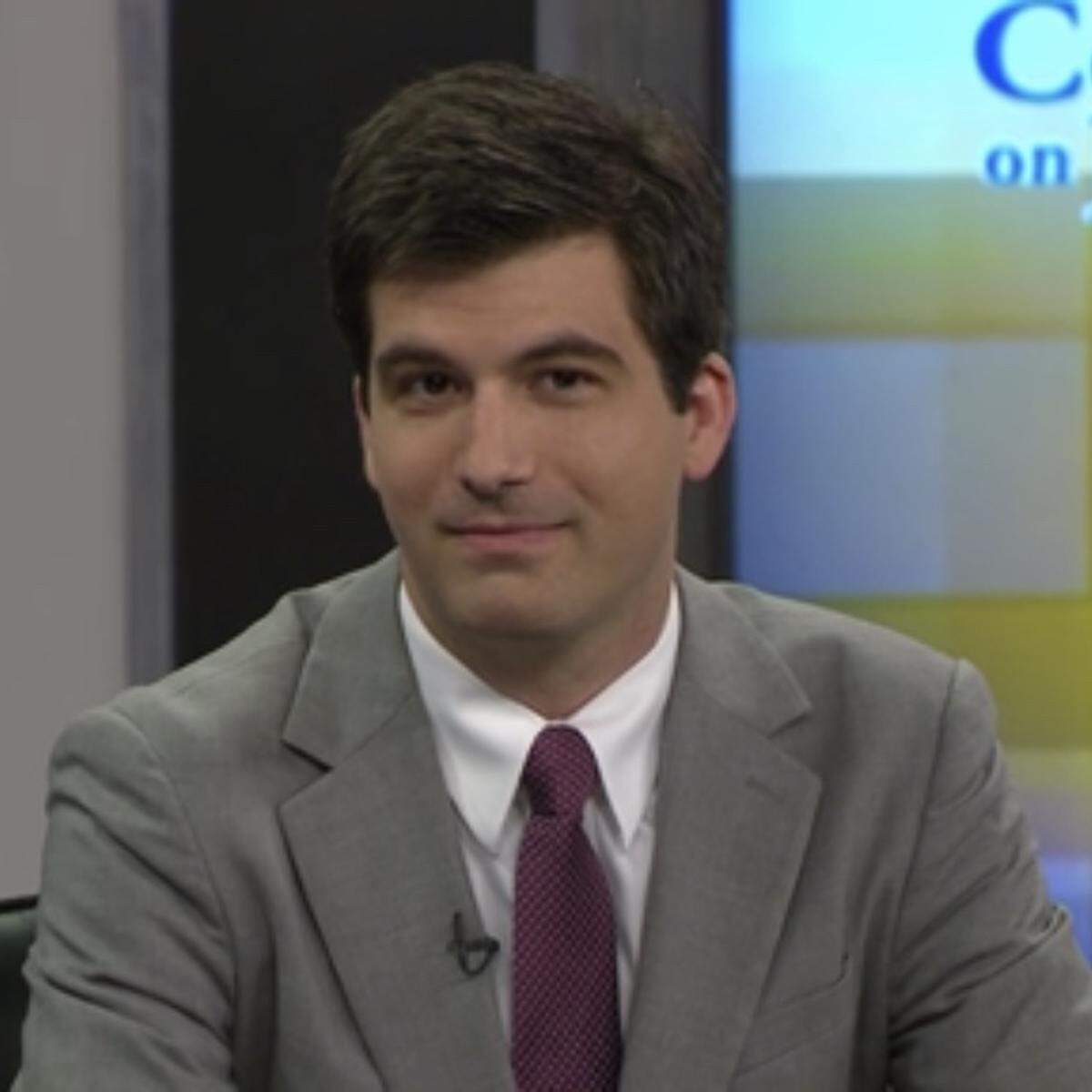
“We thought we might break the record, at least the record for modern times,” said Secretary of State Michael Adams. “I don’t think we’re going to get quite there.”
Franklin County reported the highest turnout in the state at 46.35 percent. There also was high turnout in Jefferson and Fayette counties, where 33.53 percent and 32.95 percent voted, respectively. In Oldham County, where there was a special election for State Senate, 38.75 percent of registered voters cast a ballot.
“I never envisioned supervising an election like this,” Adams said. “I’ll confess, I was pretty nervous about it going well and it went well beyond my wildest dreams.”
The success of Tuesday’s elections — officials have called it a model for the country — has resulted in some calling for no-excuse absentee ballots to become permanent. Gov. Andy Beshear, a Democrat, has said he expects to see mail-in voting in November.
Adams, for his part, has been reluctant to make expanded absentee voting permanent. When asked why, he said “usually when you win an election, you enact your program, not your opponent’s.”
He said he wants to review the election and what worked well and didn’t work well. He said his chief concern about mail-in voting was cost, especially when county clerks have tight election budgets.
Still, Adams said he would recommend expanded absentee voting in November if he felt it was needed.
“It’s just too soon to say what November looks like,” Adams said. “November is still four months away. If you had asked me four months ago what’s the June primary look like, I’d say there’s not a June primary. It’s in May.”
Beshear said he believes federal CARES Act money can be used to fund mail-in voting in November.
This story was originally published June 30, 2020 at 5:28 PM.