Lexington council moves police disciplinary procedures to committee after confusion
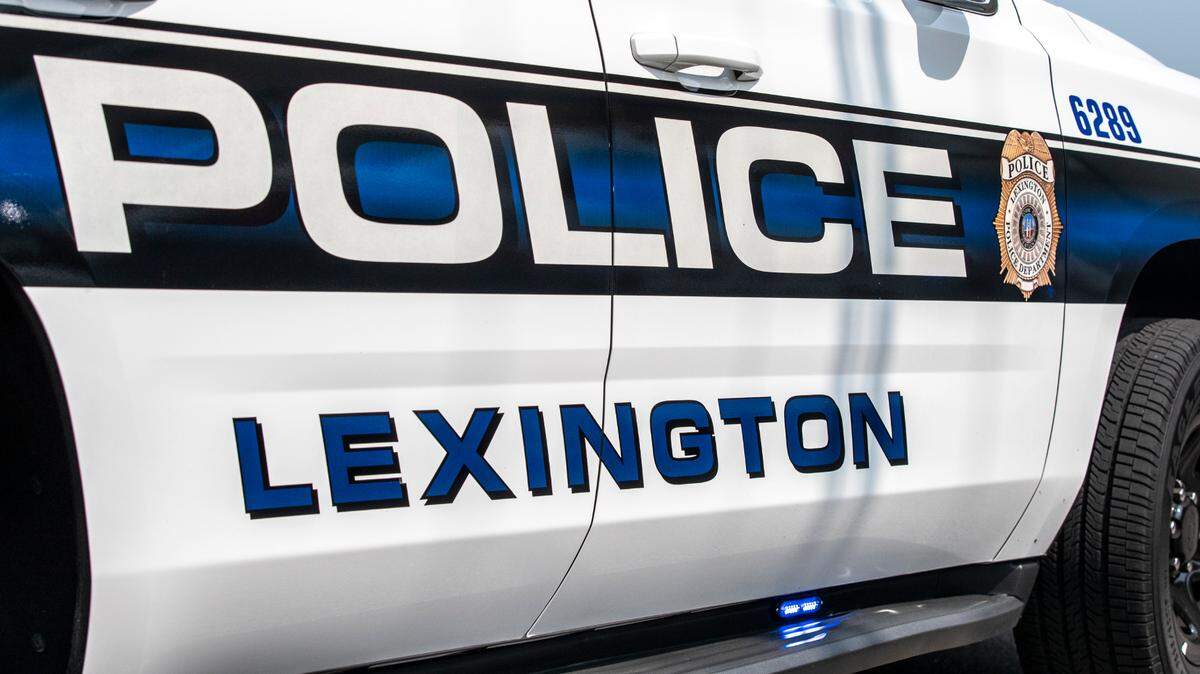
A proposal intended to bring more clarity to how the Lexington council handles police disciplinary actions was sent to a committee after some council members said it needed more work.
Vice Mayor Steve Kay had proposed some tweaks to the council procedures regarding police disciplinary actions to provide more transparency and clarity to the public. It was also intended to provide more information to the council to determine if the punishment was sufficient.
But Kay said some people had misconstrued his intent and thought the changes were trying to restrict information on police disciplinary actions. The council considered Kay’s proposal at its Thursday night meeting.
Under the current rules, the Lexington-Fayette Urban County Council must approve disciplinary actions against police officers, but the information provided to the council before the vote is often limited. The council can read what is called an agreement of conformity that has some information about what the officer did wrong. But that information cannot be released or read during the council meetings because of state law — often called the Officers’ Bill of Rights — that prohibits anyone from speaking about an officer’s pending disciplinary action until after it has been approved.
In most disciplinary cases, the police chief recommends the punishment based on what the officer did wrong. That punishment can vary from a written reprimand to a several month suspension.
Moreover, if the council turns down the disciplinary recommendation, it would go to a hearing. The council would act as the jury and cannot receive too much information from one side, or it could prejudice the council and the hearing’s outcome.
Kay had proposed making some tweaks that included giving the council as much information as possible in the agreement of conformity — what the officer did wrong —to make informed decisions on whether the punishment was appropriate. The changes would have stopped council members from seeking additional information about what the police officer did wrong before the council meeting.
Councilwoman Amanda Bledsoe said that was too restrictive, and council members should be able to ask for additional information from the police before meetings.
Kay said that prohibition makes sure all council members have the same information prior to the vote.
“It’s improper for council members to have additional information that is not going to be made public ever,” Kay said Thursday.
The council ultimately voted to remove that restriction on council members getting further information. Some council members said that prohibition had created confusion. People thought it meant council members couldn’t investigate further.
The council sent the issue to its Planning and Public Safety Committee, which will likely consider it at its Nov. 17 meeting.
Councilwoman Jennifer Mossotti said Thursday night that action should wait for recommendations from Mayor Linda Gorton’s Commission on Racial Equality and Justice that were released Friday.
Councilwoman Susan Lamb said the issue needed more vetting and agreed it should be sent to the committee for more work.
“I think this potentially could have unintended consequences,” Lamb said.
This story was originally published October 23, 2020 at 11:28 AM.