When will we know the winner? What to expect from Election Day in Kentucky.
It’s almost done. By Tuesday all of the ballots in a contentious 2020 election cycle that began more than a year ago will have been cast. The waiting period will begin.
While it may take several days to get results in from around the country, in Kentucky the wait shouldn’t be too long.
Secretary of State Michael Adams and Gov. Andy Beshear made adjustments to Kentucky’s emergency election regulations that mean we won’t have to wait a full week before we start getting accurate results, unlike in the primary. Under the new rules, counties will have to report preliminary results that they tabulated Tuesday night.
Those numbers will include the absentee ballots clerks have received, early in-person voting totals and Election Day results.
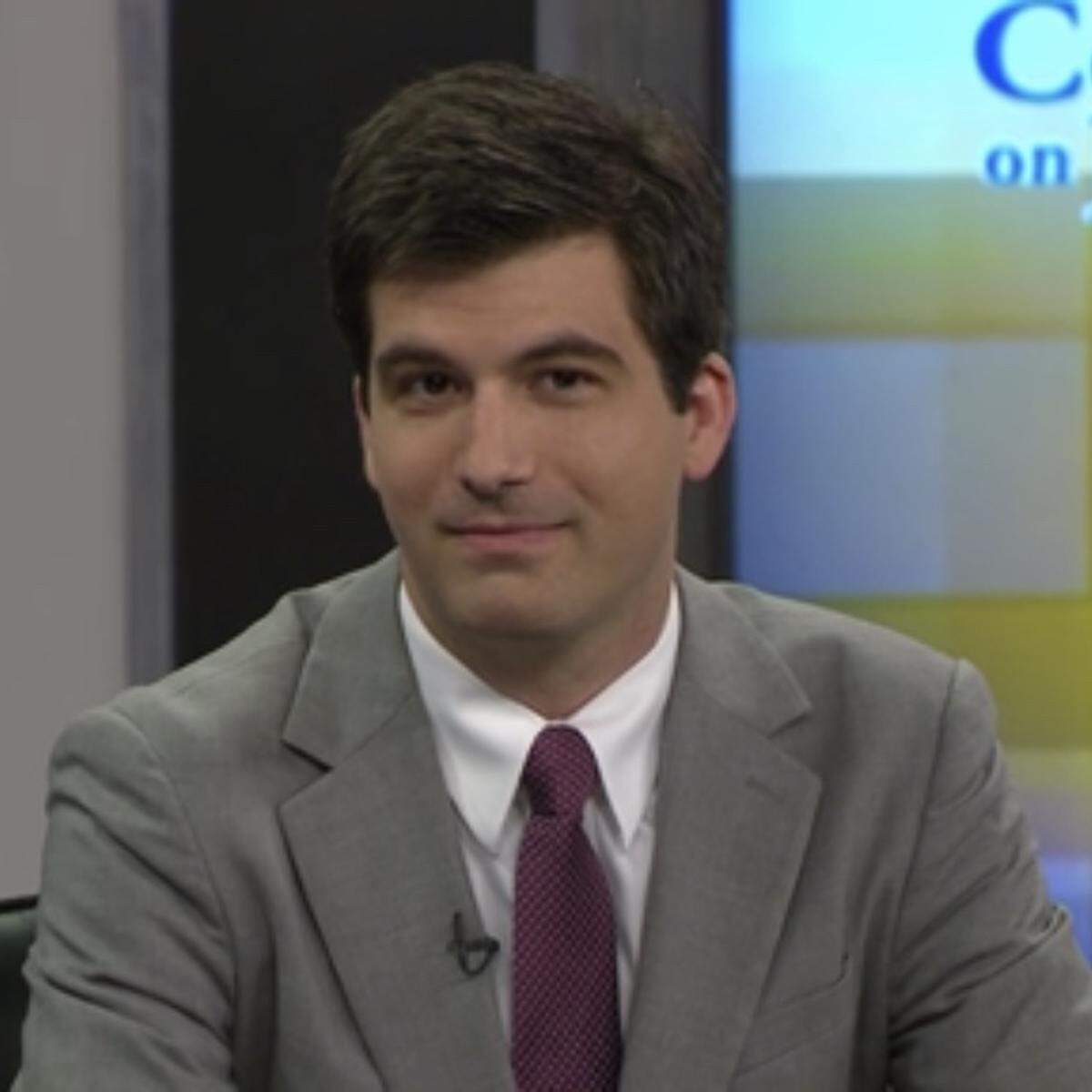
“I think it means we’ll have a pretty good sense of the winners on election night,” said Josh Douglas, an election law expert at the University of Kentucky.
The exception is for close races. While 87.8 percent of the absentee ballots that were sent out statewide had been returned by Sunday morning, there still may be some that come in closer to Election Day. That could delay clear results in tight races — where the winner could come down to a few votes.
Under the regulations, clerks will issue another update of vote totals on Friday, November 6, the date when the last absentee ballots should come in and then unofficial results on Tuesday, November 10. Absentee ballots need to be postmarked by Election Day.
County clerks have been able to process absentee ballots since September. That means they’ve been able to open the ballots, check signatures, unfold them and get them ready to run through the vote counting machines.
Along with speeding up the count on Election Day, processing ballots early has allowed clerks to “cure” any mistakes in absentee ballots. In the primary, around 7 percent of the absentee ballots in Fayette County were thrown out because voters didn’t fill out the ballot properly.
This time around, voters just need “substantial compliance” with the requirements, which means if they only signed one envelope or only sealed one envelope, their votes will still count. Clerks have to contact voters by Monday, November 9, if their ballots are originally rejected.
Clerks in other states have not been able to process ballots like Kentucky. In three swing states — Pennsylvania, Wisconsin and Michigan — election officials were not able to start processing until Monday (Michigan) or Tuesday (Wisconsin and Pennsylvania). That will likely make it take longer to get results from those states.
It will likely be difficult to determine the winner of the presidential election on election night, which is not unusual.
The process of declaring a winner is usually done by news outlets, using election night returns from states. There have been several presidential races too close to call by midnight on election night, including the 2016 Presidential Race, where Trump won Pennsylvania, Michigan and Wisconsin by fewer than 80,000 votes combined.
“There’s nothing wrong with not knowing the winner in Pennsylvania on election night or even the next day,” Douglas said.
Long lines on Election Day?
It is unclear exactly what turnout will look like on Election Day.
An early October Gallup poll found Republicans are more likely to vote on Election Day, while Democrats are more likely to vote early, especially by mail.
“Today and tomorrow are the most important days for us,” Sen. Mitch McConnell said in Versailles Monday. “Because all indications are the people who are going to vote for Donald Trump and Mitch McConnell will turnout in large numbers today and tomorrow.”
While Democrats are outpacing Republicans in turnout, it’s only slightly.
As of Sunday morning, 44.28 percent of registered Democrats had turn out to vote and 42.96 percent of registered Republicans turned out, according to the State Board of Elections. In 2016, turnout was 62.8 percent among registered Republicans and 58.5 percent among registered Democrats.
Statewide, turnout hit 42.3 percent by Sunday morning, according to the State Board of Elections and by the time polls closed Monday, 55.2 percent of voters in Fayette County had voted, less than 900 votes shy of how many votes were cast in Fayette County in 2016, according to Fayette County Clerk Don Blevins.
Blevins has warned of potential long lines on Tuesday, as there are only eight polling locations in Fayette County. During the early voting period Fayette County has averaged around 2,700 voters a day and there have been few problems with long lines.
Polls are open between 6 a.m. and 6 p.m on Election Day.
Democratic nominee Amy McGrath said she’s prepared to wait for results on Tuesday.
“We dealt with this in the primary,” McGrath said. “Anybody who’s been in the military knows you hurry up and wait. And I just feel like they’ll sort them out county by county and we’ll get the results when we get them.”
Lawsuits
In the Presidential election, both Democrats and Republicans are gearing up for lengthy legal battles over results. Already, the campaigns have been filing lawsuits in battleground states like Pennsylvania and Michigan over the process of counting absentee ballots, which Trump has repeatedly attempted to undermine.
Douglas said in Kentucky, lawsuits will likely only happen if the margin of victory is small enough that it can be challenged.
“As we saw from 2019, even a 5,000 vote margin in a statewide race isn’t close enough to bring any sort of viable lawsuit, or at least wasn’t in that election,” Douglas said, referring to last year’s gubernatorial election where former Gov. Matt Bevin did not concede until after a recanvass of votes.
This story was originally published November 2, 2020 at 3:28 PM.