The legislature wants to curb Beshear’s executive powers. What does that look like?
After adding to their existing supermajorities in the Kentucky General Assembly in November, Republicans in Frankfort laid out a clear mission for the 2021 legislative session: scale back the executive powers of the governor of Kentucky.
“We’re going to refine,” said Senate President Robert Stivers, R-Manchester, days after the election. “There’s no doubt that chief executives of any state or at the federal level need types of powers in an emergency. We all agree with that. What’s the extent and duration? How do you apply [it]?”
Over the course of the COVID-19 pandemic, Republican lawmakers have chafed at executive orders passed by Gov. Andy Beshear aimed at stemming the spread of the coronavirus. Some have attended rallies against the orders, others have spoken out in favor of lawsuits challenging them, nearly all have said there hasn’t been enough communication between the governor’s office and legislators.
In particular, they’ve decried now-expired orders that temporarily banned all gatherings, including church services, and stopped private schools from holding in-person classes.
There has not been a Republican-proposed plan to help stem the spread of the virus — opinions in the caucus range from quietly following the CDC guidelines to refusing to wear masks or get the vaccine — but over the past few months, there has been a clear desire for legislators to have a say in how the state responds to the pandemic.
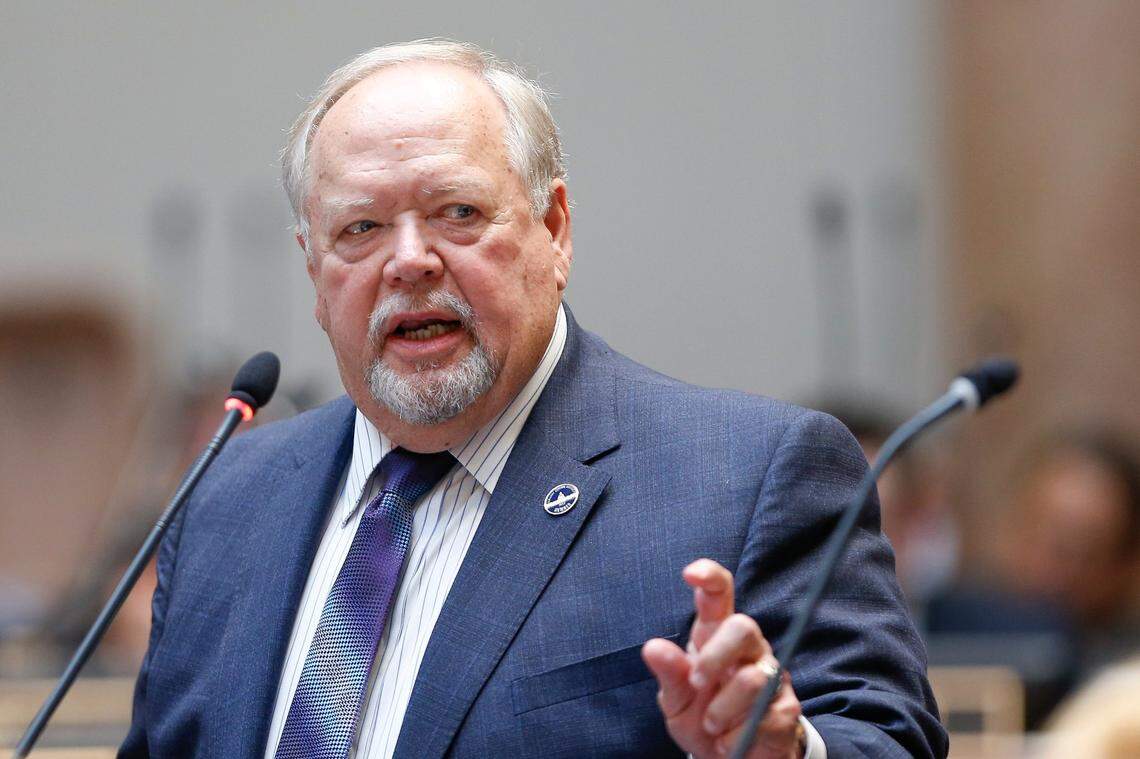
“We are talking about things that affect people’s lives,” said Rep. Jim Gooch, R-Providence. “There is no way that one person ought to have that type of authority.”
Already, lawmakers have pre-filed six bills that would limit the governor’s executive powers — five in the House of Representatives and one in the Senate — all of which would call the General Assembly back into session if the governor issues an emergency order that lasts more than a month.
“The issue of the session will be how do we reconcile all of the differences in approach,” said Sen. Chris McDaniel, R-Taylor Mill.
Beshear has indicated he would like no approach at all. He has criticized the effort to restrict his ability to issue executive orders, painting it as a potentially “catastrophic” attempt to limit his ability to deal with COVID-19, and one that would hamstring future governors if another unforeseen emergency arrives.
“I hope when they show up, making a lot of noise, let’s take a breath, let me get on through this and afterwards, have at it,” Beshear told the Herald-Leader when asked about the legislature’s effort to limit executive power. “Then we can go to court or anything else.”
The bills likely won’t get support from Democrats in the legislature — when called for comment, House Minority Leader Joni Jenkins, D-Shively, emailed a response via her spokesman saying Democrats “will not support changes that needlessly add bureaucratic red tape or that undermine well-established public health measures designed to save lives.”
It won’t matter. Republicans have a veto-proof majority in both chambers of the General Assembly.
Pre-filed legislation
All of the pre-filed legislation has the same goal — limit the length of emergency orders, only allowing them to be extended by the General Assembly.
In the House, the proposals range from limiting executive orders to between 14 and 30 days, unless extended by a special session of the General Assembly. Most include specific language to prevent the governor from extending the same order repeatedly.
Rep. Lynn Bechler, R-Marion, sponsored a bill that would limit the executive orders of both the governor and local executives to 28 days unless otherwise approved, a duration he chose because he said it could still provide executives with some flexibility.
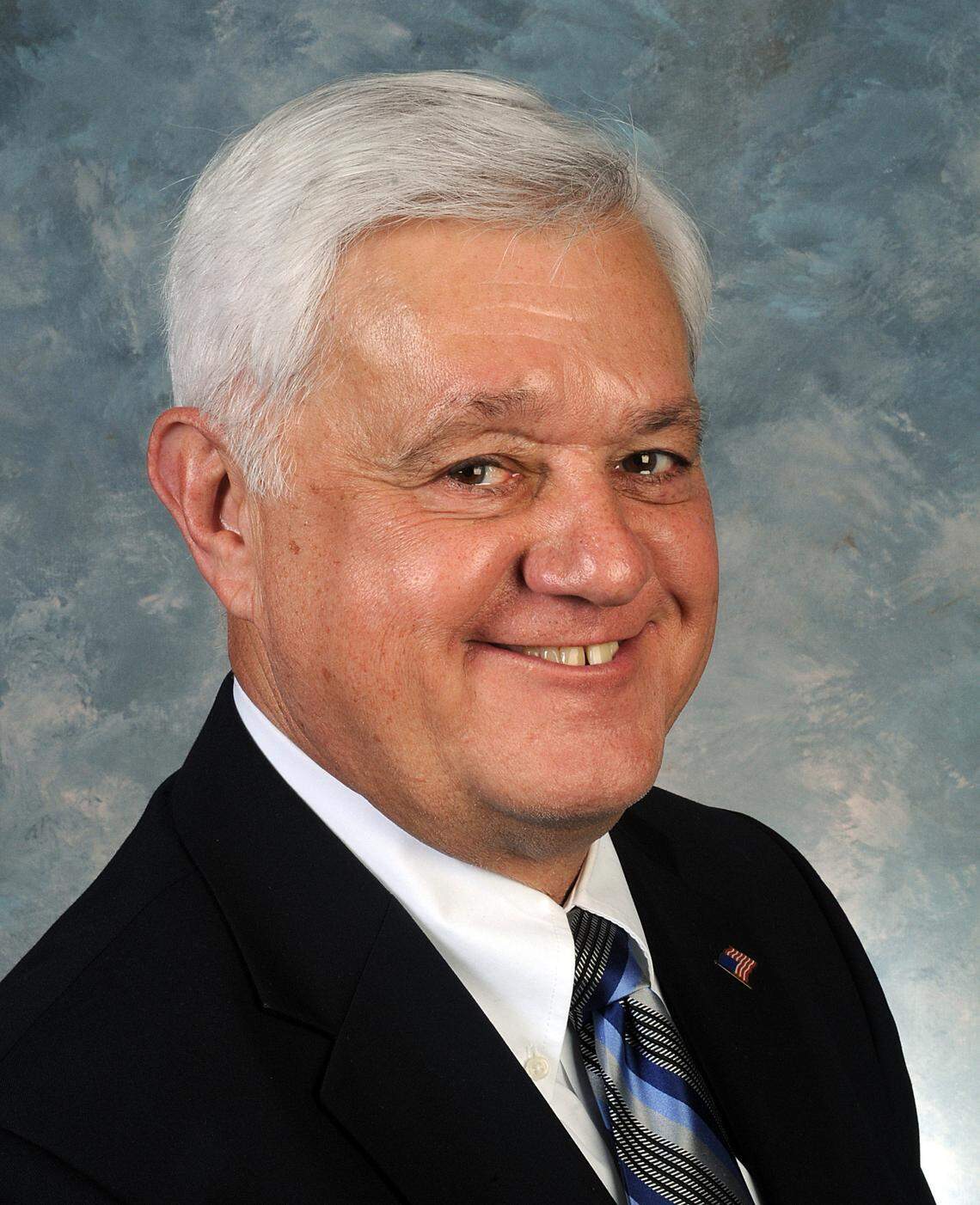
“I thought that might give the governor, or mayor or whatever, time to work it out before were called back into session,” Bechler said. “The object is to make sure no one individual can dictate something and bypass the whole legislative system.”
One bill, pre-filed by Rep. Steve Sheldon, R-Bowling Green, would require a simultaneous special session if the governor declared a state of emergency and the orders would only last for 15 days unless approved by the General Assembly.
Kentucky is among a minority of states where only the governor can call the General Assembly into a special session. In 36 states, the legislature can call itself into special session (a concept House Speaker David Osborne, R-Prospect, has said he’s exploring) and five of the remaining 14 states have year-round legislative bodies or must be called into session during an emergency, according to the National Conference of State Legislatures.
Only one of the pre-filed bills goes much farther than granting the General Assembly control over approving longstanding emergency orders — a bill pre-filed by Rep. Savannah Maddox, R-Dry Ridge, that would attempt to provide a higher threshold for when the governor can issue an order.
Under Maddox’ bill, which has seven co-sponsors in the House, the governor’s order would have to be “narrowly tailored,” “no broader or burdensome than necessary,” “not be underinclusive,” must be issued in response to “an actual emergency,” must give “due regard” to its impact on citizens and last “no longer than necessary.”
The bill also limits executive orders to 14 days and places the “burden of proof” on the government to show that its order meets all of the criteria in the bill.
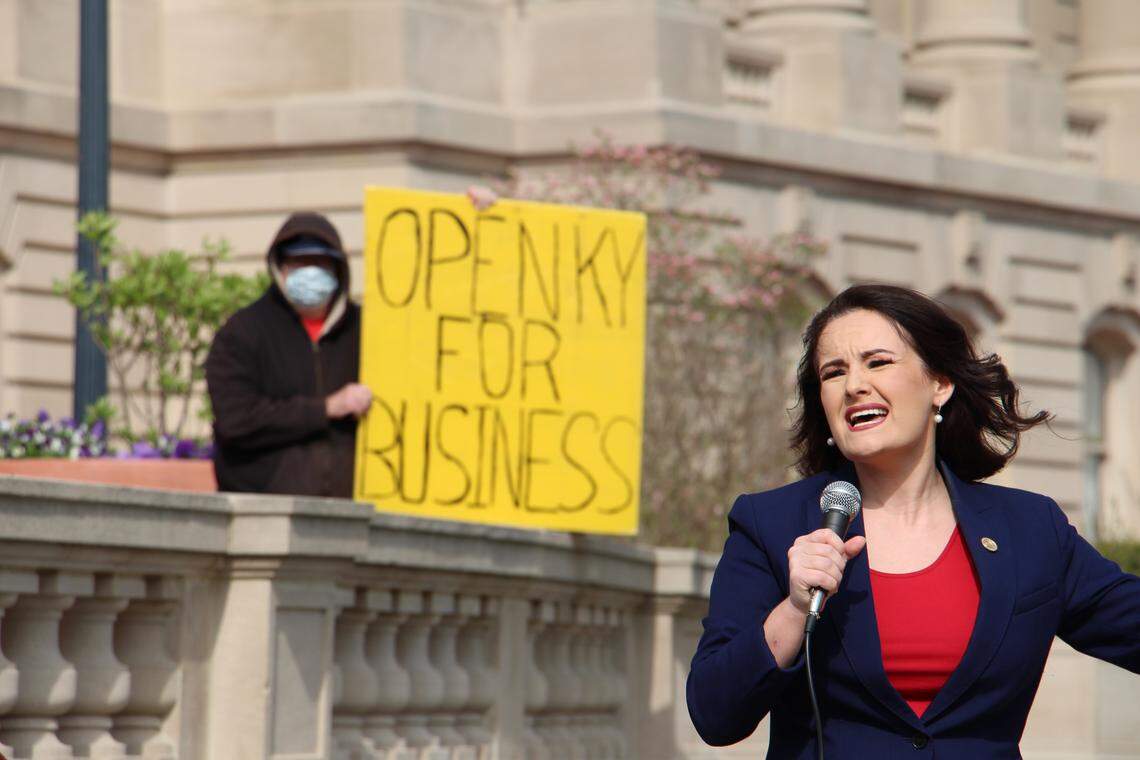
Maddox has been one of the more vocal opponents of Beshear’s restrictions to limit the spread of the virus, particularly his restrictions on businesses and gatherings, and has appeared at rallies to speak against his orders. Maddox has also expressed that she will not get a COVID-19 vaccine.
When asked which approach Republicans seem likely to take with their legislation, Laura Leigh Goins, the spokeswoman for House Republicans, punted.
“The House Majority declines to comment on ongoing discussions,” Goins said. “However, members continue to work to find good long-term policy solutions to the issues facing our state.”
A constitutional amendment?
Any bill that comes out of the House would have to get support in the Senate, where Sen. Chris McDaniel, R-Taylor Mill, has pre-filed a bill that would have Kentucky voters determine whether the legislature should have oversight over the governor’s executive powers via a constitutional amendment.
McDaniel said he believes that it’s important for the governor to have executive power in Kentucky because of the part-time nature of the legislature, but said the pandemic has shown that emergency orders give too much power to the one person in the governor’s office.
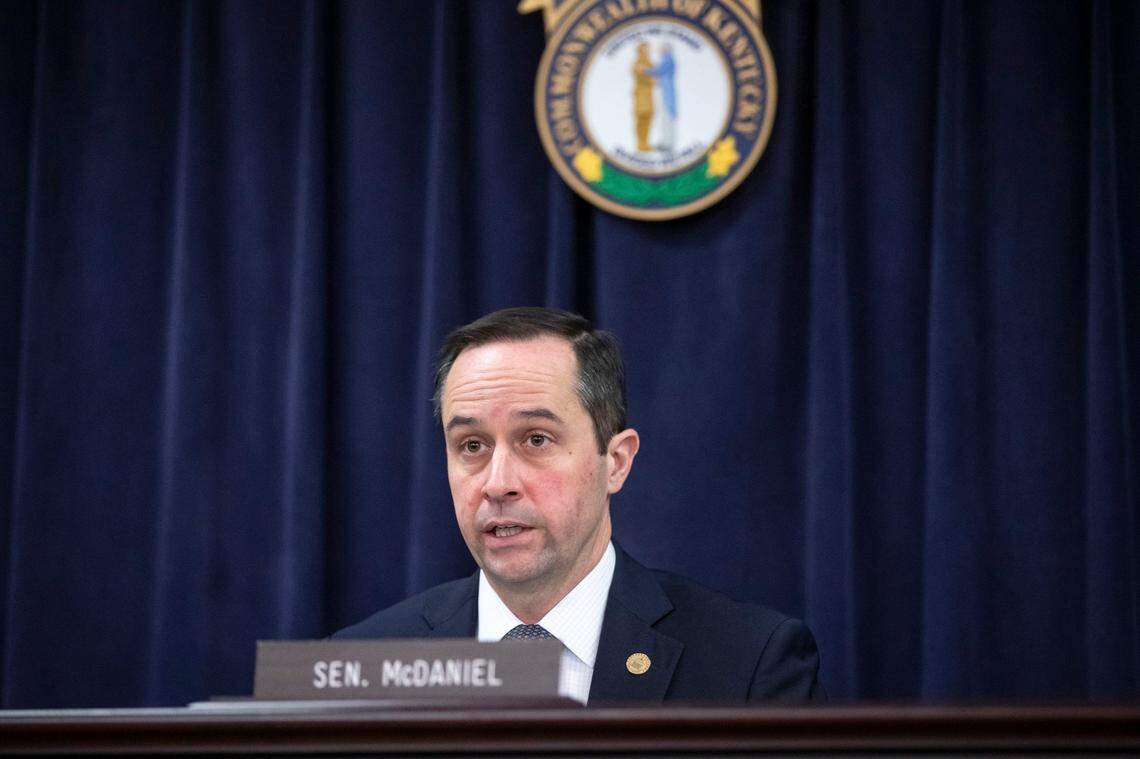
“You have to be able to provide the constitutional checks and balances,” McDaniel said. “It’s important, if emergency powers are invoked over an extended period of time, that the General Assembly be involved.”
Any constitutional amendment would have to wait for a vote until 2022 and therefore wouldn’t go into effect until 2023. In the House, both Gooch and Bechler said that’s too long to wait.
“Do I want to punt for two years?” Bechler said. “The answer is no.”
Kentucky lawmakers aren’t alone in wanting to limit executive powers. Legislative chambers in at least 23 states have introduced legislation to limit executive powers during the COVID-19 pandemic, according to the National Conference of State Legislatures.