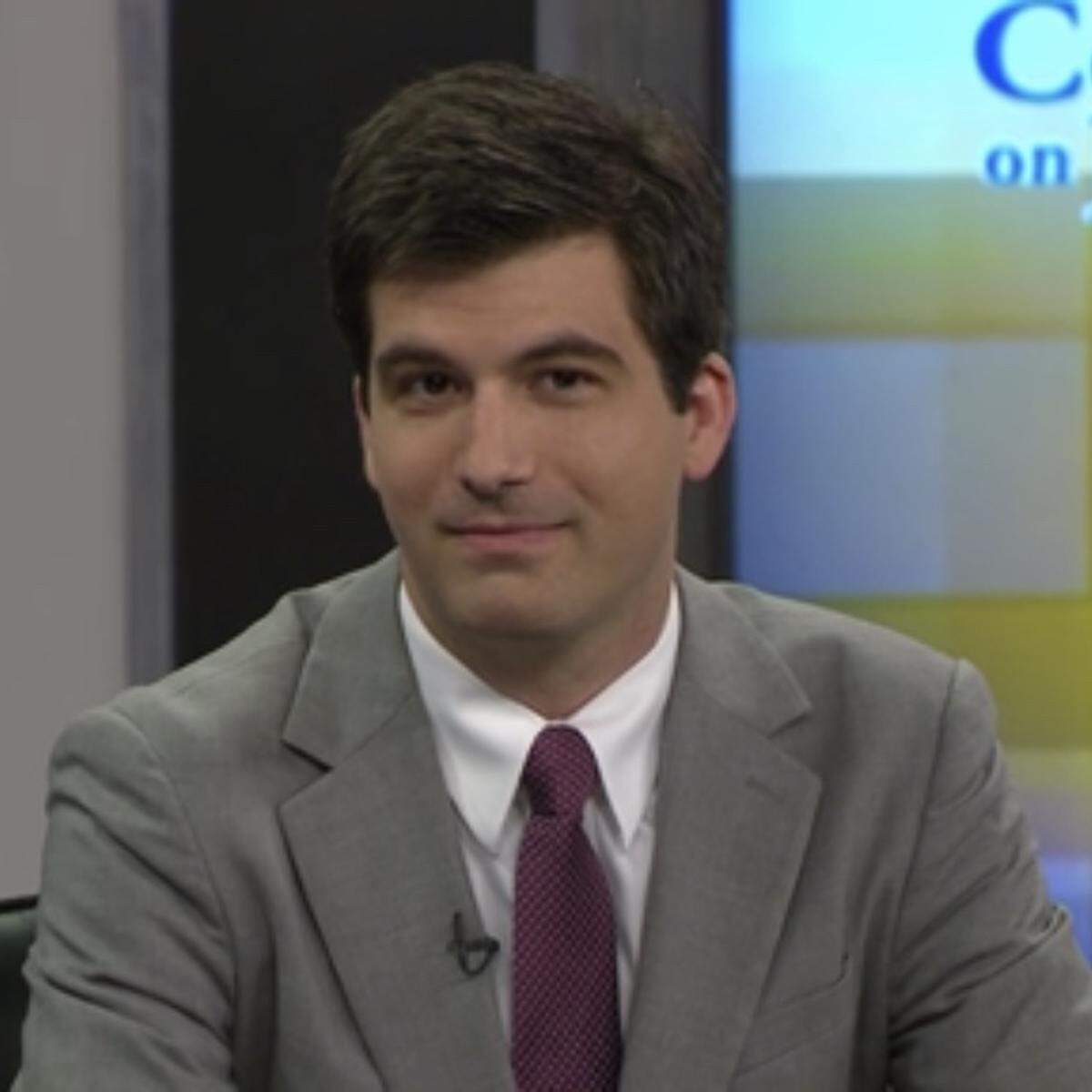
House of Representatives quietly passes bill to limit the death penalty in Kentucky
Late Monday night the Kentucky House of Representatives quietly passed a bill that would ban the death penalty for people with certain severe mental illnesses.
There was no debate, just a floor amendment and a vote where more than three quarters of the representatives approved a bill that has been in the works for more than a decade.
“I’m thrilled,” said Sheila Schuster, the leader of the Kentucky Mental Health Coalition. “From a mental health standpoint, this has been on our wish list for 15 years.”
The bill, sponsored by Rep. Chad McCoy, R-Bardstown, would ban the death penalty for people who have a documented history of schizophrenia, schizoaffective disorder, bipolar disorder, major depressive disorder, or delusional disorder. It would not apply if the disorder were attributable solely to the effects of drugs or alcohol.
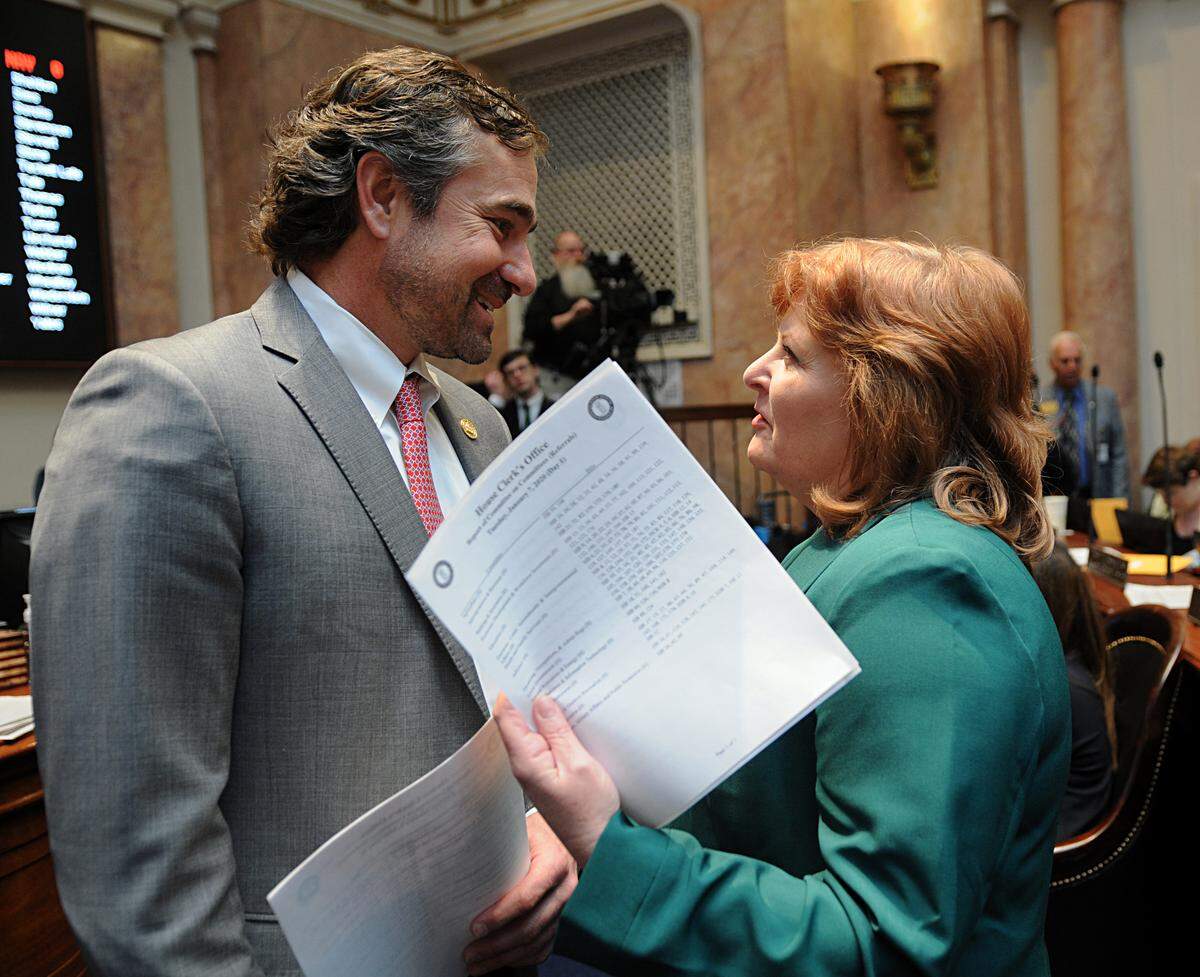
Advocates for the bill argue that it’s about protecting people who experience the most severe mental illness — Schuster pointed out that the disorders covered are considered lifelong mental illnesses — particularly in cases when they might not be able to fully understand the trial and its circumstances.
Father Pat Delahanty, an advocate for eliminating the death penalty, pointed to the case of Sherman Noble, who was charged with murdering four people in 1987 and then sat in prison for more than 15 years before he faced trial while the judicial system determined his mental competency. Noble, who Delahanty said was a diagnosed paranoid schizophrenic, eventually represented himself at trial and was sentenced to death in 2005. He died in prison in 2007, before he could be executed by the state.
“In a sense, it’s a mental health bill that deals with how mentally ill people get caught up in the justice system,” Delahanty said. “There should be far more thought given to the system in general and how mentally ill people are dealt with in the system.”

No one has been sentenced to death in Kentucky since Larry White was convicted for murder and rape in 2014. An execution hasn’t occurred in Kentucky since 2008 and there are currently 26 inmates on death row.
Rob Sanders, the co-legislative liaison for the Kentucky Prosecutors Association, said the bill was too broad and would end up including people who were not mentally ill. He said the death penalty is already used sparingly in Kentucky and he feared that a diagnosis of depression in someone’s 20s could prevent them from being held accountable for a heinous crime in their 50s.
“It effectively eliminates the death penalty in Kentucky,” said Sanders, who is the Kenton County Commonwealth’s Attorney. “It is so vague and so broad.”
About 5.2 percent of the U.S. population suffers from serious mental illness, according to the National Institute of Mental Health.
McCoy, who said he is opposed to the death penalty and would like to see it abolished, said the bill is a more limited step.
“I think it’s very limited in who it applies to,” McCoy said. “But in the cases where it does apply, I think it’s critical.”
The bill is not retroactive, which means that it would only apply to future cases where the death penalty might be considered. Sanders, though, warned that defense attorneys would be able to ask judges to look at the current death row cases and ask them to apply the new statute, should the bill become law.
“They also say they’ve never put someone on death row that’s seriously mentally ill, so why would it matter?” Delahanty said.
The bill had bipartisan support in the Republican-led House, with only 16 members, all Republicans, voting against it. Both Schuster and Delahanty attributed the increase in support for the bill to a growing awareness of mental health issues among the General Assembly. Schuster added that people who suffer from mental illnesses are more likely to be the victim of crimes than the perpetrator.
McCoy said he has also been appealing to the financially conservative side of his caucus, instead of relying on moral and ethical arguments about the death penalty.
“It’s crazy how much money we’re wasting,” McCoy said. “We would save money to get it off the table.”
The corrections impact statement on the bill said the legislation would have a minimal to moderate financial impact of less than $1 million, based on the fact that it costs more to house someone in a mental health unit.
Though the bill easily cleared the House, it still has to get through the Senate. Last year, Sen. Julie Raque Adams introduced a similar version of the bill that easily made it out of committee, but never got a vote on the floor of the Senate in a session that was upended by the COVID-19 pandemic.
Delahanty said he believes there is still time to pass the bill before lawmakers adjourn at the end of March.
“People are becoming more and more aware that the death penalty is flawed and the system is broken,” Delahanty said.
This story was originally published March 3, 2021 at 12:08 PM.