‘Not a knee-jerk reaction.’ Legislators say ethics bills not just aimed at Beshear.
The Kentucky legislature is moving two government ethics bills aimed at Democratic Gov. Andy Beshear — but also, lawmakers, say, at future governors from both parties who will follow him.
On Friday afternoon, the House appeared poised to give final passage to Senate Bill 6, which would create ethics rules for the people who work on transition teams for newly elected governors and other state constitutional officers, such as attorneys general and state auditors.
Under the Senate bill, the Executive Branch Ethics Commission would set written standards of conduct for members of the transition teams, who help incoming officer-holders learn about their state agencies during the brief period between elections and inaugurations.
Transition team members would have to disclose their personal finances; avoid conflicts of interest during the transition that would benefit them; and keep confidential any private information about state government that they learn during the transition.
After the inauguration, they and their spouses could not seek a contract from any state agency from which they had obtained private information during the transition.
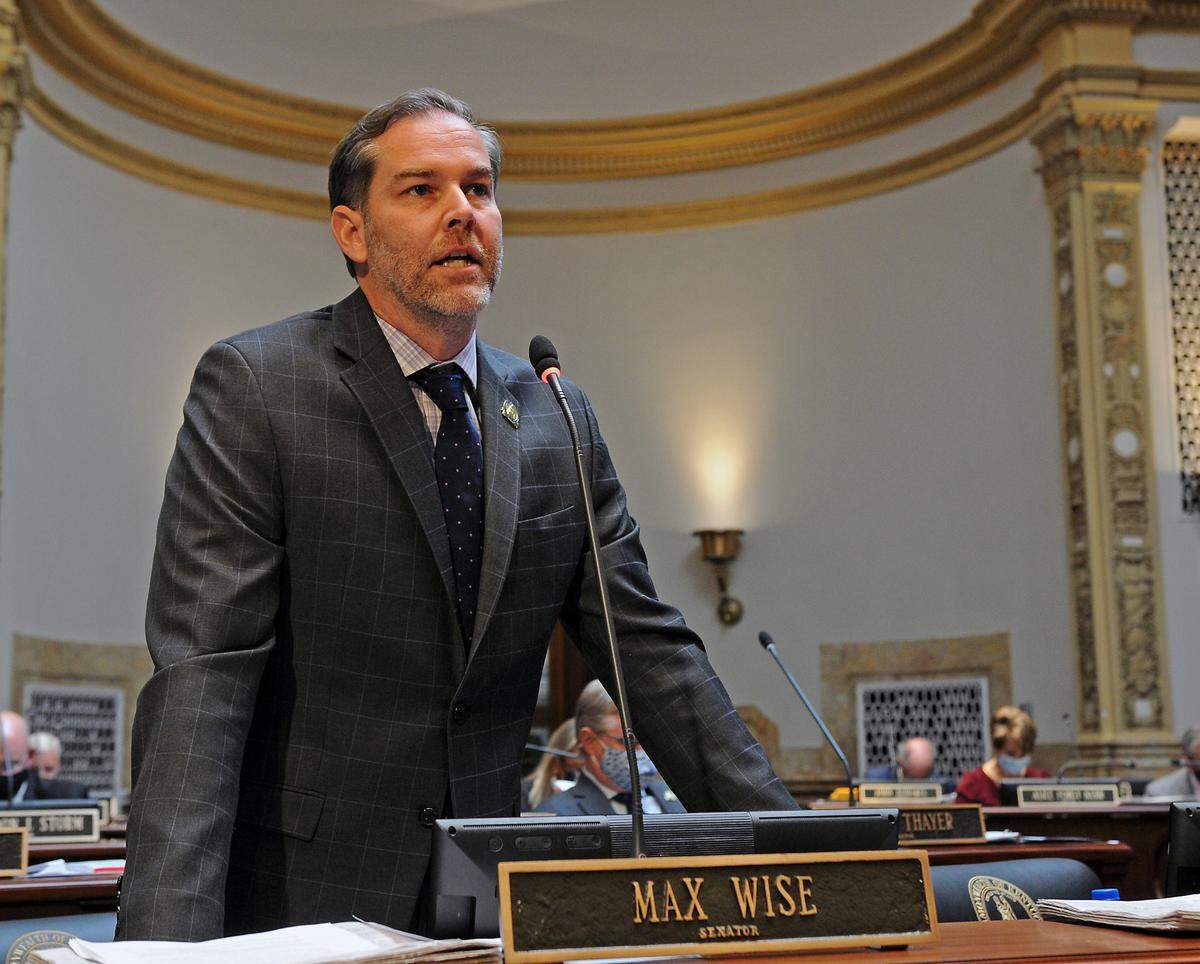
The Senate bill was filed because of concerns over Beshear’s 2019 transition team, and one member in particular, said its sponsor, state Sen. Max Wise, R-Campbellsville.
University of Louisville law professor Emily Whelan Parento co-chaired Beshear’s transition team for the Health and Family Services Cabinet before taking a job with insurance company Molina Health. Parento’s dual roles later became an issue when Molina Health won one of the cabinet’s lucrative Medicaid managed care contracts.
Anthem, which initially failed in its own bid for a Medicaid managed care contract, filed an appeal accusing Molina Health of having an unfair advantage by hiring Parento, given her access to insider information from the transition. A Franklin Circuit Court judge wrote that Parento’s hiring “creates the appearance that Molina had the inside track on the bidding process” in a ruling for Anthem that he handed down in October.
However, the Senate bill’s supporters said its value goes beyond that one example.
“This is not a knee-jerk reaction,” said state Sen. Adrienne Southworth, R-Lawrenceburg. “This is something that has always been kind of a gaping hole. Perhaps if it’s being publicized this one instance, that is fine, but I look forward to getting more of a handle on what goes on sometimes up here that most people don’t talk about.”
Bill changes who appoints ethics commission
The other measure is House Bill 454, which would reorganize the Executive Branch Ethics Commission, the panel that enforces a code of ethics on most of state government.
The House passed that bill by a 71-to-22 vote on March 2. It awaits action by the Senate State and Local Government Committee.
Currently, the governor names the commission’s five members. Under the House bill, the commission would have seven members, with the governor naming only two. The other five would be named, one each, by the other constitutional officers: the attorney general, state auditor, state treasurer, secretary of state and agriculture commissioner.
“This just ensures that, moving forward, the fox isn’t guarding the hen house. It just spreads it out, the appointees to this, and it will be good for Republicans and Democrats alike,” the bill’s sponsor, state Rep. Shane Baker, R-Somerset, told the House State Government Committee on Feb. 25.
The House bill has a few other items. It would include the Kentucky Horse Racing Commission under the executive branch code of ethics. And it would toughen the penalty for people who try to bribe a legislator or who refuse to testify before a legislative committee when summoned, setting a maximum fine of $15,000 and a jail term while the legislature is in session, with the attorney general now being responsible for enforcing the penalties.
In a prepared response Friday, Beshear’s office said the administration supports transition team members being subject to the executive branch code of ethics. But Beshear opposes the legislature’s plan to reorganize the ethics commission and reduce the number of seats he can fill.
“This is one of nearly a dozen bills where the General Assembly is attempting to strip this governor’s ability to make the same types of appointments every previous governor has made,” said Beshear spokesman Sebastian Kitchen.
“Gov. Beshear has already enacted reforms that the General Assembly previously refused, and continues to refuse, by not ratifying a May 2020 executive order that would have allowed the attorney general and auditor to send names to the governor for him to select to become a member of the Executive Branch Ethics Commission,” Kitchen said.
This story was originally published March 12, 2021 at 3:27 PM.