New furniture for Kentucky legislative staff costs taxpayers more than $900,000
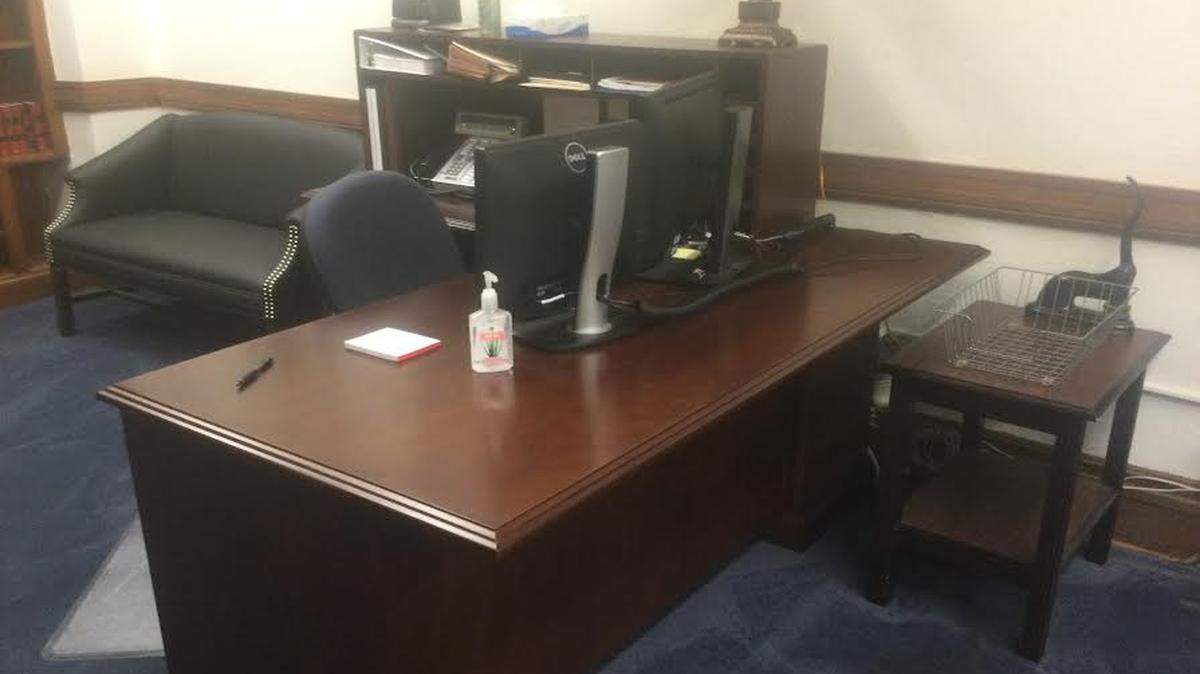
Hundreds of employees of Kentucky lawmakers in the state Capitol and Capitol Annex in Frankfort have new office furniture at a cost of $918,813.88 to state taxpayers.
Mike Wynn, spokesman for the Legislative Research Commission, the bureaucratic arm of the Kentucky General Assembly, said the purchase for 322 non-partisan staffers was necessary.
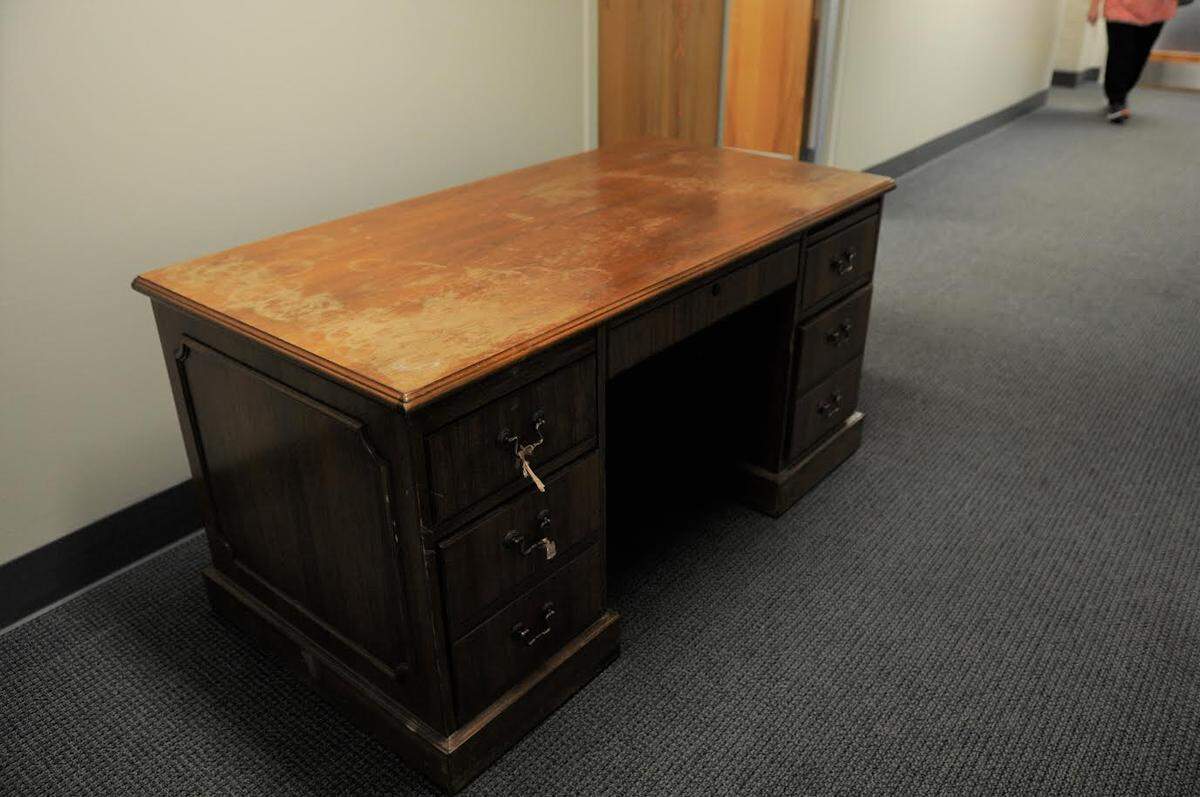
“In short, we’ve reached a tipping point,” said Wynn. “Our furniture is more than a decade old, and many items have suffered significant wear over the years. It’s now cheaper to replace those items than repair them.”
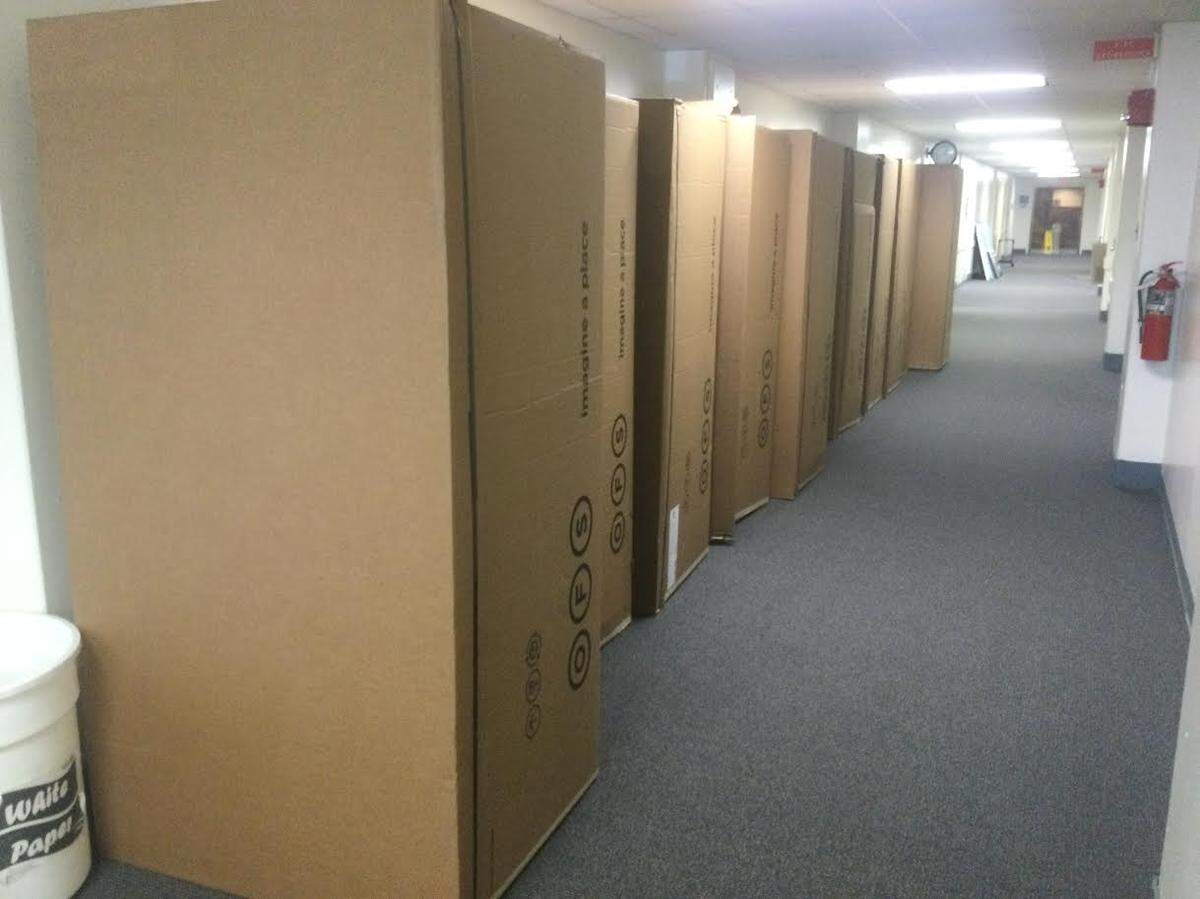
The new furniture included desks, desk chairs, side chairs and bookcases. Fifty executive desks were purchased for $1,349 each, while other types of desks ranged from $667 to $1,239. More than 290 bookcases were bought for $815 each and 276 guest chairs were $339 each.
Wynn said no new furniture was purchased for legislators and their 64 partisan staffers but additional furniture may be purchased to accommodate the LRC’s upcoming occupation of additional office space in the west end of the Capitol Annex.
The Herald-Leader reported in September that legislative leaders are forcing 170 state executive branch employees out of the Capitol Annex to make more room for lawmakers and their staffers.
The executive branch employees are being moved to the Kentucky Transportation Cabinet Office Building on Mero Street in downtown Frankfort. Jill Midkiff, a spokeswoman for the state Finance and Administration Cabinet, said the cost of the move will not be known until it has been completed.
No competitive bid
The purchase was not competitively bid, nor was it made using competitively bid master agreements that the state has with several providers of office furniture.
Jim Waters, president and chief executive officer of the conservative Bluegrass Institute for Public Policy Solutions, questioned whether the LRC got the best possible deal for new furniture.
“I know office furniture is expensive these days but I would like to know how this came about,” Waters said. “I believe we need competitive bidding for products across state government.”
LRC’s Wynn said the furniture purchase was approved by LRC director Jay Hartz “as part of the agency’s normal operations.” Legislative leaders appointed Hartz, a former deputy chief of staff to Senate President Robert Stivers, to lead the agency in May 2019.
Wynn said the LRC “reached out to multiple vendors to discuss the scope of the project.
“However, due to production limitations and supply chain issues, most were unable to meet our deadline before the 2022 legislative session. Our Louisville-based vendor, with whom we have previously purchased furniture, was the only one that could meet the deadline, so we entered into a noncompetitive negotiation.”
Midkiff, with the Finance Cabinet, said the state negotiates volume discounts on a wide variety of goods and services, including furniture, through the solicitation and award of competitively bid master agreements.
“These master agreements are available for use by all levels of government, including the legislative and judicial branches, as well as city and county governments, political subdivisions, universities and quasi-governmental agencies not subject” to state procurement laws, she said.
“The enhanced buying power gained through these master agreements saves Kentucky taxpayers millions of dollars each year,” she said. “To the cabinet’s knowledge, LRC did not take advantage of these statewide, competitively bid master agreements for its recent major furniture purchase.”
In response, Wynn said the manufacturer of the office furniture previously had a master agreement with the state but it had expired.
He said the vendor and manufacturer ultimately agreed to a price under the U.S. General Services Administration Schedule, “which means the price was at least as good, if not better, than what would have been available under a state master agreement.”
The GSA Schedule is a government contract with commercial firms providing federal, state, and local government buyers access to more than 11 million commercial supplies (products) and services at volume discount pricing.
Midkif noted that the state has about 1,000 master agreements “and 10 of those are for furniture.”
Problems with new desks
All of the new desks the LRC bought fit into their intended offices, but some staff had to rearrange their desk location because the size of the new desk varied from the size of the old one.
He said said some new desks have been moved to work spaces in other areas of the Annex and will be replaced with appropriately sized desks from the next production run. All of the new desks will be matched to an office or work space once the project is complete.
So far, only two new desks have had to be moved to other areas in the Annex, said Wynn. “We have identified several more that were not correctly configured for the intended spaces. But we worked with our vendor to halt production on 45 desks, which we can make changes to before the final production run. That will give us plenty of options to ensure that every work space is matched with an appropriate desk.”
Asked if that will increase the cost, Wynn said, “At this time we are unsure due to so many factors that will affect the final cost of the project. We will likely change the size and shape of the 45 desks that are pending production, and that will change the cost.”
He said the LRC “will be able to mitigate costs by adjusting any future purchases related to our expansion in the Annex. We may also buy some surplus furniture from the Finance Cabinet, if the cabinet wishes to leave some existing furniture in the space it is vacating. All of these factors will have an effect.”
The furniture was purchased from Interior Design and Architecture of Louisville and Response Marketing Modern Office of Eden Prairie, Minn.
According to records obtained through the state’s Open Records Act, the LRC paid Interior Design $848,637.88 for desks, chairs and bookcases. Included in the cost was $56,981.60 for delivery and installation.
The bill to Response Marketing for chairs was $70,176.
Wynn said a couple of pieces were damaged during shipment, “but LRC is receiving replacement parts at no additional charge. Otherwise, we are not aware of any quality issues.”
Greg Woosley, general counsel for the LRC, said most of the furniture being replaced has been disposed of according to state surplus procedures, while some of the old furniture has been retained for future use.
The Finance Cabinet’s Division of Surplus Properties receives and redistributes excess federal and state personal property. It offers a variety of products for eligible buyers, including office furniture.