KY’s part-time lawmakers took home $65,339 on average in 2020. Will they go full-time?
Kentucky voters will decide Nov. 8 if they want the state legislature to replace its alternating 30-day and 60-day winter sessions with open-ended gatherings that could extend through much of the year, including special sessions that lawmakers would call for themselves without the governor’s say-so.
Lawmakers are proposing this expanded work schedule in a constitutional amendment that will appear on the fall ballot. They say they only want the flexibility necessary to conduct essential business.
“We don’t want to fall into that trap of becoming a full-time legislature. We need to honor the intent of our service as a part-time legislature,” House Speaker David Osborne, R-Prospect, said of the ballot question last year.
However, the legislature already looks like a full-time job in at least one respect: the money.
In 2020, which was a 60-day session cut short by COVID-19, the average Kentucky state lawmaker collected $65,339 in compensation throughout the year, including pay and expense allowances, mileage and a small stationary stipend, according to data from the Legislative Research Commission. This does not include state contributions to the fully funded legislative pension plan and other state benefits for lawmakers, such as health and life insurance.
In 2021, which was a 30-day session, the average Kentucky state lawmaker collected $56,153 in compensation.
And these are only the average sums collected by the 138 members of the General Assembly.
House and Senate leaders and committee chairmen, who have more duties, are paid better than the rank-and-file.
At the top in 2020 came Senate President Robert Stivers, R-Manchester ($97,912), who also is in line to collect an annual legislative pension of $56,448 when he retires. Stivers ranked No. 1 in 2021, too ($95,874).
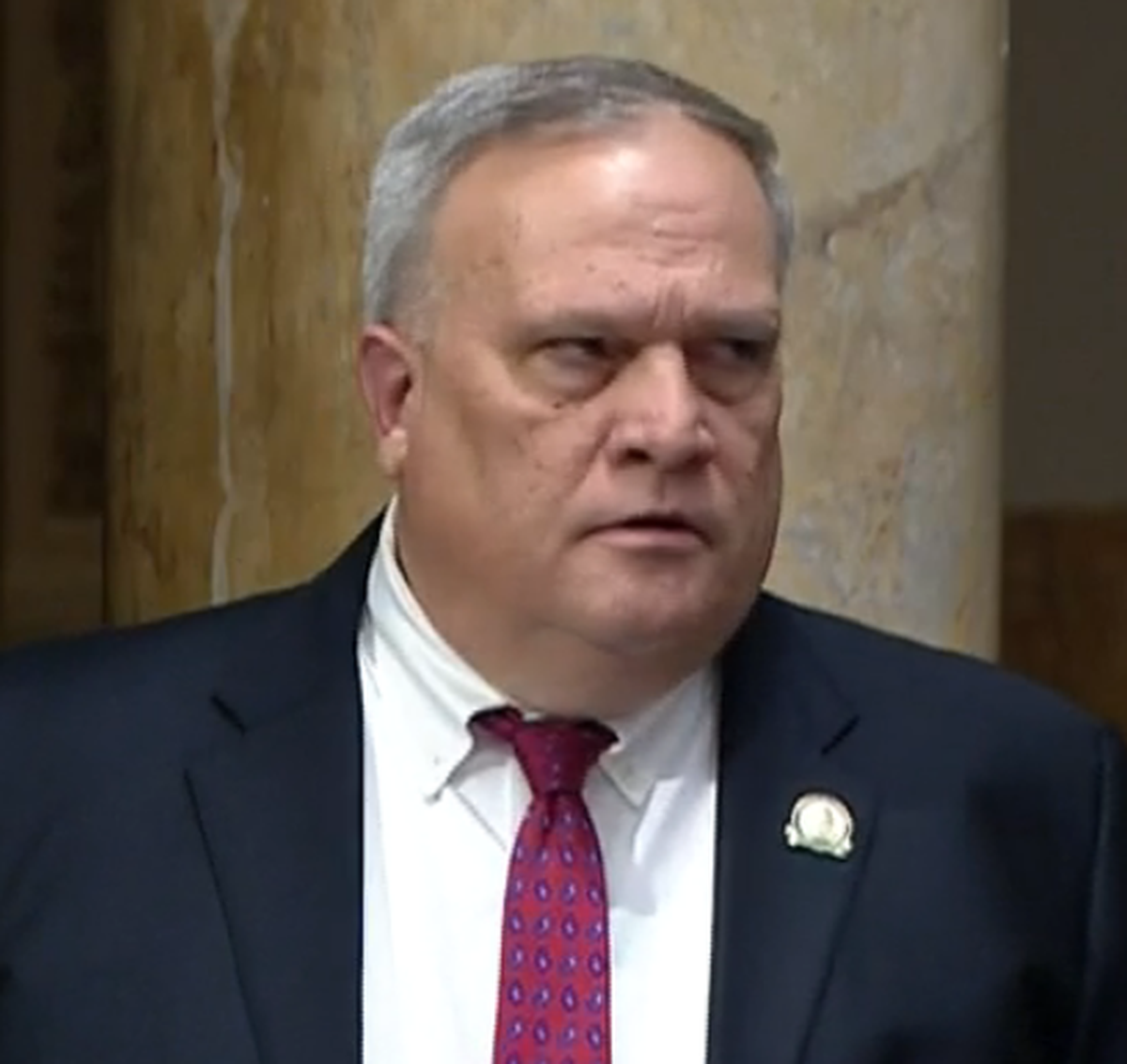
Stivers gets about $60,000 a year in legislative pay and about $35,000 in expense money related to his Senate duties, said his spokeswoman, Angela Billings.
Billings compared the senator to the head of a large corporation.
“Essentially, he serves as the chair to the board of directors for the $25 billion state legislature, which is responsible for 4.5 million people all across the commonwealth,” Billings said. (That $25 billion sum is roughly the size of the last two-year state budget enacted by the legislature,)
“Should the General Assembly gain the ability to call itself into session and ultimately do so, yes, both his salary and expenses would increase,” Billings added. ”For context, President Stivers’ annual salary and expenses is about 50 percent less than that of the governor.”
‘It’s a travesty’
Following Stivers in 2020 were Rep. Jim Gooch Jr., R-Providence, chairman of the House Natural Resources and Energy Committee ($90,478); Osborne, the House speaker ($85,685); House Minority Whip Angie Hatton, D-Whitesburg ($84,915); and Sen. Johnny Ray Turner, D-Prestonsburg, the minority caucus leader who lost his seat in that year’s election ($83,163).
Rounding out the Top 10 were Rep. Derrick Graham, D-Frankfort, minority caucus chair ($80,809); Rep. Suzanne Miles, R-Owensboro, majority caucus chair ($79,620); Rep. Thomas Walker, R-Hopkinsville, chairman of the House Veterans, Military Affairs and Public Protection Committee ($78,881); Rep. Joni Jenkins, D-Shively, minority floor leader ($78,872); and House Majority Leader Steven Rudy, R-Paducah ($78,360).
By comparison, per capita income in Kentucky was $28,178 in 2019, covering those who received wages, retirement income or public benefits, according to federal data. Even for just the Kentuckians who earned wages through jobs, which typically made them better off, the average annual pay last year was $51,792.
Many full-time state government employees make far less than their so-called part-time legislators, including corrections officers and social workers, who start in the low $30,000s, said David Smith, executive director of the Kentucky Association of State Employees.
“It’s a travesty that, unfortunately, the taxpayers of the commonwealth don’t even realize they’re paying this,” Smith said.
“This wasn’t what the founders of the commonwealth intended,” Smith said. “The legislature was intended to be a part-time position for just a short period each year. But they’re making better compensation than a majority of state employees, on top of which they can go back home to their districts and make more money from their other jobs. They are lawyers, they are business owners, they do whatever.”
A spokeswoman for House Republican leadership said it’s important to consider that only part of a legislator’s compensation is salary.
For Osborne, the House speaker, for instance, his 2020 salary was $36,601. That same year, he received $19,267 as a daily expense allowance during the session; $15,548 more as a monthly expense allowance in the interim; $8,944 for separate itemized expenses, for official travel and other costs; $921 for mileage; and $250 for stationary.
“The House policies for travel and compensation are established by the Constitution, statute and guidelines that have been in place for decades,” said House GOP spokeswoman Laura Goins.
“While it may be tempting to include travel expenses in an overall comparison of legislative compensation, it is important to consider that these reimbursements are essentially a pass through and based on a number of variables that often fluctuate from year to year,” Goins said. “Each member travels a different distance, serves on different committees, and participates in different national work groups.”
Paid in session and out
Lawmakers are paid salaries for each calendar day the legislature is in regular or special session, and also while they attend committee meetings or other professional business during the interim periods between sessions.
Rank-and-file members get $188.22 daily, while those in leadership posts collect larger sums. They also get a daily expense allowance of $166.10 during sessions.
When the General Assembly isn’t meeting, lawmakers draw a $1,788.51 monthly expense allowance. They can have additional expenses paid for, as well. But for those, they are supposed to submit explanatory vouchers in order to be reimbursed.
This expense spending can vary greatly by lawmaker.
Gooch, the House environmental committee chairman, reported $22,823 in 2021 interim vouchered expenses and $19,246 in 2020, more than anyone else and about five times what his colleagues reported on average. Gooch did not respond to requests for comment on his expenses.
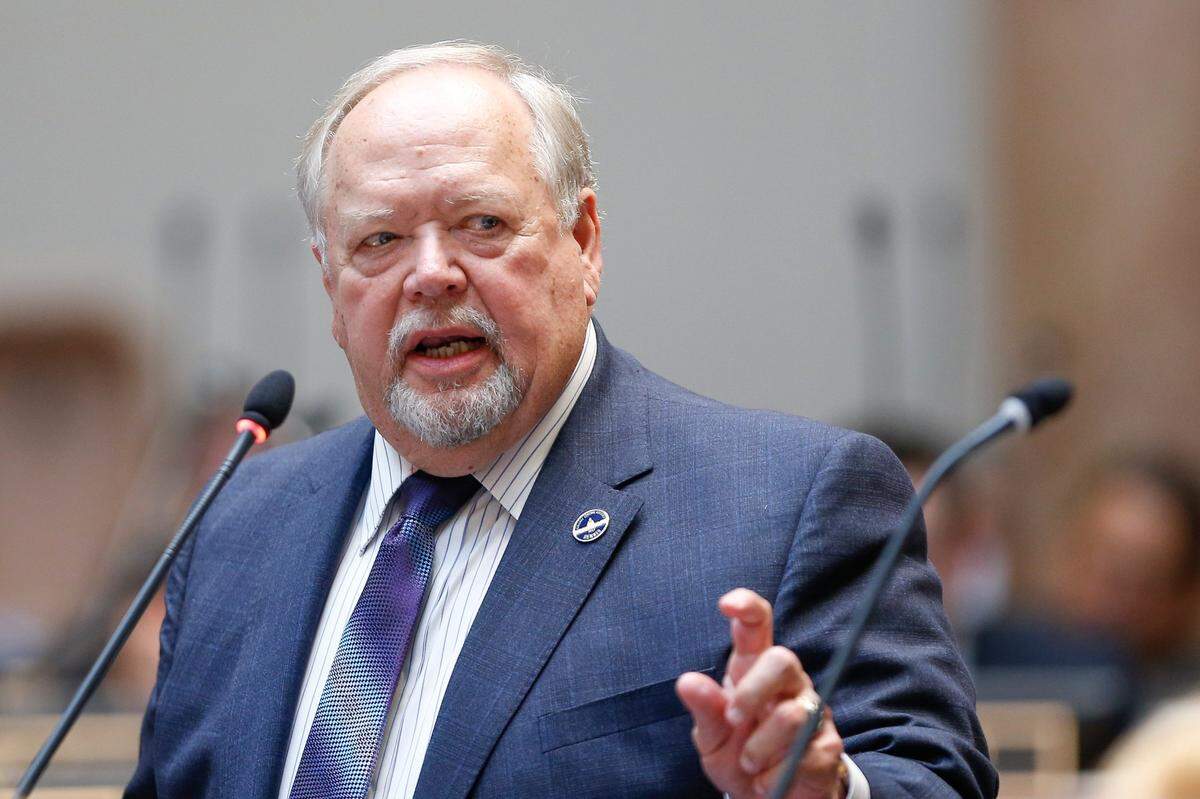
The daily and monthly expense allowances are meant to help lawmakers pay for job-related costs, such as meals and overnight housing in Frankfort. Some of them stay in hotels; others rent apartments or even buy homes in the capital city.
Lawmakers also can get their salaries and expenses for approved travel during the interim periods to professional conferences in locations ranging from Athens, Greece, and San Juan, Puerto Rico, to New Orleans and New York, expense documents show. Among the most popular hosts are the American Legislative Exchange Council, the Council on State Governments and the National Conference of State Legislatures.
Several House Democratic leaders are among the best compensated despite having relatively little power in the GOP-controlled legislature.
In a joint statement, the Democrats said their jobs are full-time “if done correctly.” Part of their compensation is money to pay for expenses, such as travel, meals and lodging, that are essential to do their work, the House Democratic leaders said.
“We believe legislative salaries are fair,” the House Democratic leaders added, “but the goal should always be to find a balance so that the General Assembly can remain what our founders intended: a citizen legislature that is representative of those it serves.”
As for the constitutional amendment to let lawmakers meet more frequently, the Democrats said they oppose it.
“If Kentuckians do vote to allow the General Assembly to call itself into session, it stands to reason that expenses will rise as well,” the Democrats said.
“We don’t think the amendment is necessary, since the legislature is never more than nine months away from regular session. With 14 special sessions this century, it’s clear to us that governors have no problem calling the legislature back if there is a need. The current system is working well as is,” they said.
This story was originally published March 2, 2022 at 11:26 AM.