Should Kentucky have to consider potential cost to industries for tougher regulations?

A bill headed to the House floor would require the state of Kentucky to consider the financial costs to private industry before enacting new regulations — without also considering the possible public benefits, such as better consumer protection, community health or workplace safety.
“Doing a straight cost-benefit analysis, like this bill calls for, tends to undervalue the benefits for everyone,” said Tom FitzGerald, an attorney for the Kentucky Resources Council, who is lobbying against the bill.
“It’s hard to put a neat value on what one person would pay to be free of cancer because of exposure to a toxic chemical, even if you can easily quantify the cost of installing scrubbers on a smokestack,” FitzGerald said in an interview Thursday. “But when you’re looking at something like pollution control, you have to be allowed to consider that.”
House Bill 594 started life as a “shell bill,” a minor bill that simply tweaked the language of state overtime law in three different places to make it gender neutral.
Only once the bill reached the House State Government Committee at a hearing Thursday did the sponsor, Rep. Phillip Pratt, R-Georgetown, reveal its true purpose.
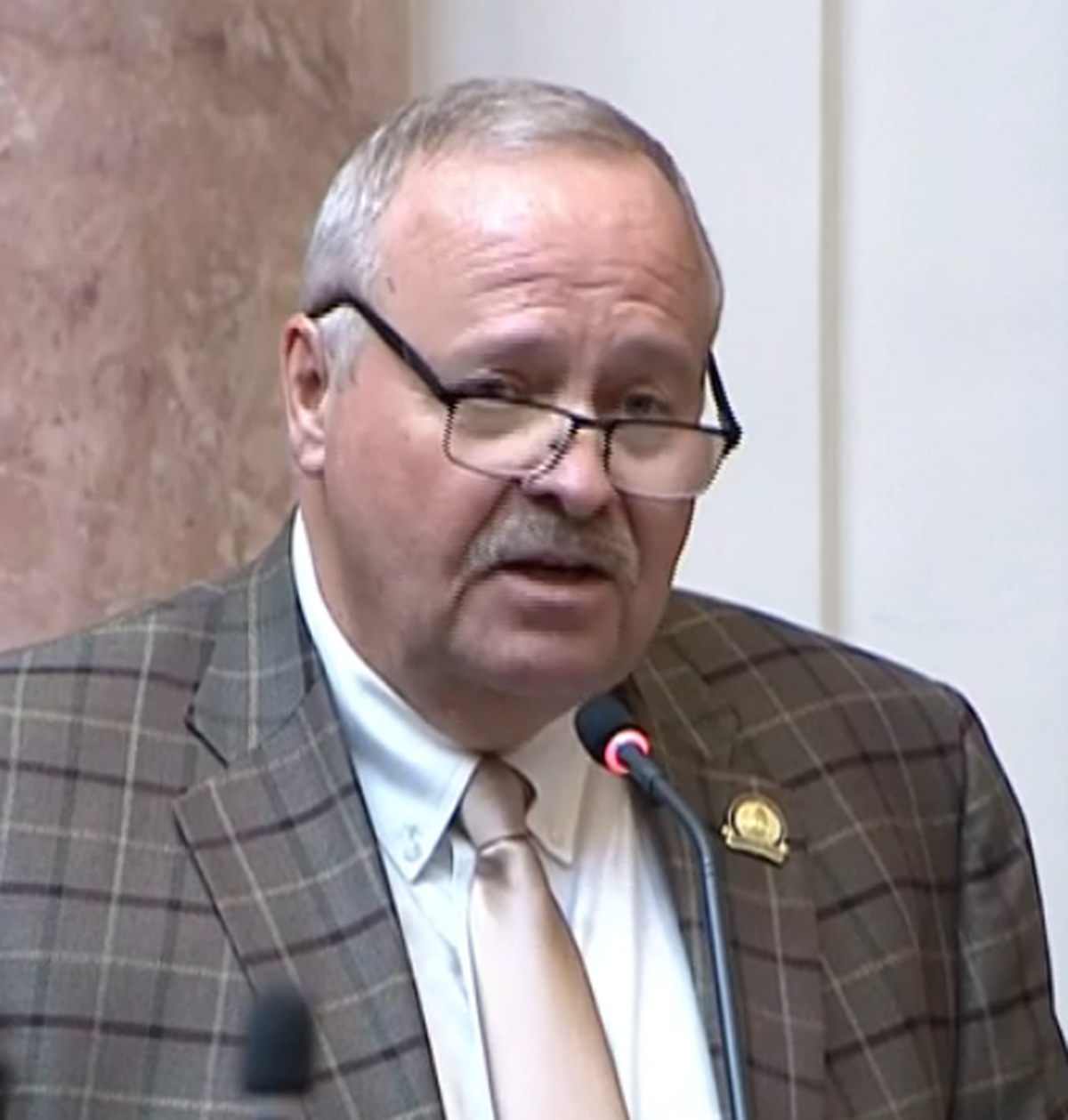
Pratt swapped out the bill’s original text with a committee substitute that says state agencies cannot adopt administrative regulations without considering whether they would have a “major economic impact,” defined as $500,000 or more, on the regulated entities.
“House Bill 594 is a piece of legislation that will help bring transparency and accountability to the development of administrative regulations,” Pratt told the committee.
“For too long, whether it has been a Republican or a Democrat administration in the governor’s office, regulated entities have no process for administrative bodies to truly consider the economic impact proposed regulations may have on their businesses,” Pratt said.
The committee approved the rewritten bill unanimously, without questions or further discussion.
“Our office was not consulted on this legislation,” said Scottie Ellis, a spokeswoman for Democratic Gov. Andy Beshear, on Friday.
“In addition, it was filed as a shell bill, meaning we — and the public — were unable to review the bill before it was discussed yesterday in committee,” Ellis said. “Now that we have the bill, our office is reviewing it.”
Pratt did not respond to requests for comment on Friday.
How would bill change current law?
Pratt’s bill appears to be similar to model legislation proposed by the pro-business American Legislative Exchange Council, which also suggests a cost-benefit analysis of new state regulations and consideration of the economic impact on regulated entities if it’s going to be $500,000 or more.
In Kentucky, a panel of lawmakers, the Administrative Regulation Review Subcommittee, meets monthly to approve or disapprove of state agencies’ new rules. In recent months, agendas have referenced — among many other items — sanitary standards in barber shops; safety rules for scaffolding and demolitions at construction sites; and staffing requirements at home health agencies.
FitzGerald, the environmental lawyer, said Kentucky state law already requires a cost-benefit analysis of proposed regulations to be included when they are submitted to the review panel.
However, unlike Pratt’s bill, the current law calls for costs and benefits to the public to be included in the equation, not just costs and benefits to the regulated industry, FitzGerald said. That’s a crucial difference, he said, because the state government should be concerned with how well its citizens are served.
In a letter FitzGerald sent Friday to Pratt and House Republican leaders, the lawyer said he has observed thousands of regulations being adopted in Kentucky over the past 22 years, and he can recall barely two dozen of them being found deficient.
In fact, he added, most state regulations are filed to match changes made in federal law or regulation for a federal program that a state agency has agreed to manage, so Kentucky gets little say in the matter.
FitzGerald said he would have testified against Pratt’s bill at the House committee hearing Thursday. However, he said, he had no idea what the mystery bill was intended to do.
“It’s difficult to have any meaningful input at a legislative committee under these circumstances,” FitzGerald said.