
Fentanyl traffickers in Kentucky would serve more time in prison under this bill
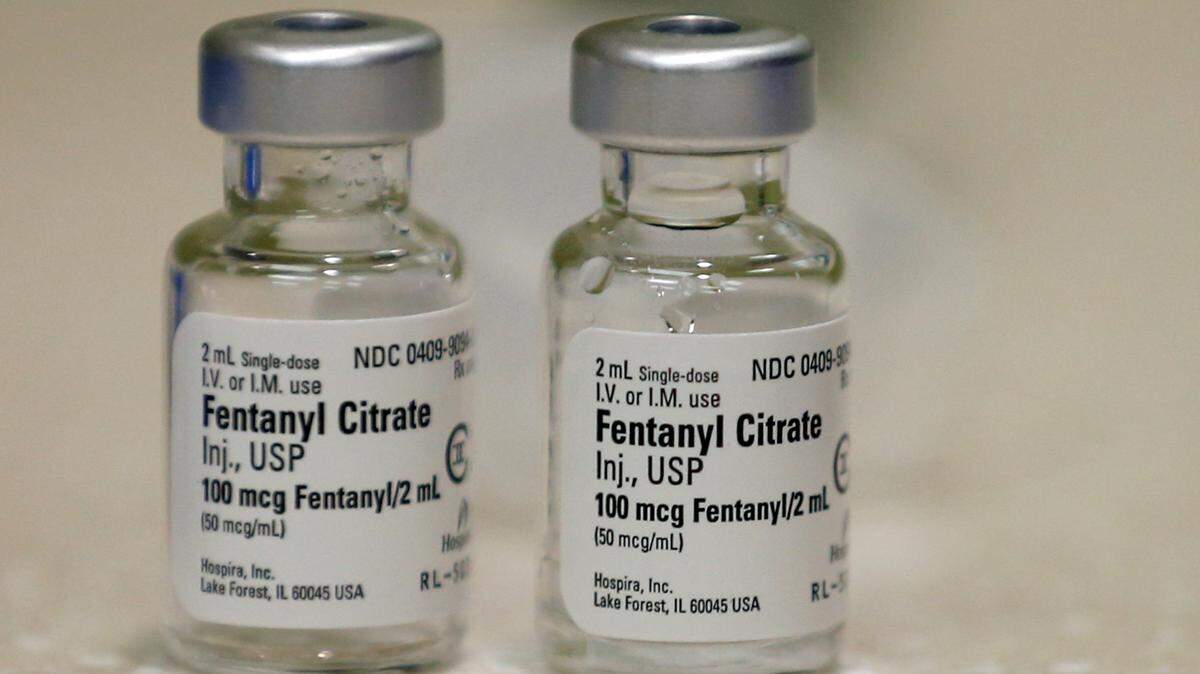
A bill significantly increasing the minimum sentence served for people convicted of trafficking fentanyl, carfentanil, or fentanyl derivatives passed the Kentucky General Assembly with a Senate vote of 30-3 Tuesday.
House Bill 215 from Rep. Chris Fugate, R-Chavies, would up the time that fentanyl traffickers serve in prison from 50% of their sentence to 85%.
Fentanyl was detected in about 71% of the state’s 1,964 recorded fatal drug overdoses in 2020, according to the Kentucky Office of Drug Control Policy. Often mixed with heroin, fentanyl is a synthetic opioid that can be up to 50 times more potent than heroin.
Proponents of the bill say that it’s a necessary step to further punish and deter those who deal the deadly substance.
“If anyone knows anything about this drug and how dangerous it is, it’s a killer.” Sen. Mike Wilson, R-Bowling Green, said on the Senate floor.
Philip Lawson, a Frankfort attorney speaking on behalf of the Kentucky Association of Criminal Defense Lawyers, disagreed with the increases in sentence served. He said that someone charged with aggravated trafficking of the drug, 24 grams or more, would serve at the very least 102 months in prison under the bill.
Senate Judiciary Chairman Whitney Westerfield, R-Crofton, said in committee that he opposes the bill because he feels sentencing should be decided on a case-by-case basis.
“I don’t like mandatory minimum language in legislation. I’m very familiar with the dangers of these drugs, that they present to law enforcement and the people in our communities, but mandatory minimums take us away from giving the people on the ground power to do what they need to do to find the right outcome in each individual case,” Westerfield said.
Sen. Robin Webb, D-Grayson, who like Westerfield is an attorney, also shared her concerns about mandatory minimum language.
Noting the cost of housing inmates, Sen. Adrienne Southworth said she didn’t believe the legislation would put much of a dent in trafficking of the deadly substance.
“All this bill does is enhance the number of dollars that we spend on the people that have done these things by extending the time they serve in prison,” Southworth said.
Carmen Mitchell of the Kentucky Center for Economic Policy wrote that the bill won’t actually make anyone safer, but that it will “mostly harm low-level drug users.”
“While ostensibly targeted to stop trafficking, in reality, policies like HB 215 rarely interrupt major drug distribution systems or imprison high-level traffickers,” Mitchell wrote. “Research shows that incarcerating more people for selling drugs does not reduce the supply of drugs or make communities safer because others step in as long as demand remains high. Instead, policies like HB 215 mostly harm low-level drug users.”
A fiscal analysis of the legislation drafted by Legislative Research Commission staff indicates that the bill will cost the state at least $23 million in extra funds to house just one category of fentanyl-related offenders.
This story was originally published March 29, 2022 at 7:46 PM.