Out of state drug treatment patients taking resources away from KY cities, officials say
Some local officials are raising concerns that Kentucky taxpayers are helping foot the bill for substance-abuse recovery services for people from other states.
The Somerset City Council approved a resolution this week urging state lawmakers to bar the practice of recruiting people from outside the state to come to substance-abuse recovery facilities in Kentucky.
Somerset Mayor Alan Keck, who presented the resolution, said he and city leaders strongly support substance abuse recovery, but feel Medicaid and other resources should benefit Kentucky residents, not subsidize drug treatment for people from out of state.
Some recovery residences, also called sober living houses, bring in people from Tennessee and other states, then seek to have them covered by Medicaid in order to receive payments for services, local officials say.
“I still think it’s an abuse of Kentucky Medicaid if they’re treating out of state patients,” Keck said.
The resolution approved by the Somerset council said recovery resources of Kentucky cities and the state should not be “burdened with treating clients from other states, as this can have a negative impact on Kentucky communities and the work of helping residents struggling with substance abuse.”
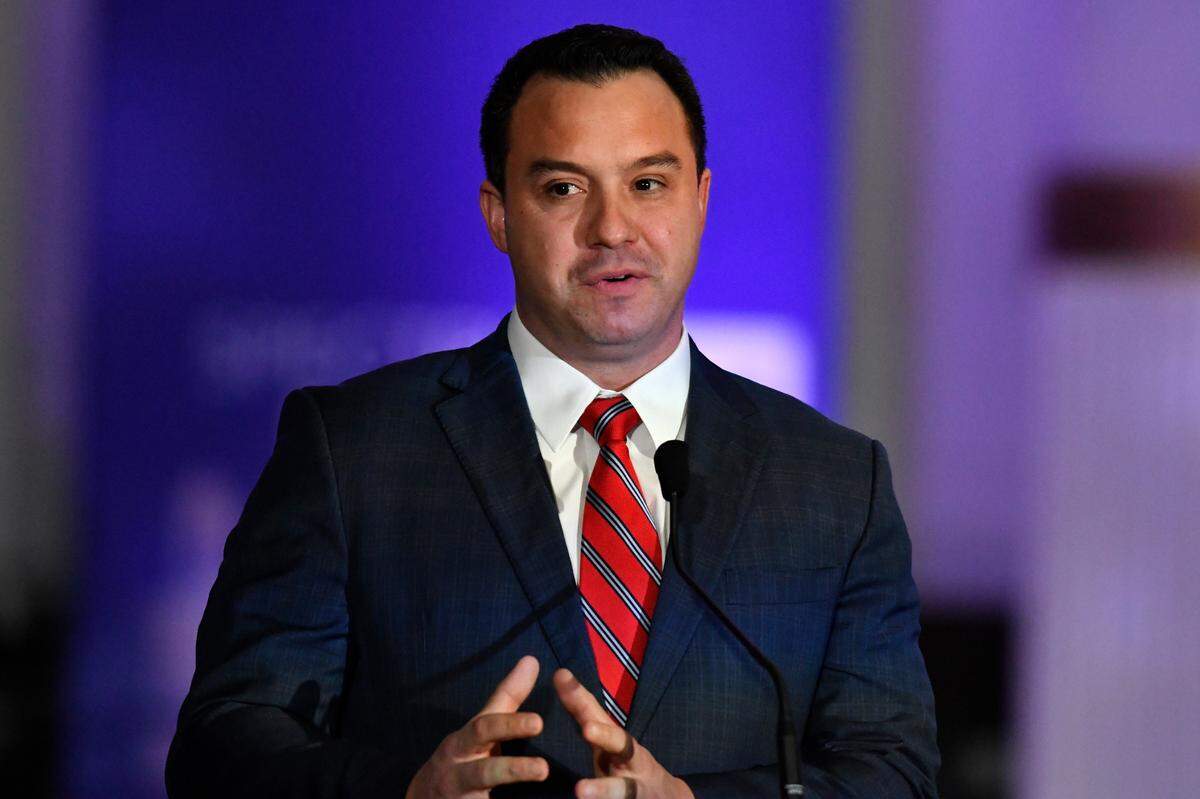
Elizabethtown Mayor Jeff Gregory said there have also been cases of people coming to sober living houses there from other states.
Sober living houses typically use approaches including abstinence, peer supervision coaching and group support to try to help people stop abusing drugs.
The Somerset resolution asks state lawmakers to approve legislation barring “the commercial advertising, recruitment, and commercial transportation of patients from other states” to Kentucky for the purpose of providing substance-abuse recovery.
Brice Mitchell, a spokesperson for the state Cabinet for Health and Family Services, said people must live in Kentucky to be eligible for coverage under the Medicaid program, and that state officials use a variety of sources to verify that people applying for Medicaid do in fact live in the state.
Under federal law, there is no minimum amount of time a person has to live in Kentucky to receive services. The federal rule specifically says a state can’t deny Medicaid eligibility because a person has not lived in the state for a specified period, Mitchell said.
Kentucky covers drug treatment services under Medicaid.
John Wilson, chairman of the Kentucky Association of Independent Recovery Organizations, or KAIROS, said in a statement to the Herald-Leader that providers understand and share the concerns expressed by local officials.
“We want the public to know this is not a widespread practice among reputable providers in the healthcare industry,” Wilson said in response to an inquiry about recovery residences bringing in clients from out of state and seeking to have them covered under Medicaid.
“In fact, as general rule, KAIROS opposes any such efforts, and we are committed to partnering with our federal, state and local leaders to improve the lives of individuals while we also better the communities of the Commonwealth,” Wilson said.
Sober living homes contacted by the Herald-Leader did not respond.
‘They’re desperate’
Local officials said bringing people from out of state to recovery residences in Kentucky has contributed to homelessness and crime in some cases.
That’s because if someone from out of state drops out of a sober living house or is expelled for an infraction — or if they ultimately don’t qualify for Medicaid coverage — they sometimes don’t have a way to get home.
Keck said there had been three instances in Somerset of people from recovery centers stealing vehicles to get back to another state.
“They get here and then they’re stuck with no resources to get home, and they’re desperate,” said Somerset police Chief William Hunt.
In a case last Sunday, two men from Tennessee took a car from a person at a gas station, Hunt said.
The owner of the car told police he left it running when he went into a convenience store and two men got in it and tried to drive away, but hit a utility pole and the car got stuck in the snow. The passenger ran away but the owner of the vehicle caught the driver and held him until police arrived, according to a citation.
Police charged Jordan Lee Foster, 28, of Rutledge, Tenn., with theft and criminal mischief.
Foster told police he and the other man had left Lake Cumberland Recovery in Somerset and that he took the car to get back to Tennessee, according to the citation.
The owner of Lake Cumberland Recovery did not return phone calls.
Some recovery facilities also have put a strain on local food pantries because they don’t provide food for residents, so they seek help at the food pantries.
Dawn Cash, executive director of Warm Blessings Community Kitchen, the main food pantry in Elizabethtown, said sober living houses in the city bring in people from other states and then have them apply for Medicaid and food stamps.
Some houses have routinely sent residents to the pantry to get food, however, Cash said.
The pantry also has provided such items as toilet paper and personal hygiene products to residents of sober living houses in the city, Cash said.
The pantry tracked what it cost to provide food to residents of sober living houses from September 2022 to February 2023. It came out to $75,000, Cash said.
It’s not clear how many of those people were from out of state, but the pantry has documented residents of Tennessee and Missouri coming in from local sober living houses, Cash said.
“Obviously it takes away from what else I could be giving a family or a senior,” Cash said of providing food to residents of sober living houses.
The pantry also has paid for transportation for people to get home to other states, she said.
‘It’s been draining’
In Somerset, God’s Food Pantry discontinued a food program aimed at helping homeless people because of demand for food from residents of sober living houses, said Brenda Russell, the executive director.
Those residents weren’t homeless, but the pantry provided them food bags through that program and the demand grew to be too great, Russell said.
“It’s been draining,” Russell said.
Staffers at the pantry could tell some of the people from the recovery residences were from Tennessee because they had identification cards or driver’s licenses from there, Russell said.
J.D. Chaney, executive director and CEO of the Kentucky League of Cities, said the proliferation of sober living houses has become an issue for many cities.
In response, the league helped draft House Bill 248 in the 2023 legislative session.
The measure requires recovery residences to be certified by groups that set minimum standards and will bring greater oversight. It takes effect later this year.
The city of Elizabethtown gave final approval last week to measure putting the standards in HB 248 in place by local ordinance before the state law takes effect.
‘Consistent standards’
Gregory said the number of sober living houses in Elizabethtown had mushroomed to more than 150, creating concerns among residents.
The growth has contributed to crime and the need for ambulance transportation and emergency room visits, Gregory said.
“We’re inheriting problems from out of state,” Gregory said.
Warm Blessings, the Elizabethtown food pantry, said in a report that in one case, a woman from Rhode Island who left one of the local sober living houses ended up staying at Warm Blessings for several days before ultimately “alternating between living on the street and couch-surfing,” the facility said in a report.
A sober living house left a man who relied on oxygen on the porch of Warm Blessings overnight even though the facility had told the sober living house it was out of room, according to the report from the food pantry.
State and local officials hailed HB 248 as a step forward in providing good substance-abuse recovery services.
The primary sponsor, Rep. Samara Heavrin, R-Leitchfield, said in a release when Gov. Andy Beshear signed the law that it would “ensure consistent standards of care and services across the state” for recovery houses.
Gregory said at the time that the measure would enable officials “to monitor and enforce regulations that secure these facilities are operating correctly for those at the most vulnerable stage of their life.”
The law would not bar sober living house from recruiting clients from out of state to come to Kentucky and apply to be covered under Medicaid, however.