Kentucky admits kids in custody need better mental health care. Is this bill the answer?
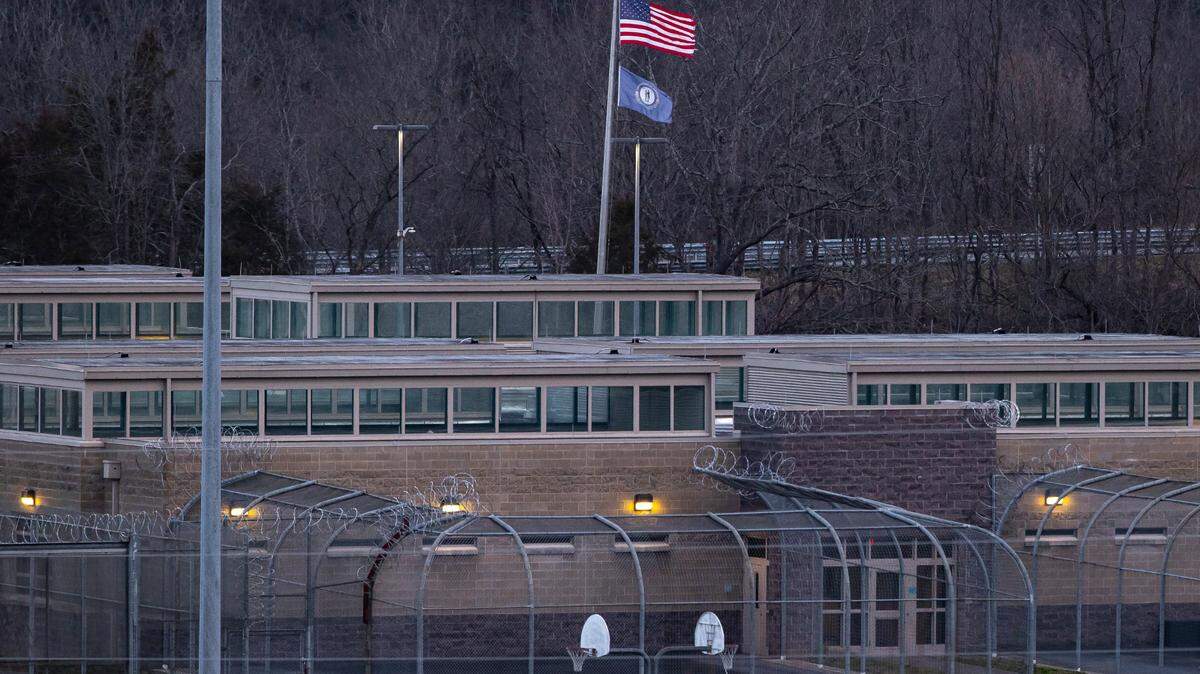
A plan to provide better mental health care to youths in state custody is advancing again to the Kentucky Senate, which unanimously passed a similar proposal last year only to see it die in the House.
The Senate Judiciary Committee on Thursday approved Senate Bill 111.
The costliest part of the bill, with an estimated $90 million price tag, would build two all-female juvenile detention centers for the Department of Juvenile Justice, one in Central Kentucky and the other in Western Kentucky.
With an aging infrastructure that needs millions of dollars in improvements, the department has struggled to keep youths segregated by gender and severity of their alleged offenses. This problem became especially clear in 2022 when a riot at the juvenile detention center in Adair County led to the rape of a girl held at the facility.
However, much of the Senate bill is dedicated to creating a process for “acutely mentally ill” children to receive care once they are committed to the custody of the Department of Juvenile Justice or the Cabinet for Health and Family Services.
In some cases, these youths could be placed in a psychiatric or pediatric teaching hospital with reimbursement provided by the federal-state Medicaid program. Hospitals could have youths removed if they act violently.
“That has been a key to this whole issue,” the bill’s sponsor, state Sen. Danny Carroll, R-Paducah, told the judiciary committee.
“There are many of these hospitals that are reluctant to take these kids because, under current statute as it is interpreted, once they receive these children they have to keep these children,” Carroll said. “If they assault staff, they still have to keep the children. Police will not remove them from the facility. This bill corrects that.”
The bill also would authorize the construction of a 16-bed mental health juvenile detention center to be operated by the Department of Juvenile Justice, modeled in part on a treatment center that’s underway in South Carolina. The detention center would be built to have room for future expansions.
Carroll said his bill would include $5 million for the design phase of the construction.
The Herald-Leader has reported for years on youths held in Kentucky’s scandal-ridden juvenile detention centers who suffered from poor mental health but did not receive adequate care, including one girl reportedly left naked in her own filth in a cell over the summer of 2022.
In some cases, juvenile justice officials have acknowledged holding teen-agers in detention simply because they didn’t have any other place to put them. Foster homes and private agencies sometimes refuse to accept youths with mental health issues or behavioral problems, officials said.
And it’s not just the detention centers. In January, a state report showed that dozens of children in the care of the Cabinet for Health and Family Services slept in office buildings used by the state’s social services agency last year for temporary lack of a better place to house them.
“You all have heard the stories over recent years,” Carroll told the committee. “We still have kids in facilities today that are in juvenile detention centers that — although I feel the treatment has gotten better — they’re still not where they need to be and where they can receive the best care in the safest environment for their situation.”
Carroll’s bill is supported by Democratic Gov. Andy Beshear’s administration. He was joined at the witness table on Thursday by Randy White, commissioner of the Department of Juvenile Justice, and Eric Friedlander, secretary of the Health and Family Services Cabinet.
White didn’t speak to the committee Thursday. But in a prepared statement to the Herald-Leader, he urged lawmakers to pass Carroll’s bill.
“The Beshear-Coleman administration has made critical, positive improvements to the juvenile justice system, enhancing safety and security for youth and staff while helping Kentucky’s at-risk youth rehabilitate,” White said.
“There are vital pieces left that require legislative action, including funding a high-acuity mental health facility to ensure access to psychiatric treatment and two female detention centers,” he said. “We asked for these items last session in SB 242, but lawmakers did not pass the bill. We hope the General Assembly will act this year and provide the much-needed funding.”
The judiciary committee approved Carroll’s bill without opposition.
Senate President Robert Stivers, R-Manchester, told Carroll that it’s not yet known whether the General Assembly will reopen the state budget during this legislative session to authorize more spending. Lawmakers passed a two-year budget last winter that extends through June 30, 2026.
Carroll said he suspected his bill’s price tag might have contributed to its demise in the House during the last session. If that’s a problem this time, he said, he would be willing to narrow the bill’s focus for now to the mental health sections, including the proposed 16-bed facility that would offer mental health care.