Kentucky senator wants to ban ‘discriminatory concepts’ of DEI in K-12 schools, government
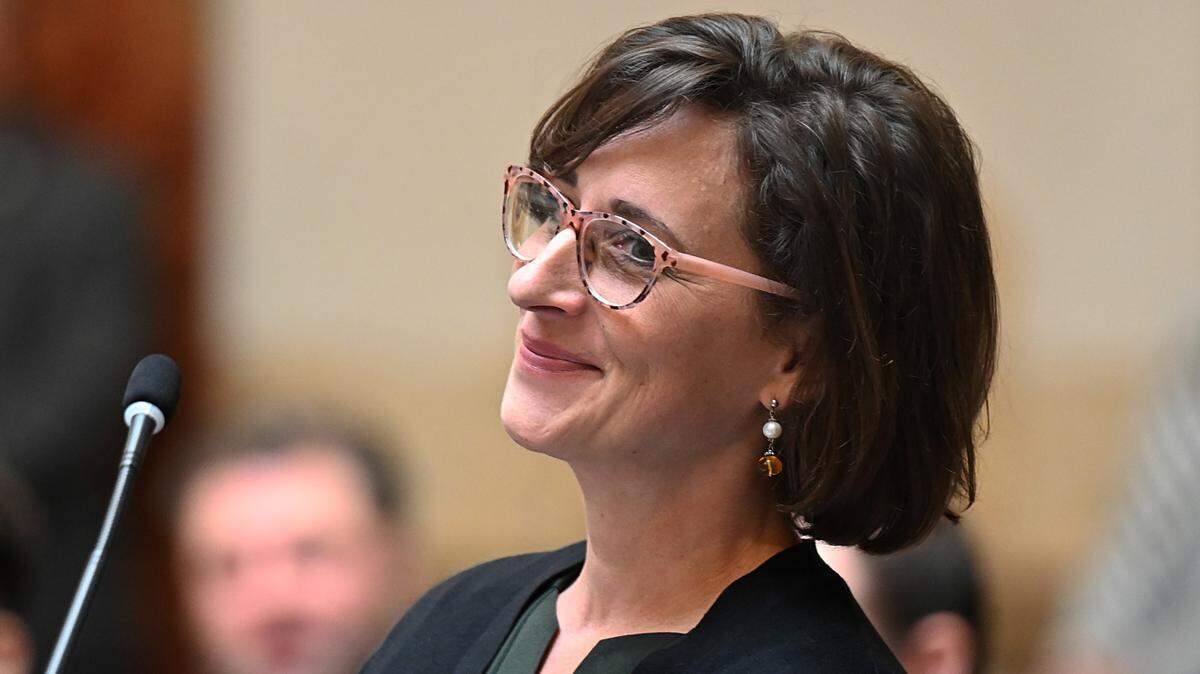
A pair of bills filed by a Republican state senator aim to dismantle diversity, equity and inclusion practices in Kentucky’s state and local governments as well as public schools.
Senate Bill 164, filed Thursday by Sen. Lindsey Tichenor, R-Smithfield, would block all levels of government from “providing preferential treatment” to individuals or groups based on race, sex, color, or national origin. It would also prohibit state and local government agencies from “requiring or incentivizing” a person to attend a DEI training, or from allocating resources to “establish or maintain diversity, equity and inclusion offices.
Tichenor’s Senate Bill 165 would apply these same prohibitions to the Kentucky Department of Education, school districts, public schools and cooperative boards, and then some. Staff and faculty in these settings could not disseminate any “research, work product or material that promotes or justifies discriminatory concepts of diversity, equity and inclusion.”
Both bills authorize the attorney general to bring action to compel compliance, and establish a “cause of action” for individuals to file civil action, as well as “permit recovery or monetary damages for a willful and intentional violation.”
Lastly, Tichenor’s proposals would require the Kentucky Department of Education to eliminate its Office of Diversity, Equity, Inclusion and Belonging and state government to rename its Office of Diversity, Equity, Equality and Training the Office of Employee Training.
“Kentucky’s schools should be centers of learning and academic excellence, not arenas for political ideology,” Tichenor said in an emailed statement to the Herald-Leader.
“Diversity is one of America’s greatest strengths, and true inclusivity means treating every student with fairness and respect, rather than forcing ideological agendas that divide us,” she added. “Excellence comes from high standards, hard work and merit-based achievement, and that is exactly what we are working to restore in Kentucky’s schools and government institutions.”
Both bills, she added, would help these agencies avoid getting hemmed in by the “politics of the moment” and “move beyond division.”
Fayette County Public Schools has an office of “Unity, Belonging and Student Efficacy,” which aims to “unify and elevate the entire school community with a targeted and strategic focus on historically marginalized groups,” according to its website.
Lexington-Fayette Urban County Government also has an Office of Diversity and Inclusion, which, according to its website, “works to promote an inclusive workplace culture” and “seeks to create an environment in which each employee feels respected, valued and appreciated for their own identity.”
The effort to eliminate and curb DEI offices and practices is a unified one among conservatives nationwide, including President Donald Trump, who on his first day in office, signed executive orders to do just that. In one of Trump’s executive orders that dismantles federal DEI offices, he said diversity, equity and inclusion policies have “demonstrated immense public waste,” and are “illegal and immoral.”
Since joining the Kentucky Senate in 2023, Tichenor has been a vocal opponent of DEI initiatives.
In November, Tichenor was one of 14 current or incoming Louisville-area Republican lawmakers to demand the resignation or firing of Jefferson County Public Schools Chief Equity Officer John Marshall over statements on social media that were later scrutinized by a prominent right-wing account.
“In the current heated political climate of America, it is absolutely unacceptable for a senior JCPS leader to stoke the fires of hatred and division rather than set an example of bringing students together in peace,” the group wrote in a statement.
Marshall did not resign, and is still listed on JCPS administration website.
Tichenor was also among a small group of state senators that criticized a DEI position statement considered by the accreditation organization for Kentucky’s colleges.
“Unfortunately, DEI is a misnomer that does not contribute to the equal opportunities and inclusive environments our post-secondary institutions need to create a 21st-century workforce,” the group wrote in a December 2023 statement.
Anti-DEI billed filed in House earlier this week
Tichenor’s bills were filed a day after a House Republican revived her efforts to dismantle DEI initiatives at Kentucky colleges and universities.
House Bill 4 from Rep. Jennifer Decker, R-Waddy, bars public colleges and universities from spending any money on DEI initiatives and requires those institutions to close DEI offices and eliminate all related staff by June 30, 2025.
Decker’s bill would also block universities from requiring students or staff to sign a diversity statement, attend a DEI training session, or complete an academic course “dedicated to the promotion of differential treatment or benefits conferred to individuals on the basis of religion, race, sex, color or national origin.”
Like Tichenor’s bills, Deckers authorize the attorney general to intervene and equip individuals with a “private right of action” to seek compliance through the courts.
UK, NKU dissolved offices last year after three anti-DEI bills failed
The bills come after three similar bills failed to pass in 2024.
Legislation targeting DEI efforts has been proposed in 29 states since 2023, according to the Chronicle of Higher Education.
Though no law was passed that would have put an end to DEI last year, some Kentucky colleges over the summer took action of their own. The University of Kentucky dissolved its Office of Institutional Diversity in August, with President Eli Capilouto saying he heard feedback from lawmakers who expressed concerns about the role of DEI at UK, and that similar bills would again be filed.
Capilouto and other university president publicly opposed the bills targeting DEI during the 2024 session, with Capilouto calling the bills “deeply concerning.”
Shortly after UK dissolved its office, Northern Kentucky University dissolved its Office of Inclusive Excellence following the resignation of the university’s chief diversity officer. NKU President Cady Short-Thompson referenced similar concerns as Capilouto about future bills targeting DEI.
This story was originally published February 14, 2025 at 11:15 AM.