In wake of UnitedHealthcare shooting, KY bill would conceal some insurance denial records
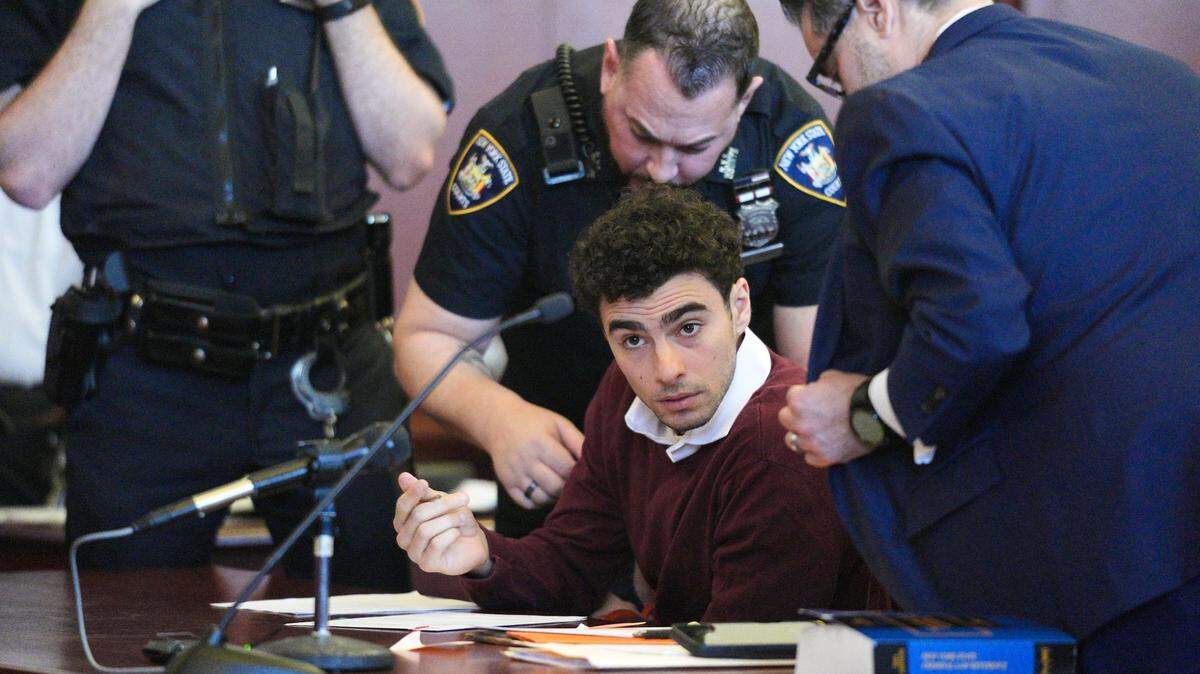
Following the shooting death of UnitedHealthcare CEO Brian Thompson in New York City last December, Kentucky lawmakers want to conceal some information about insurance denials from public disclosure.
The House Judiciary Committee on Wednesday approved a rewritten version of House Bill 662, a bill that originally was intended to exempt from public disclosure certain personal information about federal judges and members of their immediate families, including their dates of birth, home addresses, phone numbers and email addresses.
Instead, the bill’s sponsor, state Rep. John Blanton, offered a committee substitute that kept the shield for federal judges, and extended it to state judges, but also went in a much different direction.
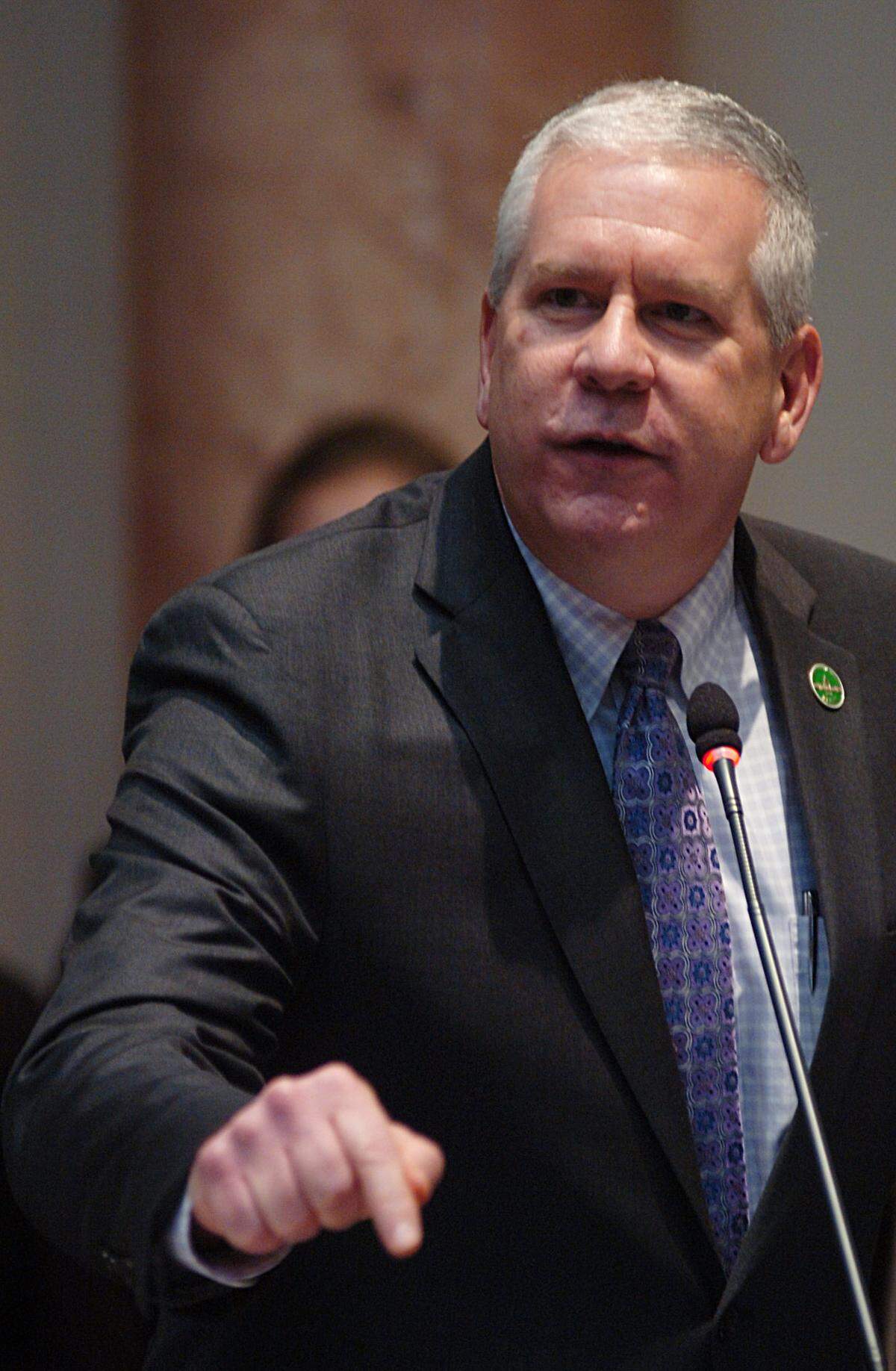
Blanton’s bill would now require that medical license numbers of insurance company doctors be removed from paperwork provided to customers after their claims are decided, so customers could not identify the doctors who recommended a denial of their claims.
Doctors also would no longer sign the denial letters that were sent to customers.
“We seen what happened up in New York back in the summer with the insurance guy,” Blanton, R-Salyersville, told the committee as he explained his bill.
The suspect in Thompson’s shooting, Luigi Mangione, made statements condemning the high costs of the U.S. healthcare system and its fixation on profits. Mangione has been charged with murder and stalking.
Blanton said he might further amend his bill on the House floor so hospitals and doctors could have access to the information if they think it’s necessary in order for them to file an appeal after a denial.
The bill is not meant to get in the way of claims appeals, Blanton said.
Investigative news outlets and unhappy consumers have looked into the backgrounds of doctors who deny insurance claims in order to judge their qualifications in those cases, checking them for disciplinary problems, inadequate educations or unrelated specialty areas.
But members of the House committee said there is no legitimate reason for the public in Kentucky to know the names of doctors who work for insurance companies.
“I think it’s important to protect the identity publicly for the reasons that you state, with the United CEO being murdered and that public kind of doxxing. It’s not necessary for that signature to be public necessarily,” said state Rep. Kimberly Poore Moser, R-Taylor Mill.
Cory Meadows, a lobbyist for the Kentucky Medical Association, told the committee his group’s desire is for the bill to “protect certain information from being revealed to the public” as long as hospitals and doctors still have access to it as part of the claims appeal process.
Only one lawmaker raised potential concerns.
State Rep. Lindsey Burke, D-Lexington, said that if only people inside the medical community know the identities of the decision-makers in the insurance claims process, she wondered who “would be, for lack of a better explanation, taking the role of sort of like an investigative role or a journalistic role in looking at patterns of denials, so we don’t find that there’s one bad actor who’s consistently denying things that otherwise would be approved.”
Meadows, the lobbyist, assured Burke that the medical community can be trusted to advocate for patients.
“I think what you’re kind of describing is an advocate, right? An advocate for patients,” Meadows told her. “We’re proud to say that our physicians act on a daily basis to be advocates for their patients. So that’s why we feel like them (the patients’ doctors) at least getting this information is absolutely critical.”
The committee voted 15-to-0, with one “pass” vote from Burke, to send the bill to the House floor for further action.