Advocates say KY women will ‘bear the brunt’ of Medicaid cuts in ‘big, beautiful bill’
AI-generated summary reviewed by our newsroom.
- Medicaid cuts in the bill could shutter rural KY hospitals, affecting women's care.
- Nearly half of KY births in 2023 were covered by Medicaid-funded services.
- Planned Parenthood warns bill would reduce care for low-income women on Medicaid.
Rural Kentucky women will be “bear the brunt” of the impact if Congress passes a bill backed by President Donald Trump that would slash Medicaid spending by billions, Kentucky Lt. Gov. Jacqueline Coleman said Monday.
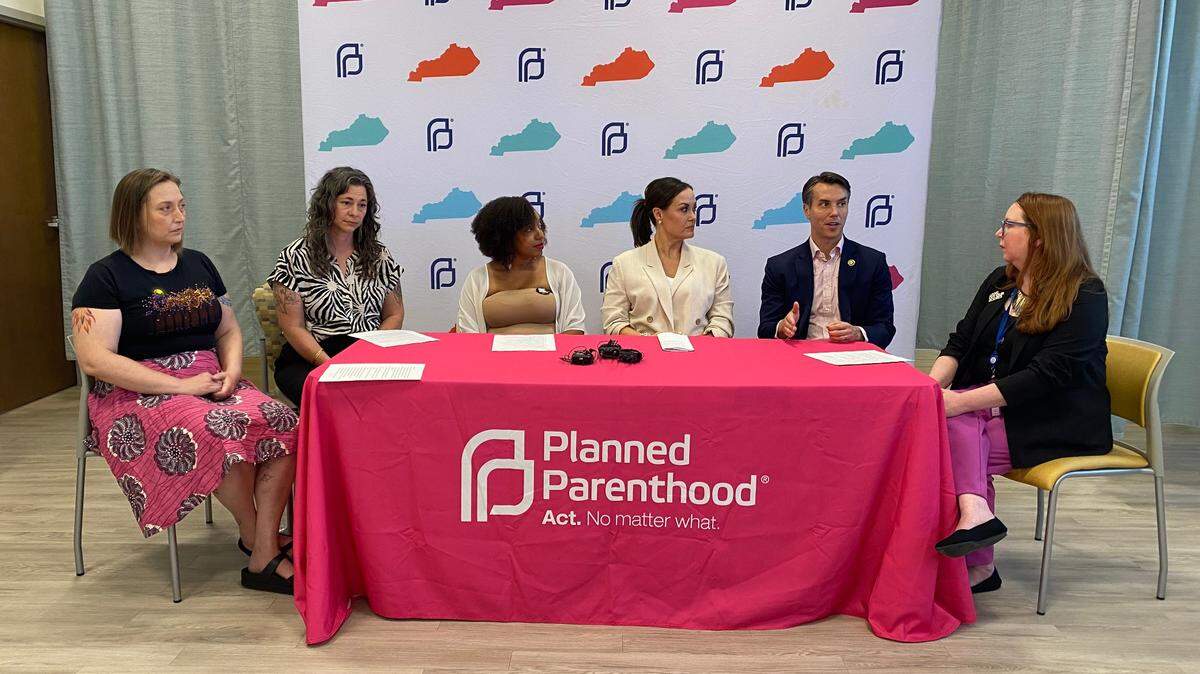
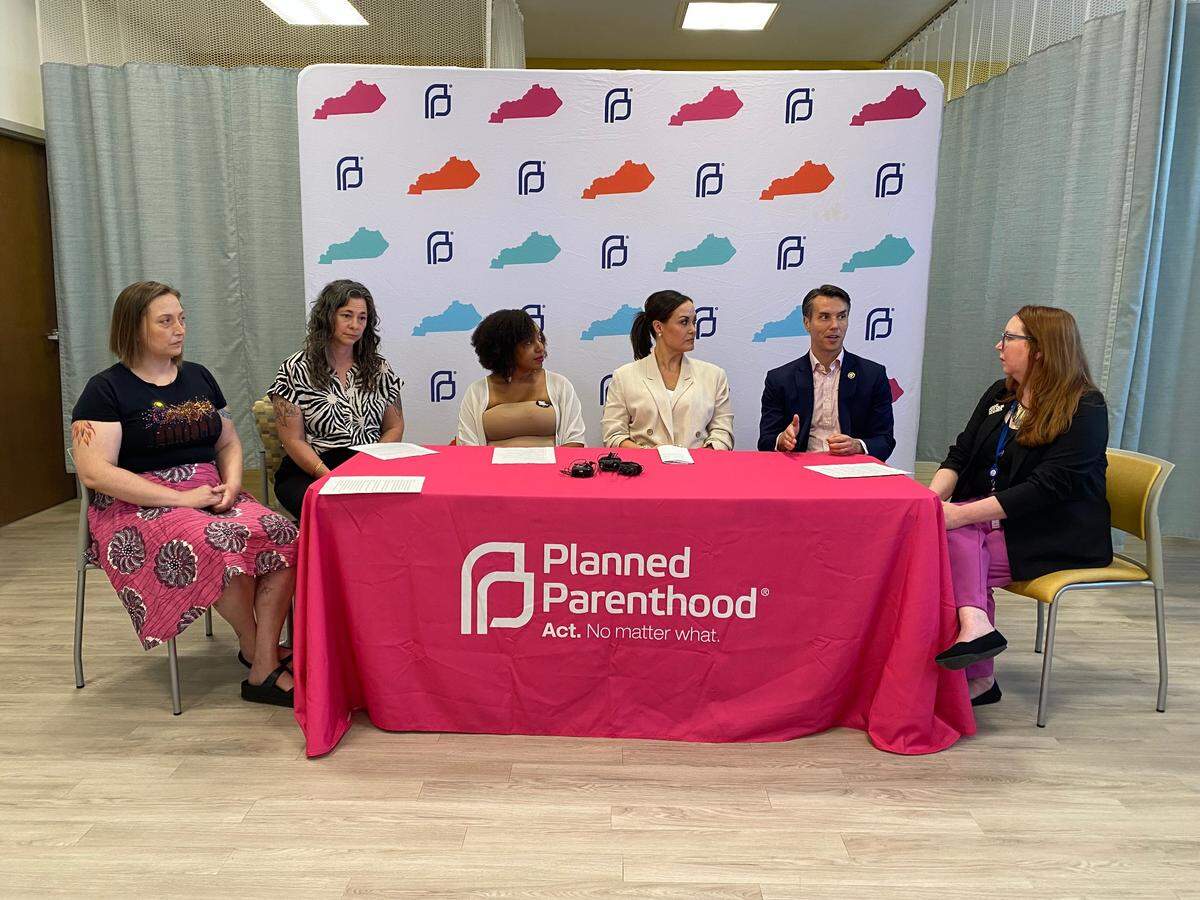
“If Medicaid is defunded, rural hospitals will close. If rural hospitals close, it will be the women who bear the brunt of it,” Coleman said at Planned Parenthood in Louisville Monday afternoon at a news conference.
Coleman was joined by Planned Parenthood staff, patients and U.S. Rep. Morgan McGarvey, D-Louisville, to highlight the bill’s potential impacts on the federal government’s health insurance program, which covers approximately 79 million low-income adults, children and people with disabilities.
Trump’s “One Big Beautiful Bill Act,” which is now in the Senate, also proposes cutting Medicaid funding to Planned Parenthood.
In Kentucky, 34% of Planned Parenthood’s patients are on Medicaid.
Half of the state’s children — nearly 492,000 — and roughly a quarter of all adults are covered by Medicaid. The bill proposes cutting Medicaid, in part, by adding a work requirement effective Dec. 31, 2026 that will boot millions of people from receiving coverage.
Coleman, who had a double mastectomy in December 2023 because of a family history of breast cancer, said she would not have had access to routine mammograms without health insurance.
“In the aftermath of my health scare, I just kept asking what if: what if I weren’t so lucky?” Coleman said. “What if I didn’t have access to health insurance, what if I lived in Letcher County or Trigg County — places without hospitals? We can all understand the realities of what cutting Medicaid would do.”
Nearly half of Kentucky women rely on Medicaid to cover the cost of childbirth, she added. In 2023, 44% of all childbirths in Kentucky were paid for by Medicaid, according to KFF — higher than the national rate of 41%.
“Without Medicaid, low-income women would likely not be able to access the prenatal services they need, or the preventative care,” Coleman said.
Gov. Andy Beshear, a Democrat and vice chair of the Democratic Governors Association, has called the bill an “attack on rural America.”
Trump’s bill does not have full backing of his party.
Some of in Kentucky’s GOP delegation have been the most public with their criticism: Rep. Thomas Massie and Sen. Rand Paul have both warned the bill will raise the national debt by trillions. Massie was one of two Republicans who voted against the bill in the House, and Paul has signaled he will vote against the bill in the Senate.
But the bill’s proposed cuts to Planned Parenthood are likely to get less sympathy.
Earlier this year, Paul filed his perennial bill to defund Planned Parenthood — a move driven by the health organization’s providing of abortions and gender-affirming health care. Planned Parenthood also provides many other routine services including prenatal and postnatal care and sexually transmitted infection testing and treatment.
“Planned Parenthood provides basic health care services for women and in part women who cant always afford to get health care some other place,” McGarvey said Monday. “This bill is denying women in Kentucky and across the country access to health care, period.”
McGarvey has previously called the bill “immoral” because it threatens to “disproportionately harm our most vulnerable.”
Anna Collins, a patient of Planned Parenthood, said her Medicaid coverage “helped keep me healthy, and Planned Parenthood provided a space and quality care when I needed it most.”