KY child care is struggling. Lawmakers are rushing this winter to find solutions
AI-generated summary reviewed by our newsroom.
- KY lawmakers are sponsoring many bills to improve child care availability
- The biggest, HB 6, could improve employee training and create child care ‘micro-centers’
- Other ideas include more flexible state inspections, outdoors nature-based child care
Kentucky lawmakers are pushing an array of bills in the 2026 General Assembly to help the state’s beleaguered child care industry, which has seen a steady climb in abuse and neglect cases since the COVID-19 pandemic as it struggles to find enough quality employees.
The most ambitious of the measures is House Bill 6, a response to recommendations made last year by the Kentucky Chamber of Commerce. In a report, the Chamber found that up to 28,000 Kentucky parents could join the workforce if they had better access to affordable child care.
The House Committee on Families and Children voted 12-0 to approve HB 6 on Thursday and send it to the House floor.
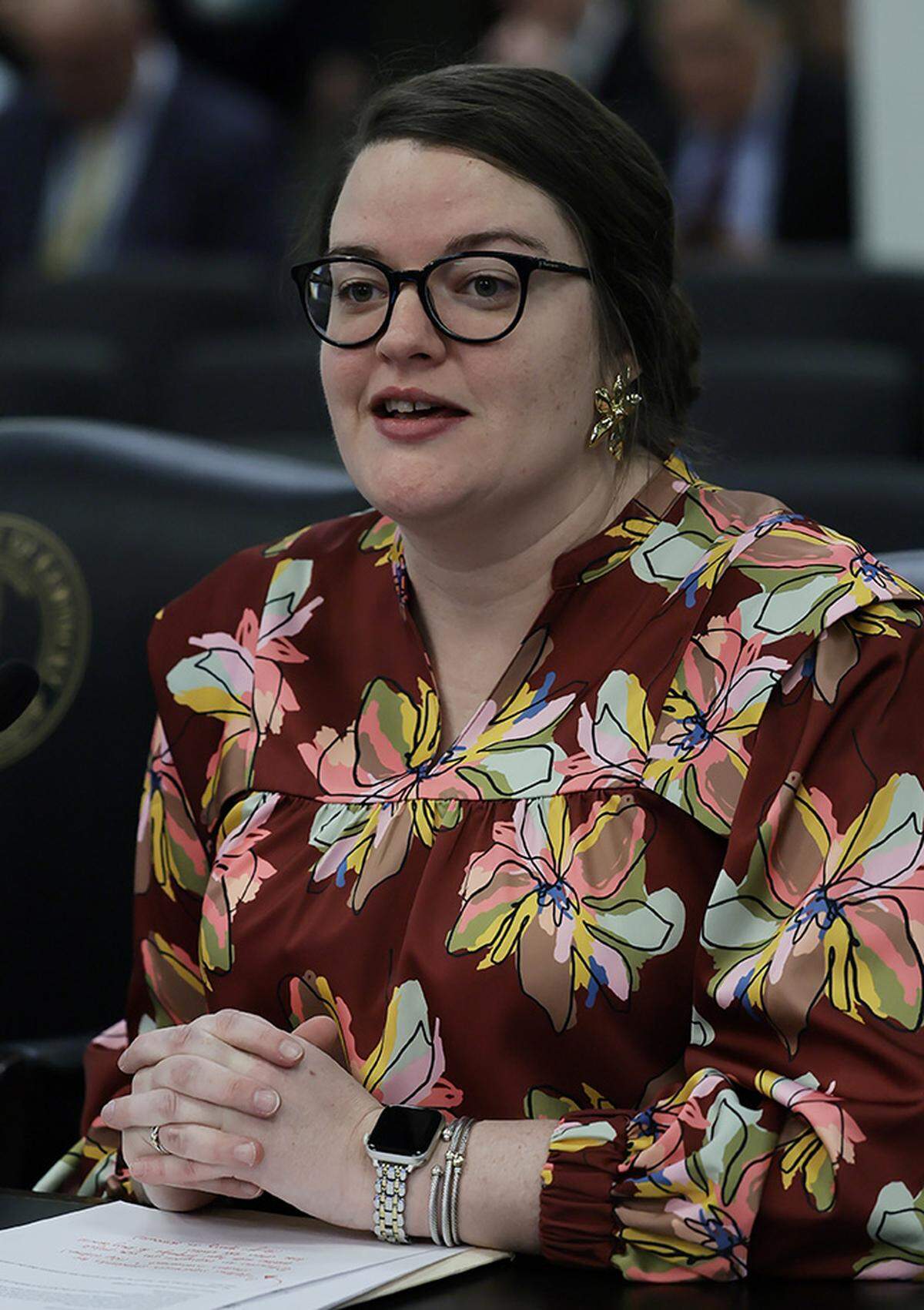
“These are long-term reforms, not quick fixes,” the bill’s primary sponsor, state Rep. Samara Heavrin, R-Leitchfield, told the committee.
“We recognize that child care can be the cost of a mortgage payment. We want to be helpful on that,” Heavrin said.
Among its many provisions, the 43-page bill would:
- Strengthen the state’s five-star quality rating system that parents can consult online to evaluate child care centers, by adding more criteria and offering training and incentives to help facilities improve their ratings.
- Authorize up to 10 child care “micro-centers” around Kentucky that could hold from four to 24 children in poorly served “child care deserts,” including rural areas, opportunity zones and college campuses, or targeting parents with nontraditional work hours. Micro-centers could offer fewer hours and amenities, like playgrounds.
- Require at least three hours of annual training for child care employees in how to work with children who have special needs.
- Require the state to produce monthly, quarterly and annual reports that track licensed child care centers around the state, their capacity and enrollment, potential demand for child care around the state and all state and federal spending on child care assistance.
- Require the state to establish a voluntary “faith-based” designation for child care centers, to be displayed for parents to see in public child care databases.
- Privatize the administration of the state’s Employee Child Care Assistance Partnership, which subsidizes child care for private employers, and hire regional nonprofits to promote it.
- Make permanent, by writing into state law, a widely praised experimental project in Kentucky that has provided child care workers with free child care, an incentive to stop them from taking better paying jobs elsewhere.
Low wages, worsening abuse
Sarah Vanover, policy and research director at Kentucky Youth Advocates, told the Herald-Leader that several parts of Heavrin’s bill have the potential to improve child care quality and affordability.
In particular, better training in how to work with children with special needs could reduce the reports of child care abuse that have been on the rise, Vanover said. Abuse often happens when employees overreact to a child with disabilities who misbehaves, creating stressful situations, she said.
“Our special ed population of kiddos, kids with potential disabilities that are already diagnosed, gets expelled from child care programs, and they get abused in general, three to four times more than typically developing kids,” Vanover said.
“Every child care provider in the state has to do 15 hours of annual training every year, but there are no requirements on what that training is about,” she said. “House Bill 6 would ask that three of those annual hours focus on special education. And it would also ask that early interventionist, like a diagnostician or therapist from a local school district, would be able to come into the child care program and give on-site therapy support if the parent gets permission for that.”
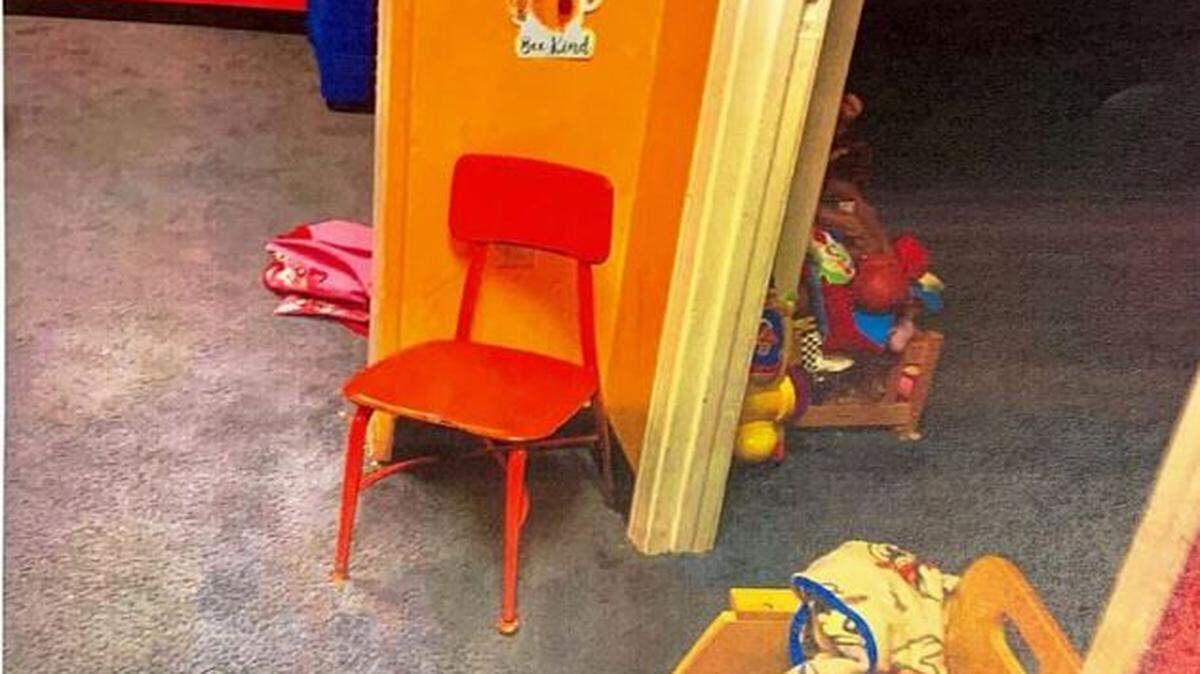
The Herald-Leader reported last June that Kentucky has, without public discussion, seen a steady climb in child care abuse and neglect. Problems identified by the newspaper include injuries to children such as broken bones, burns, bruises and cuts.
Part of the problem is a lack of experienced child care employees, the Herald-Leader found.
One-third of the child care industry’s workforce in Kentucky disappeared between 2019 and 2024, discouraged by an average hourly wage of only $13.98, scant benefits and stressful job duties. In some of the incident reports reviewed by the newspaper, staff accused of mistreating children were barely out of high school and had only a few months of relevant job experience.
In 2024, the legislature passed a two-year state budget with $94 million in state aid for child care, including a subsidy for low-income parents and funds for the child care worker and employee assistance programs. Child care advocates say they hope to see at least that much state aid in the budget finalized this winter.
Flexibility on state inspections
Another pending child care bill this session is Senate Bill 160, sponsored by state Sen. Danny Carroll, R-Paducah, which would give child care centers a break during inspections by the Cabinet for Health and Family Services.
State inspectors would have to consider more factors before issuing penalties, such as whether a violation was the fault of an errant employee, not the facility, and whether the facility voluntarily reported the violation to the state.
Carroll’s bill would also require the cabinet to work closely with new child care centers to support them during their first six months and not issue penalties unless a violation was willful, committed after the cabinet provided clear instructions, or unless they put a child at risk.

“We want to set them up to succeed, not fail, because these services are crucial,” Carroll told the Senate Families and Children Committee on Feb. 10.
“There have been suspensions and revocations of licenses that I don’t think the cabinet really wanted to do, but due to the current language, they were forced to do that,” he said.
The bill would apply retroactively to actions currently pending at the cabinet, Carroll added.
The Senate committee passed Carroll’s bill and sent it to the full Senate, which approved it Feb. 12. It proceeds to the House.
Other child care ideas proposed
House Bill 190, sponsored by state Rep. DJ Johnson, R-Owensboro, would let child care centers count bathrooms and hallways toward their usable square footage, which determines how many children they can serve.
This option would be available only to higher-rated facilities without any violations on their record over the previous five years, Johnson told the House Committee on Families and Children, which approved it Feb. 5.
House Bill 321, sponsored by state Rep. Vanessa Grossl, R-Georgetown, would open the state’s subsidy for low-income parents — a program called the Kentucky Child Care Assistance Program — to smaller home-based child care centers and family child-care home providers.
Grossl is also sponsoring House Bill 322, which would exempt child care centers on or around Fort Campbell and Fort Knox from state inspection if the U.S. Department of Defense already regulates them.
And Grossl is sponsoring House Bill 496, which would create a new kind of state-licensed child care in Kentucky — an “outdoor nature-based early learning and child-care program.” These programs would keep children outdoors at least half the time, but they would need an approved shelter for bad weather, such as a building, a covered pavilion or a tarp.
Grossl’s bills have been assigned to the House Committee on Families and Children.
House Bill 328, by state Rep. Nick Wilson, R-Williamsburg, would — like Carroll’s advancing Senate bill — give child care centers a break during state inspections.
Under the bill, if violations could be corrected while the inspector is still present, then the inspector would have to erase it from her report. Records would be expunged if a facility successfully appealed violations.
However, the bill also would add close to a dozen new child care standards to be checked annually by state inspectors, such as sleeping and napping requirements, first aid and medicine standards, and toilet and diapering standards. Inspection results from the previous three years would be made public on a state website.
And Wilson is sponsoring House Bill 329, to require the Cabinet for Health and Family Services to forward to law enforcement any reports it receives about abuse and neglect at child care centers.
Wilson’s bills have been assigned to the House Committee on Families and Children.
This story was originally published February 13, 2026 at 5:00 AM.