KY lawmakers try tort reform again with new bill backed by business groups
Business groups are making another push for “tort reform” in Kentucky, asking the General Assembly to place new restrictions on the right to sue and collect damages in court.
But this time, the groups say, language in Senate Bill 195 is tailored narrowly enough to overcome the legal challenges that usually frustrate them on tort reform. Kentucky’s Constitution guarantees its citizens access to the courts, and it specifically prohibits the legislature from capping the damages that courts can award.
“This bill makes targeted, statutory updates to improve consistency and efficiency while not capping damages and not limiting access to the courts. It’s about improving how the system works, not taking away anyone’s constitutional rights,” said Sawyer Coffey Noel, a spokeswoman for the Kentucky Chamber of Commerce.
State Sen. Craig Richardson, R-Hopkinsville, filed the bill on Feb. 12 with lobbying support from the Kentucky Chamber, insurance companies, hospitals and others unhappy about expensive jury verdicts that can result from someone being hurt or killed.
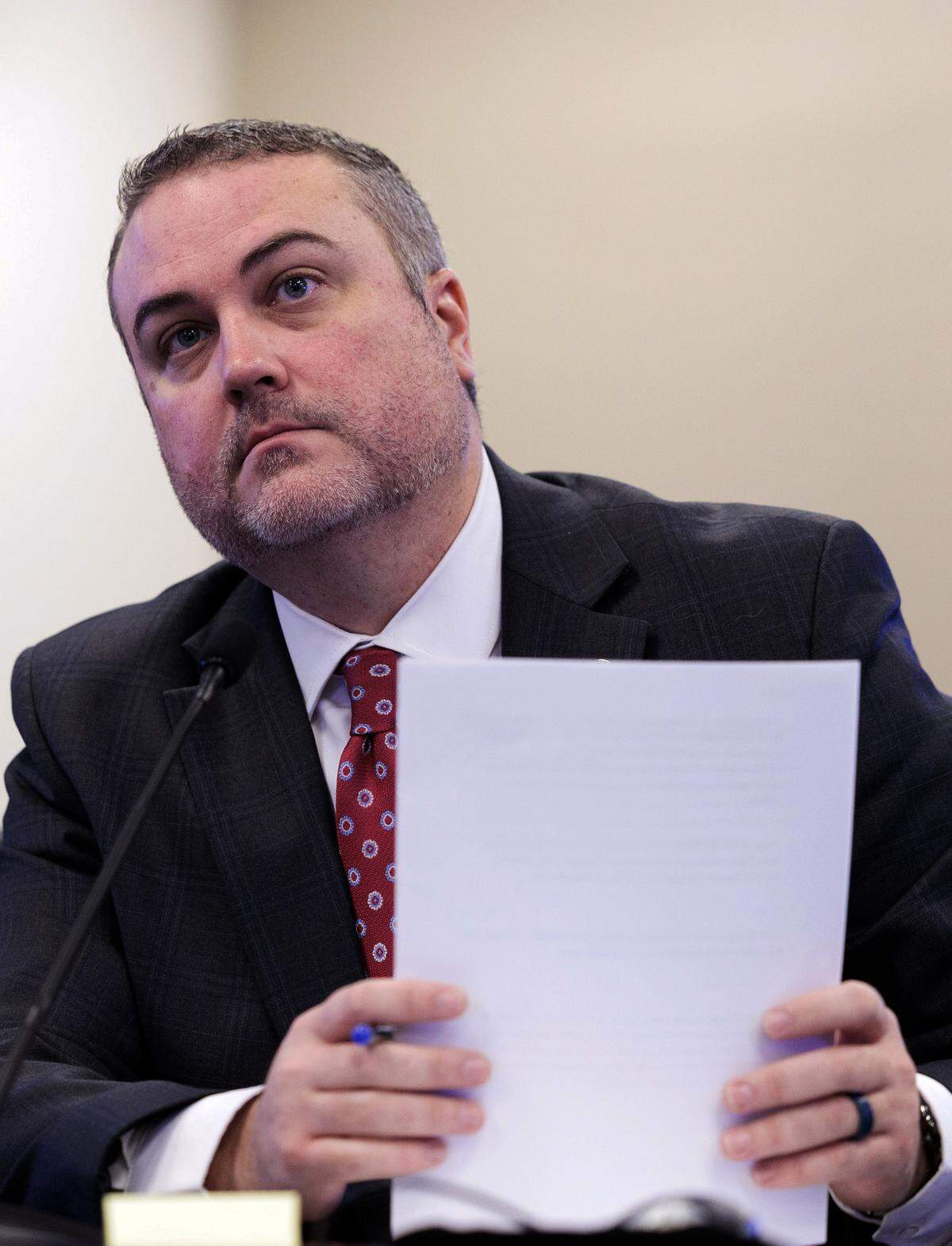
The bill, which has five co-sponsors, has not yet received a Senate committee hearing.
What the bill would do
At 29 pages long, the bill would change several rules under which lawsuits currently operate, including:
- Shifting the responsibility in the legal concept known as “comparative fault,” where a defendant is required to pay for the percentage of harm they cause someone. Instead, under the bill, the plaintiff would not be entitled to collect any damages if 50% or more of the fault for an incident was their own.
- Allowing defendants to spread the blame for damages to others who aren’t a party in the lawsuit, including governments entitled to sovereign immunity, possibly lessening their own responsibility.
- Making it harder for plaintiffs to pursue “bad faith” claims against other people’s insurance companies when they’ve had a hard time collecting on those insurance policies.
- Letting defendants admit into evidence different elements that could reduce or eliminate a plaintiff’s damages for vehicle-related incidents, such as the plaintiff’s failure to wear a seat belt properly or obey traffic laws.
- Forbidding plaintiffs from entering into evidence information about a defendant’s liability insurance coverage limits — in other words, telling the jury what the defendant’s insurance company agreed to pay if the defendant was found to be at fault.
- Limiting the liability in medical injury cases to whatever unpaid sums would satisfy the plaintiff’s insurance claims, not counting the premiums and other out-of-pocket costs they’ve already paid themselves.
- Creating more detailed procedures for pursuing lawsuits, with written notifications to the defendants, a full explanation of the damages, signed authorizations to produce paperwork, opportunities for objection and strict deadlines, with failure to follow the procedures being grounds for dismissal of the case.
Past tort reform efforts
The Senate bill is intended to make it harder for Kentuckians to sue after they get hurt, said Maresa Fawns, chief executive of the Kentucky Justice Association, which represents trial lawyers.
For example, Fawns said, the complicated new procedures proposed for initiating lawsuits are only “gotcha red tape,” meant to trip up plaintiffs and get their cases dismissed on technicalities long before a jury can hear any of the evidence.
There is no legitimate problem with the current method of filing and serving lawsuits, she said.
“Put simply, this bill takes the responsibility away from the person who caused the harm and puts it on the person who was harmed — and on the taxpayer, because Medicaid pays for many of the medical costs in this state,” Fawns said.

Tort reform, like public funding for private schools, is one of the few conservative agenda items where the Kentucky legislature’s Republican supermajority has been unable to deliver for its backers.
When lawmakers have tried to limit lawsuits — for example, requiring medical malpractice suits first to be approved by state-appointed panels composed of doctors — their efforts have been tossed by the courts as unconstitutional.
It’s time to try again, Richardson said in a prepared statement announcing his bill last week.
“Kentucky has made historic progress,” the senator said.
“We’ve delivered income tax reduction, education reform, right-to-work protections and pro-growth policies that have helped bring opportunity to all communities across the commonwealth,” he said. “Modernizing our legal liability system, while putting clear ethical rules into statute, is the next and necessary step to keep that momentum going.”
A spokeswoman for the state’s insurance industry disputed that Richardson’s bill is meant to deny anyone their day in court.
“This bill doesn’t take anyone’s rights away. It simply ensures that damages reflect the real medical costs and not inflated numbers,” said Tara Purvis, president and chief executive of Big I Kentucky, which represents several hundred insurance agencies around the state.
“When lawsuit costs go up, claim costs go up, premiums go up and Kentucky families and small businesses usually pay the price on that,” Purvis told the Herald-Leader.