
Should GLP-1s be covered by Medicaid? Beshear and the Kentucky Senate disagree
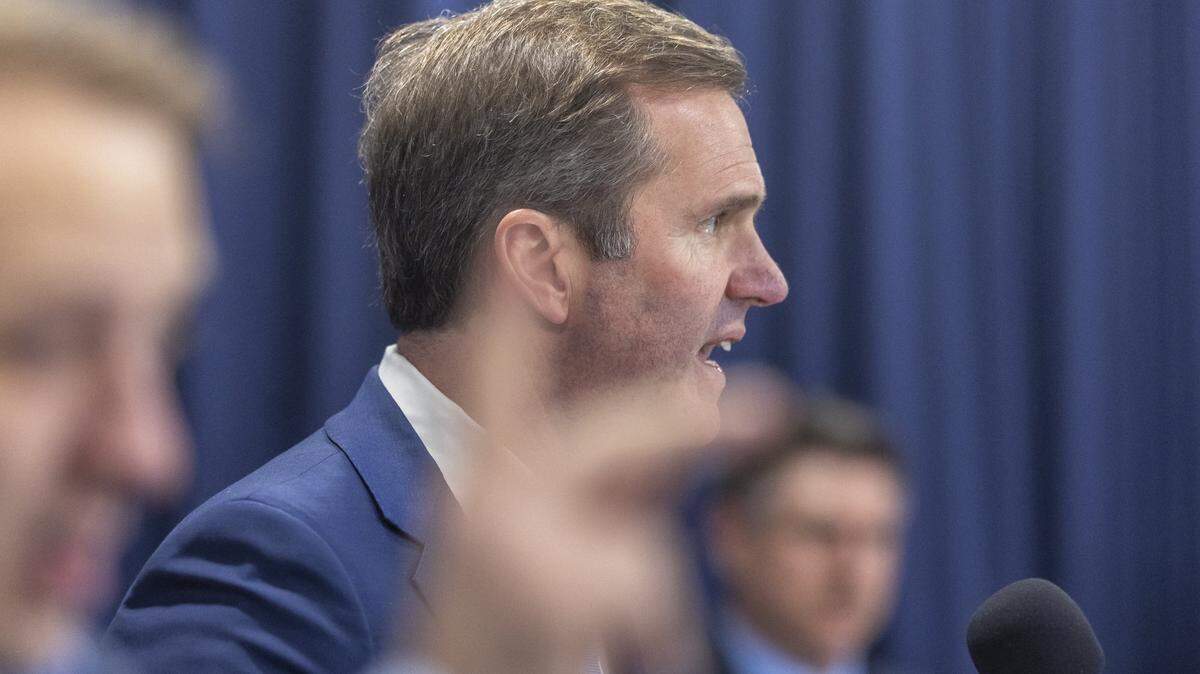
Last month, the administration of Gov. Andy Beshear quietly proposed to withdraw a prohibition on weight loss drugs from being covered by Medicaid.
The Kentucky Senate voted Wednesday to repeal that change, arguing it would cost the state too much to take on the cost of increasingly popular GLP-1 drugs, which inhibit appetite and often lead to weight loss. Popular brands of the drug include Ozempic, Wegovy, Mounjaro and Zepbound.
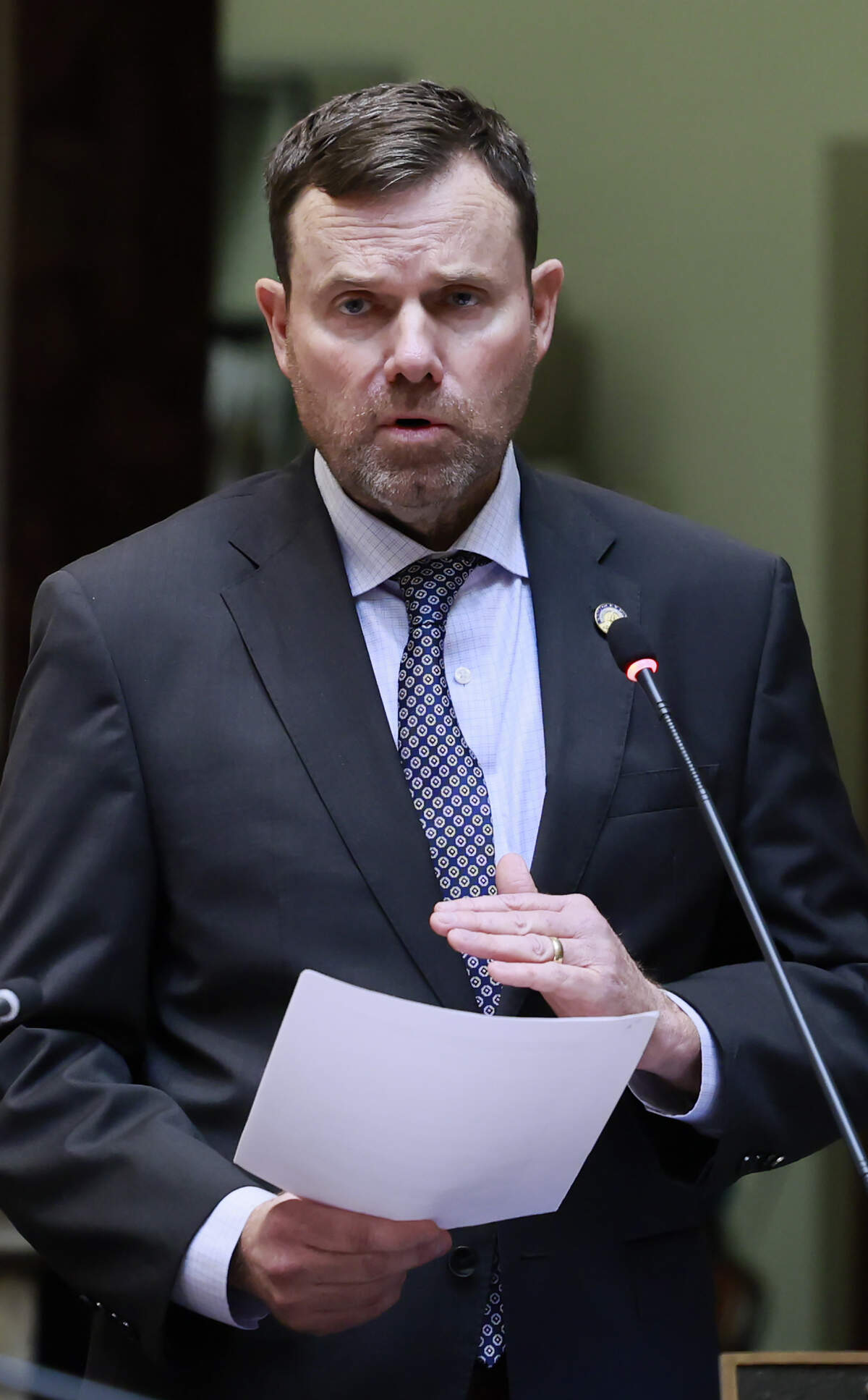
Senate Bill 65, from Sen. Stephen West, R-Paris, would nullify a handful of administrative regulations that were found deficient by the Legislature’s Administrative Regulation Review Subcommittee. The bill passed 26-6, with all present Republicans voting yes and all six Democrats voting no.
Previously, drugs “used for anorexia, weight loss, or weight gain” were on the list of drugs excluded from Medicaid coverage. However, a Feb. 9 proposed regulation from Beshear’s administration struck it from the list, which would still include drugs used for fertility, cosmetic purposes, erectile dysfunction and more.
“The administration wanted to expand Medicaid coverage for GLP-1s. Doctors were already allowed to prescribe GLP-1s, but this expanded it further. We felt it could have been a huge cost and a huge policy discussion,” West, chair of the Administrative Regulation Review Subcommittee, said.
More and more Americans are clamoring for GLP-1s, as news of their effectiveness in helping people with obesity has spread. They’re considered one of the most significant pharmaceutical breakthroughs of this generation, though long-term side effects are still largely unknown. Wegovy became the first brand specifically approved to tackle obesity in 2021.
But GLP-1s are expensive, as West noted. The list prices of these drugs currently hovers around $1,000 per month.
Also, private insurance market hasn’t quite met the demand. Only about 20% of employers cover the drugs with their private insurance, causing some companies to partner with telehealth agencies and split the cost.
The drugs are often prescribed for Type-2 Diabetes and other weight-linked health issues.
As of January, only 13 states covered them via Medicaid.
.jpg "west031225 (2).jpg")
A statement late last year from Obesity Action Center said Kentucky needed the coverage to tamp down health costs associated with obesity.
“Kentucky ranks 9th in the nation for obesity, affecting more than 34% of adults and costing the state an estimated $36 billion annually. Removing this outdated prohibition is a vital step toward modernizing obesity care in Kentucky. Allowing Medicaid to consider coverage for evidence-based treatments, including obesity medications, will give healthcare providers more tools to help patients manage this chronic disease effectively,” the organization wrote.
What else to know about Senate Bill 65
The GLP-1 regulation change is only one of six regulations that would be nixed under Senate Bill 65. The others involve “tobacco, nicotine, or vapor product licenses,” a Transportation Cabinet regulation, another relating to controlled substance monitoring and one on relative or fictive kin caregivers.
Multiple senators spoke up on the fictive kin caregiver section. The regulation added language on the program stipulating it would operate “to the extent the General Assembly appropriates State General Funds necessary for the cabinet to implement the services.”
Kinship caregivers are raising an estimated 55,000 children in Kentucky. Beshear has argued that the legislature has not provided the funding to carry out a 2024 state law’s intent — allowing those who take temporary custody of children to become eligible for foster care payments. The GOP-led legislature has pushed back on the governor’s assertion.
This story was originally published March 12, 2026 at 10:07 AM.