Report: Guards at KY prison planted weapon, used racist slurs, tossed contraband
AI-generated summary reviewed by our newsroom.
- Investigation substantiated planted weapon, slurs and tossed contraband.
- Probe led to four firings and three reprimands among Southeast State staff.
- Whistle-blower’s letter spurred probe when staff alleged retaliation and cover-ups.
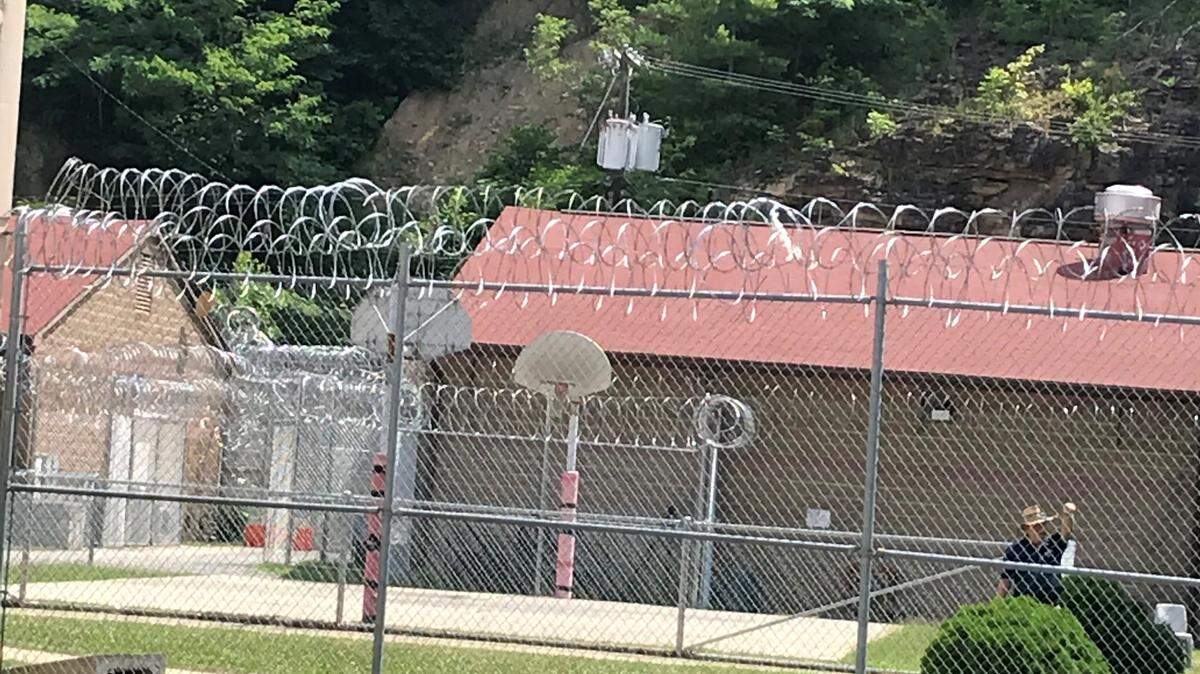
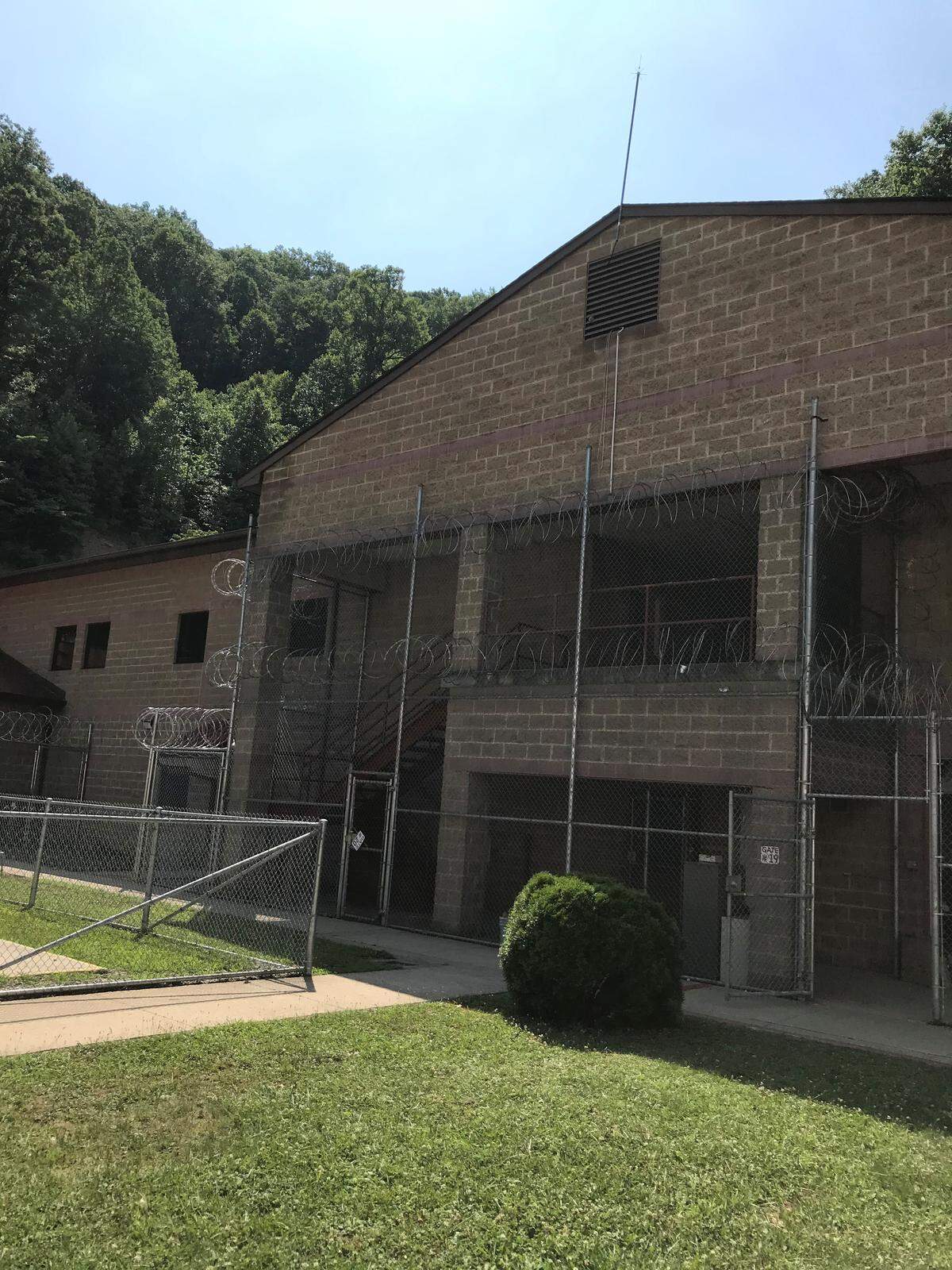
Guards at Southeast State Correctional Complex, a Kentucky state prison in Floyd County, abused their authority by planting a weapon on an inmate, using racist slurs toward Black inmates, daring inmates to fight them, tossing contraband over the perimeter fence rather than investigate it and various other offenses that were covered up for months, according to state records.
The “hostile and toxic environment” inside Southeast State came to light in July 2025, when a guard who was demoted for having an improper personal relationship with an inmate sent a letter to Corrections Commissioner Cookie Crews in Frankfort.
The guard ruefully acknowledged his “lapse in judgment.” Then he relayed four pages of alleged misconduct by his colleagues. He said the prison’s internal affairs officers ignored reports of corruption. Sometimes they even leaked the names of people who tipped them to wrongdoing, leading to retaliation, he added.
“Staff that are believed to be among those that are ‘favored’ can be reported countless times by the few that are unafraid, but nothing is ever done,” the guard wrote to Crews. “Many eventually give up reporting to IA or do not believe that any action ever will be taken.”
The guard’s allegations were investigated by internal affairs Capt Bert Bare from the Department of Corrections’ central office in Frankfort.
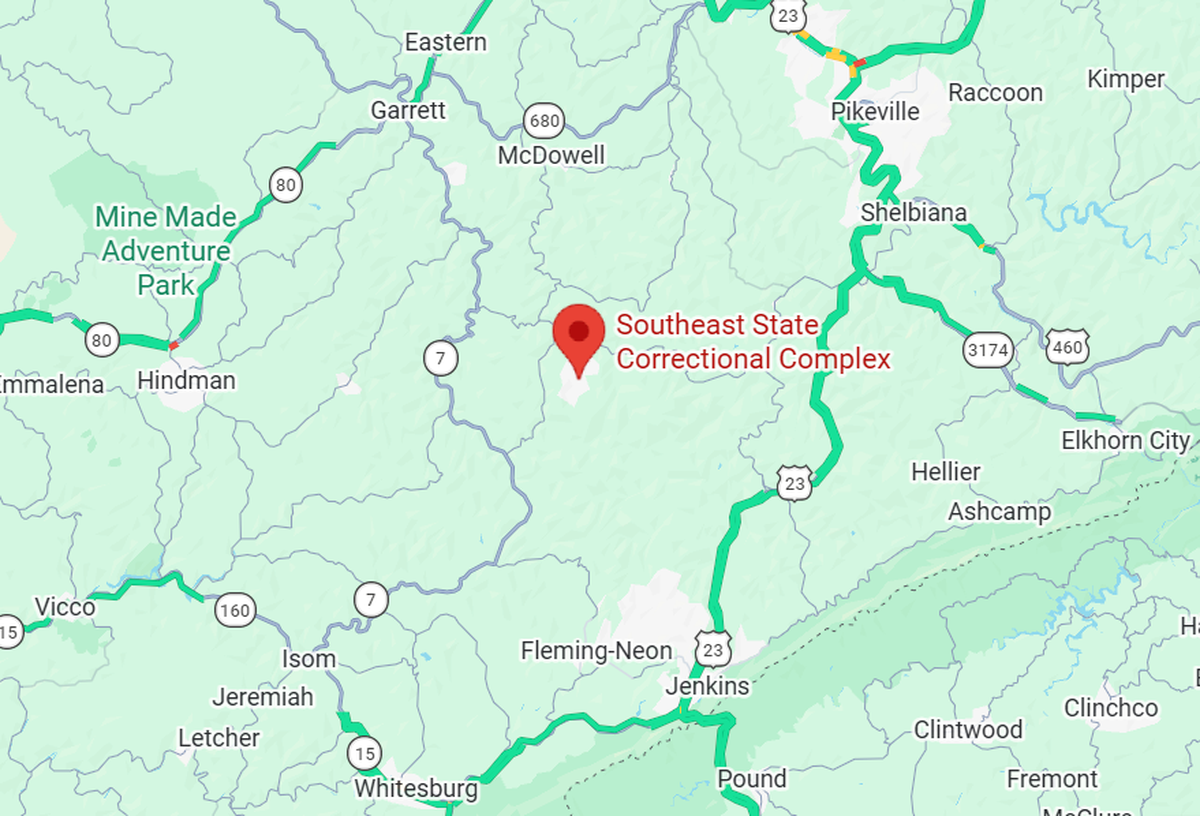
Southeast State employees told Bare about dysfunction at the 621-bed prison about 150 miles southeast of Lexington.
In particular, they said, many of the guards are divided into suspicious, insular cliques that focus on their own narrow interests.
Some once worked together at Red Onion State Prison, a supermax state prison in Wise County, Va. Others worked at Southeast State when it previously was operated by for-profit CoreCivic. (The prison campus is still owned by CoreCivic, but the state of Kentucky now leases and operates it.)
And then there are family loyalties. Many of the more than 200 employees at the prison, in a remote corner of a rural county, are relatives — including guards with family in the prison’s internal affairs office or administration.
“Most staff at SSCC are either family members or long-time acquaintances from the small Floyd County area,” Sgt. Timothy Wade, one of the officers accused of wrongdoing, said in his appeal. “This dynamic creates an environment where outsiders are left without protection from coordinated or planned false allegations.”
Bare’s investigation concluded in September 2025, resulting in at least four guards being fired — Wade included — and at least three more guards reprimanded.
The scandal hasn’t been made public until now.
The Herald-Leader recently obtained the whistle-blower’s letter with his name redacted through the Kentucky Open Records Act, along with Bare’s investigative report and the subsequent termination letters.
The Department of Corrections took the allegations seriously, spokeswoman Morgan Hall told the Herald-Leader.
“The Kentucky Department of Corrections does not tolerate any behaviors that undermine the security of a prison, the successful supervision of probation and parole clients, or public safety,” Hall said.
“When such behavior is identified, the department takes action as soon as possible to pursue disciplinary measures and, when appropriate, criminal charges,” Hall said. “All employees are expected to uphold the highest standards of professionalism, and when they fail to do so, it is taken seriously and the department responds accordingly.”
Fired guard: ‘This is statewide’
However, in interviews with the Herald-Leader, several Southeast State guards who were fired denied the misconduct of which they were accused.
Some agreed with the whistle-blower’s allegation that their prison has a culture of corruption. They noted that Southeast State saw its warden and deputy warden fired in 2024 for falsely claiming pay, including overtime, for hundreds of hours they did not work.
But the guards said they were unfairly made into scapegoats.
Wade said he’s the one who reported the whistle-blower’s fraternization with an inmate, which got the guard demoted. Wade said that resulted in his name going into the guard’s letter to the corrections commissioner last summer, as an act of revenge.
In his appeal, Wade said he also reported an inmate and a prison employee for suspected contraband smuggling, based on inmate phone calls and a cell search.
“I tried to make them aware of a lot of stuff that I was looking into over there,” Wade said. “It’s a drug pin there at the moment, just with suboxone and other narcotics and just examples like that. DOC is pretty crooked.”
There have been plenty of scandals in Kentucky state prisons in recent years, including staff members physically and sexually abusing inmates and smuggling drugs at Eastern Kentucky Correctional Complex in Morgan County, about 73 miles northwest of Southeast State. Some of those cases have led to serious criminal charges against prison employees.
Wade, who said he previously worked at Eastern Kentucky Correctional Complex, added: “Let me tell you, it isn’t the only place that’s like that. This is statewide.”
Racist slurs, attempts to fight
Prison staff told Bare they saw Wade call Black inmates various slurs. Wade told inmates he could get away with pepper spraying them by falsely claiming they spat on them. When an inmate was disrespectful, Wade did a “(expletive) you search” on the inmate’s cell and deliberately destroyed his belongings, witnesses said.
At least three times, Wade removed his badge, radio and other equipment, opened a cell door and tried to provoke an inmate into a fight, witnesses said.
Wade was fired effective Sept. 20, 2025.
Wade denied the allegations against him during an interview with Bare and while speaking to the Herald-Leader on March 27. Wade has been battling with the Department of Corrections using the Open Records Act to learn everything that was said about him by his former co-workers during the state’s investigation.
Wade told the newspaper that none of the witnesses he suggested, including Black staff members and Black inmates who would have vouched for his good character, were interviewed during the investigation. Wade said he comes from a racially diverse family background and would not make racist comments.
“Unfortunately, there’s more politics that come into play than people doing their jobs in DOC,” Wade told the Herald-Leader. “The politicians way outnumber the people that do their jobs, trying to recover narcotics, trying to conduct searches, things like that.”
‘This item was not mine’
Prison staff told Bare that Sgt. John Scott and Officer Austin Justice planted a weapon — a rusty metal fence tie about 7 inches long — in an inmate’s cell Aug. 15, 2024, while searching the cell for prohibited items.
Some staff told Bare they saw Scott with the fence tie prior to the cell search, given to him by a different inmate in the recreation yard. Others said they heard Scott brag about planting weapons on inmates.
One witness told Bare “that about every yard officer knew about Scott planting the weapons, and nothing was done,” according to Bare’s report.
The inmate whom Scott and Justice cited for the fence tie was charged Aug. 20, 2024, with possession of dangerous contraband and sentenced to 15 days of disciplinary housing segregation. The inmate appealed, unsuccessfully, insisting the weapon was placed in his cell by the guards performing the search.
“During my incarceration, I have never had or needed an institutionally made weapon as I have no need for one,” the inmate wrote to prison officials. “I do not have any enemies in prison. This item was not mine nor was it in my possession.”
When the Department of Corrections later realized what really happened, the inmate was cleared, said Hall, the agency spokeswoman.
“The disciplinary violation against the inmate was quickly dismissed once it was confirmed by investigators that the weapon had in fact been planted,” she said. “The inmate faced no other additional discipline related to the incident, and it is not reflected in his institutional record.”
A prison employee told Bare that “one of the most trustworthy officers” at Southeast State reported Scott’s actions to the prison’s internal affairs officers in 2024. But no action was taken against him, the employee said, and that officer’s name was leaked to Scott, who branded the informant a “rat” around the prison.
Bare’s report substantiated the claim about Scott labeling the officer a “rat” for reporting him.
Justice was fired effective Aug. 23, 2025. Scott was fired about a month later.
In an interview with Bare, Justice denied planting a weapon or knowing anything about Scott doing so.
Scott denied planting weapons or calling anyone a “rat” in interviews with Bare and, on March 27, the Herald-Leader.
Scott told the newspaper that after he first was accused in 2024 — and cleared by the prison’s internal affairs officers — he sarcastically joked to colleagues about planting weapons. He said it’s possible people took his jokes seriously, and that’s what they referred to later when they told Bare he bragged about doing it.
Some people resented that he quickly was promoted to sergeant over a popular co-worker, he added.
“I guess that’s the only thing I can think of. I couldn’t really tell you the reasons for what they said,” Scott said. “I can tell you 95% of that was all hearsay. As far as why they terminated employees just based on that, I have no idea.”
Harsh words, dumped contraband
Prison staff told Bare that Capt. Greg Johnson was short-tempered, “speaks harshly” to guards under his command and threw angry tantrums at work, once punching a window out of frustration.
They also said Johnson told guards to quietly dispose of contraband, such as homemade alcohol, rather than go through the effort of logging it as evidence and investigating it, especially when it was almost quitting time.
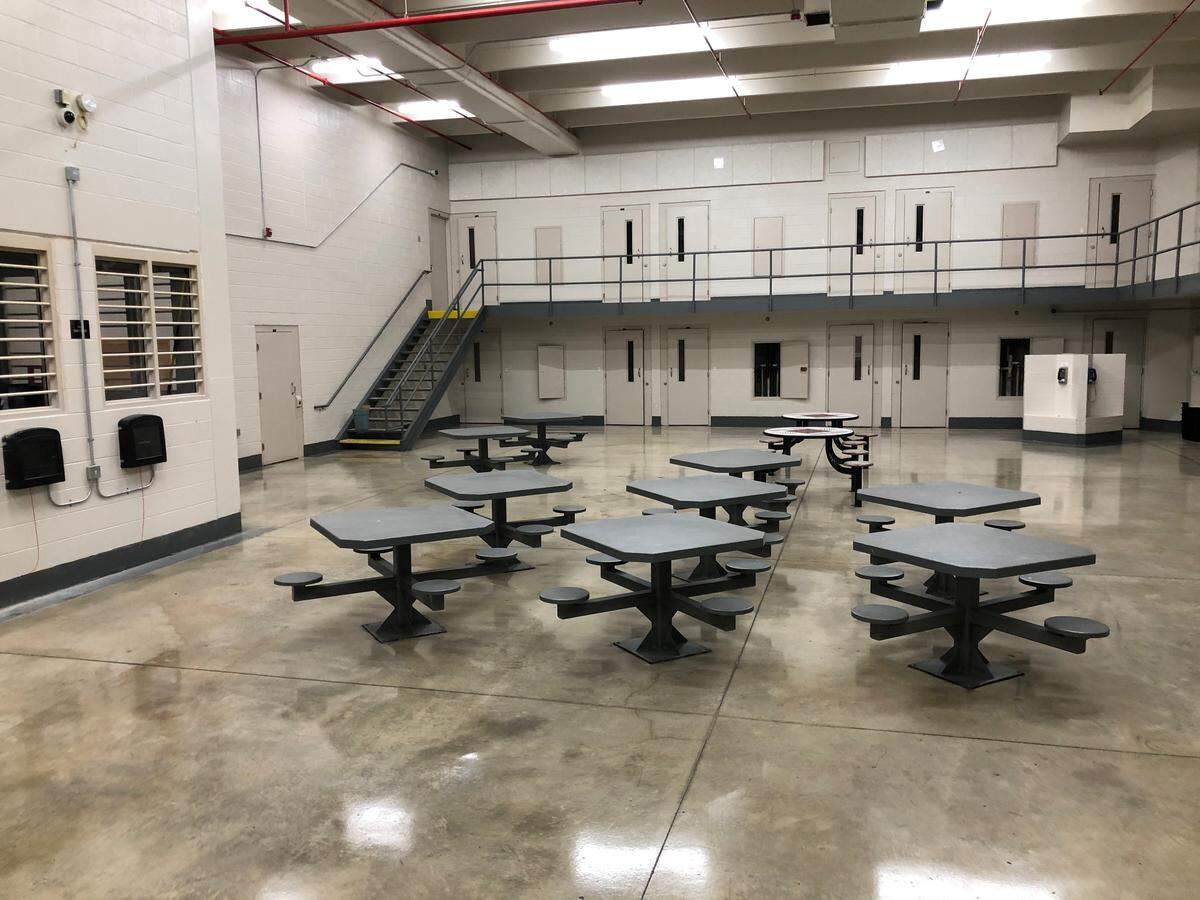
In his interview with Bare, Scott told the investigator that Johnson “gets mad when he must do paperwork at the end of the shift,” according to Bare’s report. Another witness, whose name was redacted, told Bare he saw Johnson get mad when contraband was discovered, so Bare ordered it tossed over the perimeter fence.
As of April 3, Johnson remained employed as a captain with the Department of Corrections for $72,558 a year, according to state records.
Johnson denied the allegations against him during interviews with Bare and, on March 27, the Herald-Leader.
He told the newspaper that after Bare’s investigation ended, he received a verbal and written “counseling” from a major at the prison, reminding him to be “professional with all of the staff.”
Asked about disciplinary action taken against Johnson, the Department of Corrections confirmed that he received what’s called a “a supervisory counsel.”
“At this time, there has been no evidence that this behavior has continued, but as with all its employees, the department continues to monitor and will address any future concerns as needed,” spokeswoman Hall said.
Ignoring plea for help
In his report, Bare said Lt. Nicholas Little failed to conduct a protective custody investigation for an inmate who worried about his safety in March 2025 among the prison’s general population.
The details of who said what to whom were inconsistent in interviews, Bare wrote.
But security video showed that after the worried inmate reported threats from another inmate, Little placed them in the property room holding cages next to each other to discuss their “not getting along,” resulting in the second inmate knowing the first inmate had informed on him to guards, Bare wrote.
Informing on someone else “is frowned upon by the inmate population,” Bare noted.
When the worried inmate then refused his bed assignment, he was put in restraints and sent to segregated housing in the presence of the second inmate, also indicating to the second inmate what was happening and putting the worried inmate at risk of violent attack later, Bare wrote.
In his interview with Bare, Little said the two inmates were “just arguing and not getting along,” but the first inmate signed a protective custody refusal form stating that he did not wish to be moved.
Bare told Little that no such form could be found in a search of the prison’s files. In fact, Bare said, he found Little’s disciplinary report punishing the worried inmate for refusing his bed assignment. Bare said he concluded that Little was lying about the incident.
Little was fired effective Sept. 25, 2025.
Two other guards who were present in the property room — Officers Timothy Rose and Steven Taylor — received written reprimands for failing to report the incident, according to the Department of Corrections.