
Bill to prevent utility disconnections across KY falls by the wayside, advocates say
A policy that would align Kentucky with the majority of U.S. states preventing utility shutoffs during dangerous weather conditions likely won’t get a hearing in the final days of the General Assembly.
After repeated previous attempts to pass a version of the bill, this year is the first time it has been assigned a committee, though one of its sponsors and a group of advocates said March 25 that with just seven days left of session, they’re under the impression it won’t go much further.
Kentucky has neither hot nor cold weather utility disconnection protections, but House Bill 377 would establish both in addition to setting new rules for how utility companies notify customers about disconnection.
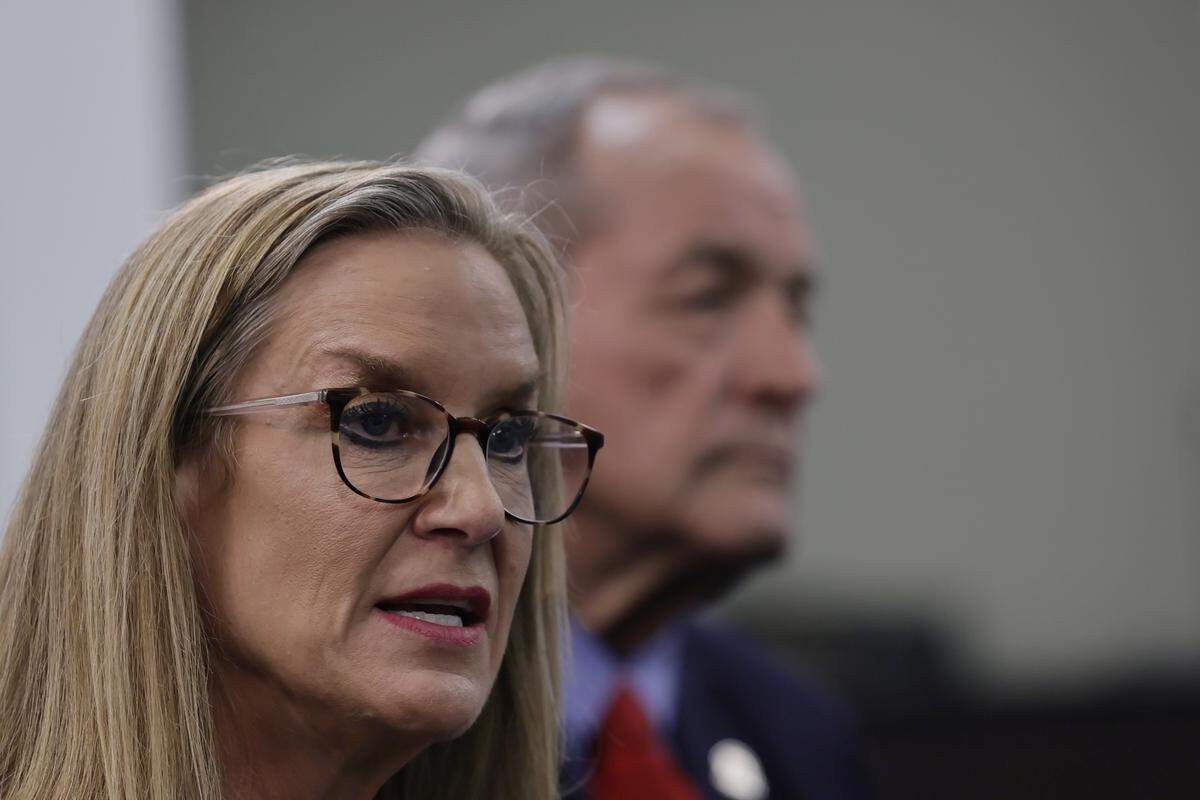
“We are running out of time in this legislative session to put in place permanent protections against utility disconnections during extreme weather,” said Cara Cooper, a coordinator for Kentuckians for Energy Democracy, at a news conference in Frankfort. “But it’s not too late and we won’t stop pushing our elected officials to be the kind of leaders that Kentuckians deserve.
“Instead of spending time designating an official dog breed or pushing for false solutions to our energy crisis, we need the people standing in the way to become the champions for the kinds of protections that most Americans already have and that Kentuckians desperately need.”
Sponsored by Rep. Susan Witten, R-Louisville, it is just one in the housing task force co-chair’s slate of bills to address housing affordability.
This year’s Republican-sponsored bill would prevent gas and electric companies from disconnecting utilities when temperatures are below 32 degrees or more than 95 degrees for more than three days.
The bill also prevents disconnections for residential ratepayers who have arranged a payment plan with their provider and have paid at least 10% or $200. Disconnection prevention, according to the bill, also extends to ratepayers who have documentation showing disconnection would threaten their health and safety.
Disconnections also would only be allowed if the bill were to pass between 8 a.m. and 5 p.m. Monday through Thursday. Disconnections would not be allowed on Fridays, weekends or holidays.
Kentucky Power, which serves much of Eastern Kentucky, put in place utility disconnection protections in 2024 and Big Sandy RECC has a program for ratepayers facing disconnection. A number of other gas and electric companies supplying residents across the state with utilities have their own internal policies in the event of weather, health emergencies and for financial assistance.
But the blanket protections are what advocates like Chris Woolery, the Mountain Association’s energy programs coordinator, described Wednesday as “common sense.”
“The simple fact is that our investor-owned utilities are doing just fine and protecting Kentucky families would not impact their profit margins,” he said.
In a recent year-long period, Kentucky’s electric utilities made more than 268,000 disconnections. According to a February report, there was an 87% increase in disconnections in fiscal year 2025 compared to the preceding fiscal year.
The increase, according to the report, was driven primarily by a spike in disconnections by utility Louisville Gas and Electric and Kentucky Utilities. The companies serve the most customers across the state.
Following the report, a spokesperson for the companies said disconnections vary by year “for several reasons, including our weather-related suspensions.”
The bill’s cosponsor, Rep. Lisa Willner, D-Louisville, said it’s difficult to know why the bill hasn’t progressed.
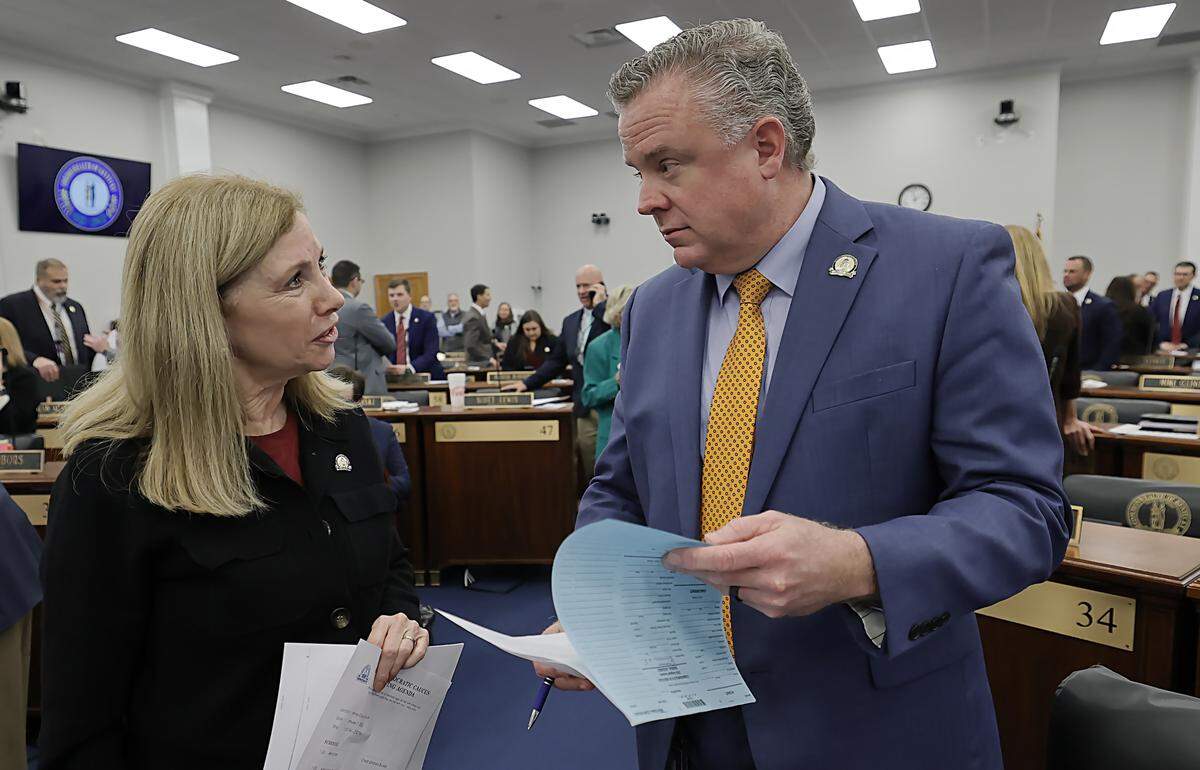
“Your guess is as good as mine about why this has not moved,” Willner said. “It’s extremely frustrating. We’ve had bipartisan support on this, we’ve had bipartisan sponsorship and cosponsorship, so it is one of the great mysteries of the session. We seem to move a lot of legislation that’s not nearly as impactful as this would be.”
Utility disconnection protection seems to have been left to the wayside this year, said Lane Boldman, director of the Kentucky Conservation Committee.
Lane Boldman, director of the Kentucky Conservation Committee, said weather-related policy attention has been paid by the Disaster Prevention and Resiliency Task Force and in Senate Bill 11, which was signed March 23 to establish a residential safe room rebate program, but disconnection prevention doesn’t seem to be a priority.
In a letter sent to members of the General Assembly this week nudging them to take action on House Bill 377, the Leave the Heat On Collective — made up of a group of place-based advocacy groups — said essentials remain out of reach for Kentuckians as prices rise.
“We need more than assistance with paying our bills,” the letter said. “We need guaranteed protection from utility shut-offs when it is most dangerous.”
It’s possible a future iteration of the policy would be assigned to the Health and Human Services Committee instead.
The collective is also intent on pursuing emergency moratoriums from the governor’s office to protect residents in peak summer months and again in winter before next year’s legislative session gets underway.
.JPG)