McConnell-backed Mammoth Cave NPS expansion bill gains traction in Congress
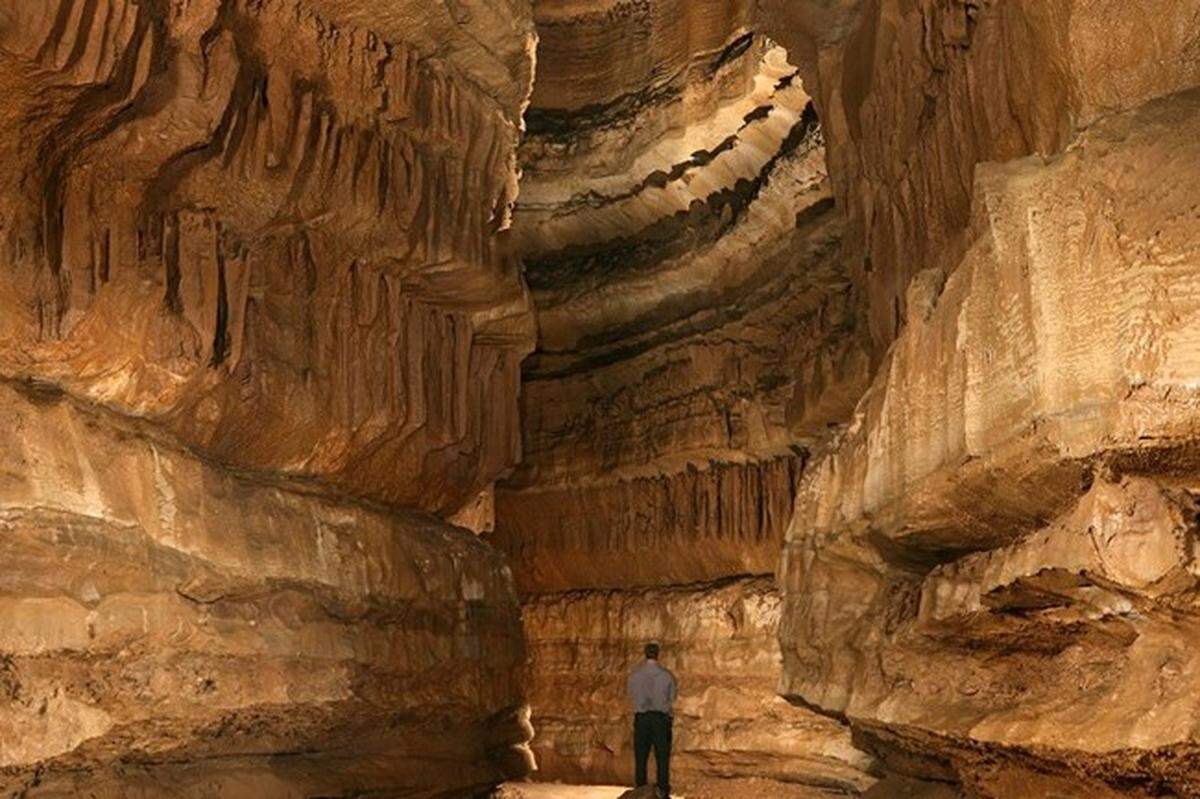
A proposal to expand Mammoth Cave National Park is gaining traction in Congress, setting the stage for what supporters say could be a significant boost to conservation and the economy in South-Central Kentucky.
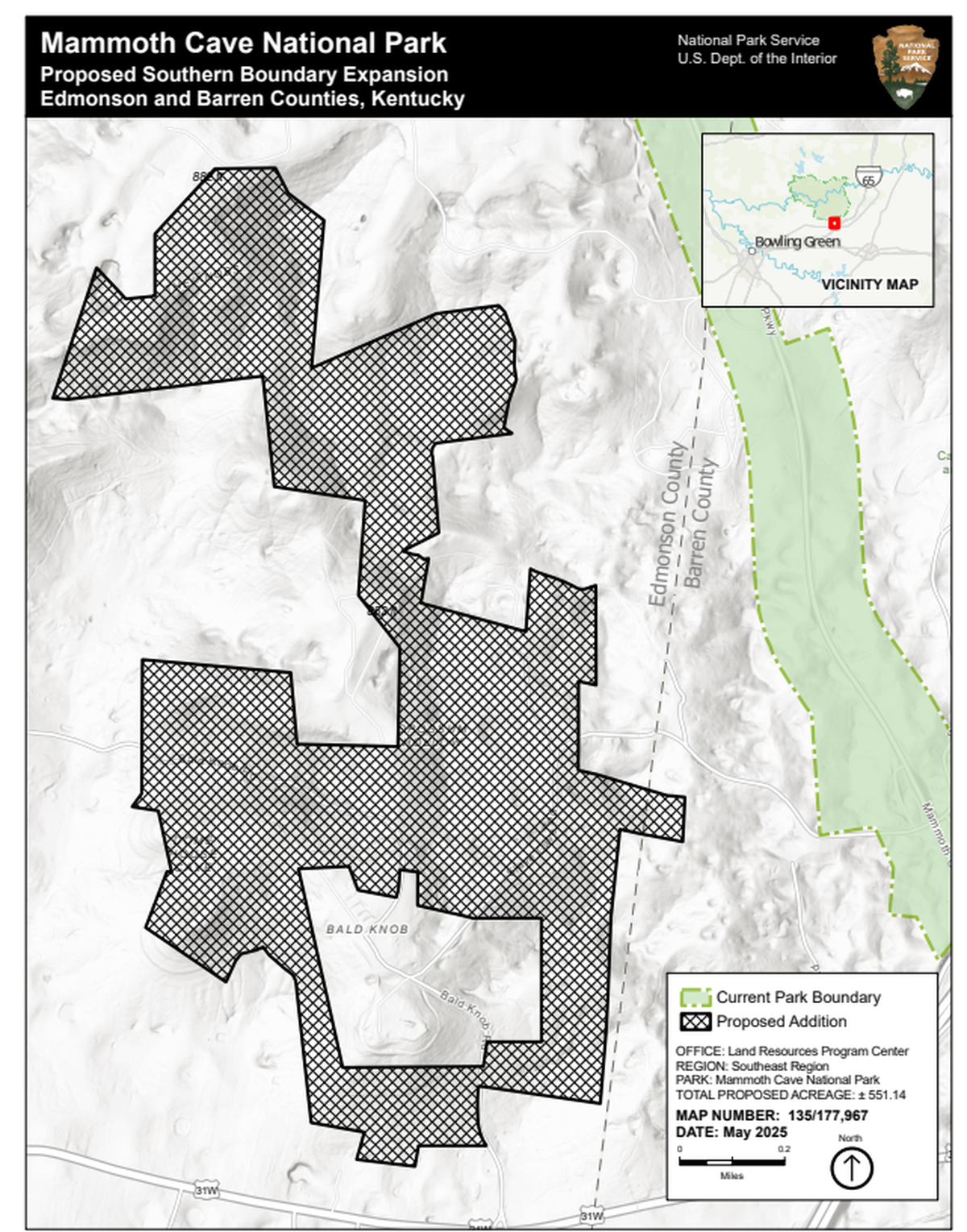
The effort, known as the Mammoth Cave National Park Boundary Adjustment Act, would authorize the National Park Service to purchase more than 550 acres of land owned by The Nature Conservancy, a nonprofit dedicated to private lands conservation with major holdings in the Bluegrass State. The group’s property southwest of Kentucky’s only national park lies within the Green River watershed and includes environmentally sensitive terrain, as well as cave passages known to contain prehistoric artifacts.
“No organization is better equipped to protect these natural and cultural resources than the National Park Service and the experts at Mammoth Cave National Park,” Edmonson County Judge-Executive Ronald “Scott” Lindsey said. “As county judge-executive, one of my priorities is supporting local businesses and encouraging economic growth in rural communities. Expanding and protecting Mammoth Cave National Park helps accomplish both goals.”
Last month, a House Committee on Natural Resources subcommittee heard testimony on the latest version of the expansion bill proposed by Western Kentucky Republican Rep. Brett Guthrie. It clears a hurdle that blocked the original House version of the legislation, first introduced in 2023. Similar legislation in the Senate has the backing of retiring Sen. Mitch McConnell, R-Ky., whose political sway as former majority leader helped pass the Senate version in just a few short months in 2024.
Advocates are hopeful McConnell can steer the expansion bill through the Senate again this Congress. Still, despite securing a crucial hearing in the House, opposition is mounting. The 2023 version of the bill included funds to purchase privately developed properties connecting TNC property to the existing Mammoth Cave footprint, but concerns were raised about the optics of the federal government gobbling up private property for the park service just to ensure two portions of the park connect.
Instead, the latest proposal would create two distinct Mammoth Cave units separated by a narrow sliver of land in Barren County. McConnell and Guthrie agreed to eliminate about 500 acres of developed land from the original proposal to make it more palatable on Capitol Hill. Now, the NPS would spend just under $1 million purchasing only the 551 acres of property already under a conservation easement.
Mammoth Cave hurdles still loom
Despite some progress, Federal Lands Subcommittee Chairman Tom Tiffany, R-Wis., raised the bar for securing a deal even higher during a March 18 hearing, suggesting TNC just give the park service the additional acreage without compensation, which wouldn’t require a bill in Congress in the first place.
“Having been to Mammoth Cave with the kids, it’s an incredible location,” Tiffany said, “but I think it would be worth pursuing to see if there’s a way for The Nature Conservancy, which is supposed to be a very beneficial organization, if they could just gift this, and maybe it would be the easiest way.”
TNC acquired a conservation easement for the 550 acres in 2017 and worked with the U.S. Fish & Wildlife Service, Kentucky Department of Fish and Wildlife Resources and the James Cave Project to create a resource management plan for the site, said Heather Jeffs, TNC Kentucky’s director of external affairs.
In 2019, the nonprofit took absolute control of the forested acreage with help from the Imperiled Bat Conservation Fund, a public-private partnership between USFWS and Kentucky Natural Lands Trust that secures property for the Indiana bat. That agreement between TNC and the conservation fund stipulates the conservancy group will work to place the land under the park service’s protective arm and return 100% of the profits back to the grant program it used to purchase the land in the first place.
Essentially, TNC is acting as an intermediary to move NPS funds to USFWS coffers in an effort to help protect a native bat species in Kentucky under threat of habitat loss, human disturbance and farm pesticides.
“We acquired the property in partnership with the U.S. Fish and Wildlife Service to protect its exceptional conservation resources and in the hopes of being able to transfer it to the National Park Service for perpetual protection of those resources and to enhance public recreation and economic opportunities in and around Mammoth Cave National Park,” Jeffs said.
Modest expansion a ‘critical investment’
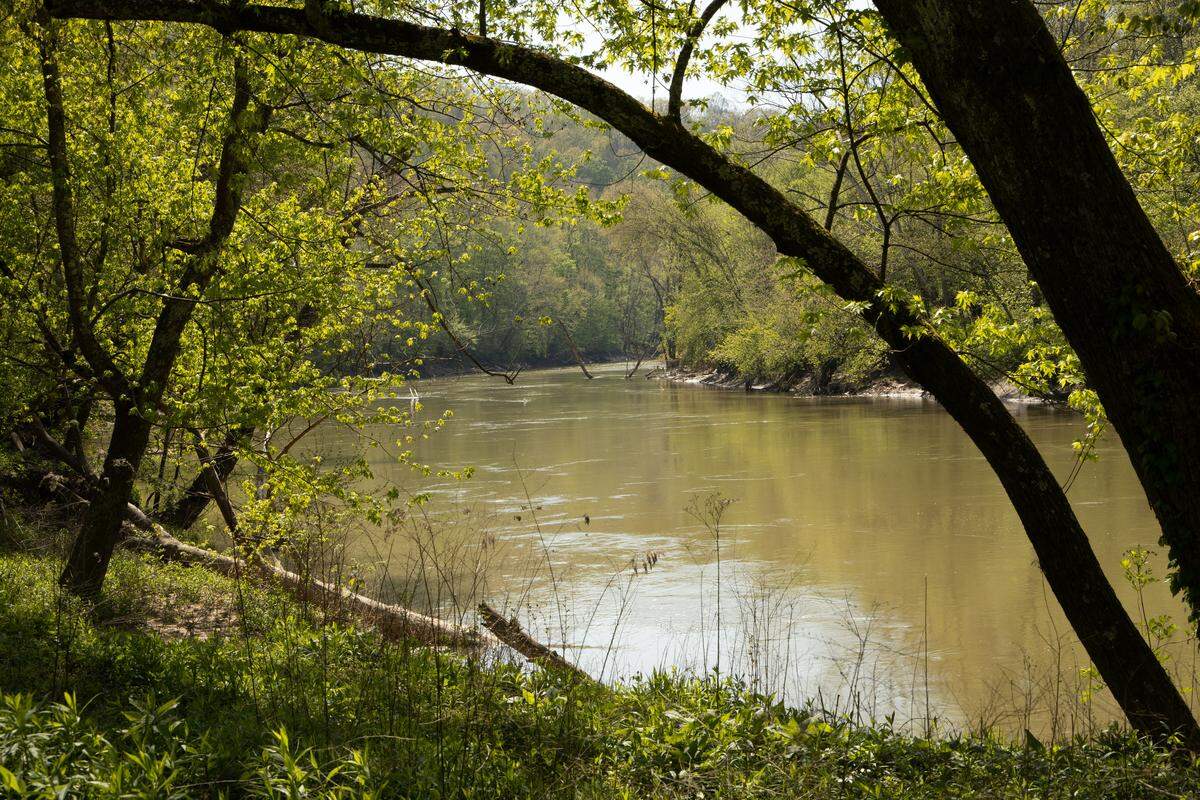
Mammoth Cave already spans more than 52,000 acres across Edmonson, Barren and Hart counties, meaning adding the targeted land would only modestly increase its footprint. But the area sits on a ridgeline that funnels water toward one of the most biologically diverse aquatic ecosystems in North America.
Cave passages that narrowly connect to the broader Mammoth Cave system — the longest known cave network in the world — provide important habitats for endangered bat species and likely served as temporary shelters for Native Americans. Historians also believe the Coach and James caves on TNC land played a role in the area’s settlement through potassium nitrate mining during the War of 1812 and contain signatures from American Civil War soldiers who visited in 1862.
“This investment will safeguard critical habitat, preserve irreplaceable historical resources and expand recreational opportunities for future generations,” Lindsey said. “More importantly, it will continue to drive economic development and tourism for communities across South-Central Kentucky.”
In 2025, Mammoth Cave drew roughly 747,000 visitors and generated more than $73 million in local spending that supported hundreds of jobs. Even a modest expansion could eventually provide additional trails, access points to the park and protected features at a relatively low cost, Lindsey added.
The effort’s timing is not lost on supporters, as the park approaches 100 years since its congressional authorization May 25, 1926. The land for the park wasn’t acquired for another 15 years. The expansion effort is being framed as a practical conservation move and a symbolic recommitment to protecting one of the nation’s most distinctive underground landscapes.
For conservationists, the deal underscores a broader strategy of using nonprofit land acquisition to bridge a gap in federal protection while serving as a chance to develop tourism.
TNC “strongly supports” the bill as a means of acquiring property that is important to a larger cave system while enhancing “public visitation and economic opportunities in and around the park,” Jeffs said.