
Kentucky’s kratom ban unconstitutional, supplement company says in lawsuit
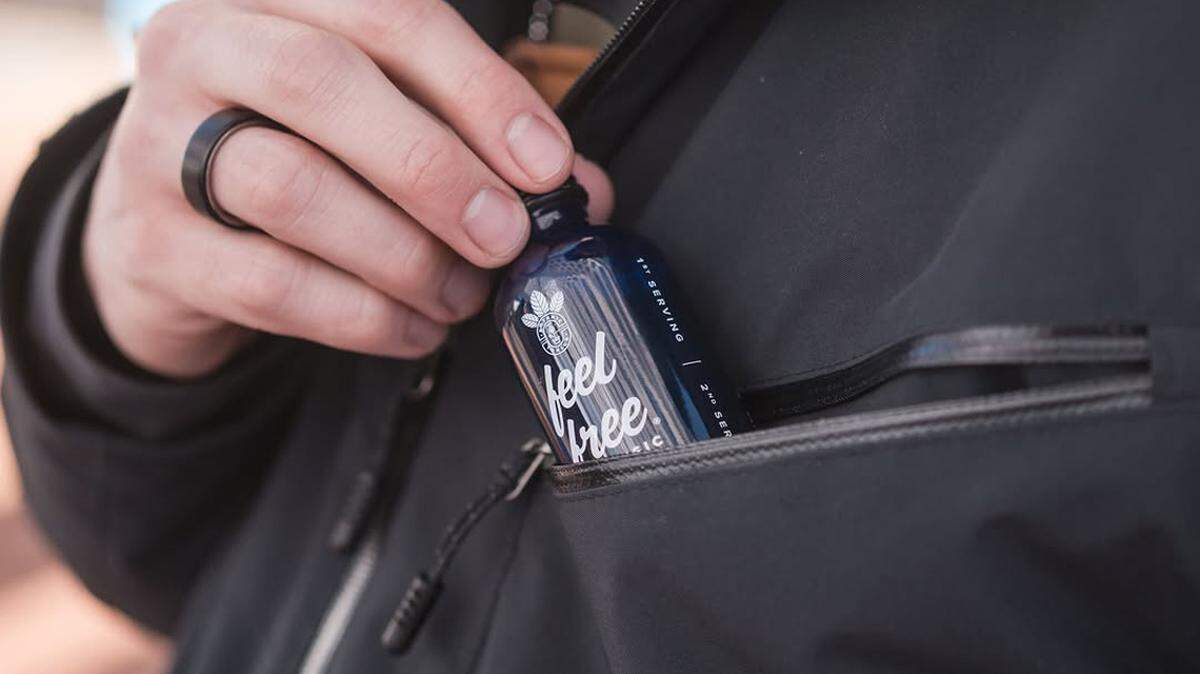
A wellness company known for its supplements and alcohol alternatives made from the herbal mood-altering substance kratom is asking a Kentucky court to declare parts of a law that bans their sale unconstitutional and void.
Botanic Tonics LLC said it will be forced to cease sales in Kentucky and is predicting it will lose brand recognition and business viability in a lawsuit filed May 22 in the Franklin Circuit Court against the Kentucky Cabinet for Health and Family Services and the Department for Public Health.
A statewide ban on kratom — a tree native to parts of Asia used to self-treat chronic pain, anxiety and withdrawal symptoms, but has no FDA approval and has health risks — was unconstitutionally passed by the Kentucky General Assembly, the company said in the lawsuit.
“Under Kentucky constitutional law, the legislature cannot shoehorn in changes to unrelated statutes in a single unrelated revenue bill as was done in the most recent session when the kratom ban was slipped into a voluminous revenue bill,” the lawsuit said.
The court will hear pending motion requests from parties involved in the case June 3. Attorneys for Botanic Tonics, the state Cabinet for Health and Family Services, Department for Public Health and in the attorney general’s office did not respond to requests for comment ahead of the Wednesday motion hour.
What is kratom, Botanic Tonics?
Botanic Tonics manufactures all its products in Oklahoma but has authorized distributors across the country, including in Lexington. According to its online store locator, its products can be found in a number of gas stations and small, neighborhood food marts across the city.
Its most notable product is its “feel free” tonics and capsules that combine kratom with other ingredients promising to lift mood, enhance focus and boost energy.
In small doses, kratom and its byproducts can act as a stimulant and in large doses, it can serve as a painkiller.
Since the herbal substance interacts with pain receptors in the brain, some take kratom to ease symptoms of opioid withdrawal and to self-treat anxiety, depression and PTSD, according to Mayo Clinic.
But the drug carries it own risk of addiction and poses danger since products lack clear labeling, and there are few studies to understand and rate its health benefits.
In April, the company came to an $8.75 million settlement to resolve a class action lawsuit that alleged Botanic Tonics had failed to warn its customers about addictive properties of kratom.
A number of states have sought to regulate the drug and one of its byproducts, 7-hydroxymitragynine, or 7-OH.
In 2024, Kentucky Gov. Andy Beshear signed House Bill 293 that established a framework for regulating kratom and kratom products following federal law. It established some product safety standards, introduced labeling requirements and put an age restriction on sales.
Then last fall, the Kentucky Cabinet for Health and Family Services classified 7-OH as a Schedule I narcotic, making it illegal to sell, possess or distribute. Heroin, LSD and fentanyl are also classified as Schedule I.
The Food and Drug Administration has not approved kratom for medical use and the Drug Enforcement Administration has listed it as a drug and chemical of concern.
Kratom, and 7-OH, can cause changes in alertness, energy and at high doses, can produce a sedative effect, according to the DEA. There have also been reports of psychosis after use, including hallucinations, delusion and confusion.
Kratom ban is unconstitutional, lawsuit says
Several bills were introduced during this year’s legislative session related to kratom, including one that would place a tax on the product and another that would create a department responsible for oversight, regulation and enforcement of kratom and cannabis, though none passed.
The lawsuit said kratom advocates, manufacturers and retailers were instead “blindsided” when the year’s revenue bill — which had already passed through the House and had two readings in the Senate — was substituted in its entirety.
The section of House Bill 757 that effectively bans kratom was added to the legislation through a Senate Committee Substitute, a process by which a completely revised version of an existing bill replaces the original text. The substitute language is treated as an amendment, though it “subs in” for the original bill.
It still must be approved by a committee then the full floor, but its use by the Kentucky General Assembly is often criticized for being a secretive process that cuts out the public’s ability to participate in bill drafting.
“In the span of a single legislative day, the last legislative day before the General Assembly’s two-week recess, the Senate introduced a ban on kratom in a revenue bill that originated in the House and forced it through under the cover of an almost 400-page tax bill,” the lawsuit said.
The total ban on the sale of kratom, the lawsuit said, only includes three types of products. Prior to passage of HB 757, Kentucky law only banned those products if they included some chemicals in excess.
The lawsuit alleges the bill’s sections that ban kratom, “now actually allow the previously prohibited and dangerous synthetic products banned under emergency executive order to be sold in Kentucky.”
The lawsuit said Botanic Tonics will be forced to cease product sales, terminate contracts and discontinue advertising, “thereby losing brand recognition and causing brand dilution, all to the advantage of their competitors, and, ultimately the complete loss of the viability of their businesses in Kentucky.”
The company filed a similar lawsuit earlier this spring in Utah claiming legislation in that state tightening drug regulations is unconstitutional since it contradicts federal law.
A similar debate took place in the Utah legislature this year over product safety and while it didn’t approve a full ban, the Utah legislature enacted policy that prohibits the sale of kratom byproducts or the kind that is mixed with other synthetic products, opioids or stimulants.
This story was originally published June 2, 2026 at 1:23 PM.
.JPG)