Someone will pay big for KY pension investment lawsuits. Will it be retirees?

AI-generated summary reviewed by our newsroom.
- Kentucky Supreme Court heard oral arguments in related state pension hedge fund appeals.
- Fund managers argue indemnity lets fund assets cover managers' losses and fees.
- Kentucky says indemnities unlawfully create state liabilities beyond budget limits.
A decadelong tangle of litigation involving Kentucky’s state pension system and its controversial hedge fund investments landed before the Kentucky Supreme Court this week with oral arguments in several related appeals.
At issue: Can New York- and California-based fund managers sued over their performance by unhappy public workers in 2017 stick Kentucky’s pension system with the bill for millions of dollars in legal fees and court costs, plus whatever they might owe for an eventual settlement or judgment?
The managers say yes, they can, because the Kentucky Retirement Systems — later reorganized as the Kentucky Public Pensions Authority — included indemnity language in its contracts when it invested up to $1.5 billion in the funds starting in 2011.
Indemnity is a legally binding promise in which one party agrees to compensate another for specific financial losses or liabilities.
The Kentucky Retirement Systems understood that money from the hedge fund limited liability corporations it created as investment vehicles could be used to compensate its fund managers for any losses or liabilities they suffered from breach of contract, the managers’ attorneys told the Supreme Court on Wednesday.
According to the fund managers, the pension system breached its contract terms by siding with the public workers, who in their lawsuit blamed the managers for alleged opaque transactions, high fees and large losses that contributed to the pension system’s staggering financial shortfall.
The largest of Kentucky’s state pension plans, the $4.8 billion Kentucky Employees Retirement System (Non-Hazardous), ended 2025 with 28.6% of the money it’s expected to need to pay benefits to future retirees. That was up from 24.8% in 2024.
The shortfall is largely due to decades of underfunding by state leaders that has only recently begun to improve.
Indemnity language is commonplace in these situations, attorney Michael J. Garvey, who represents fund manager PAAMCO Prisma, told the Supreme Court.
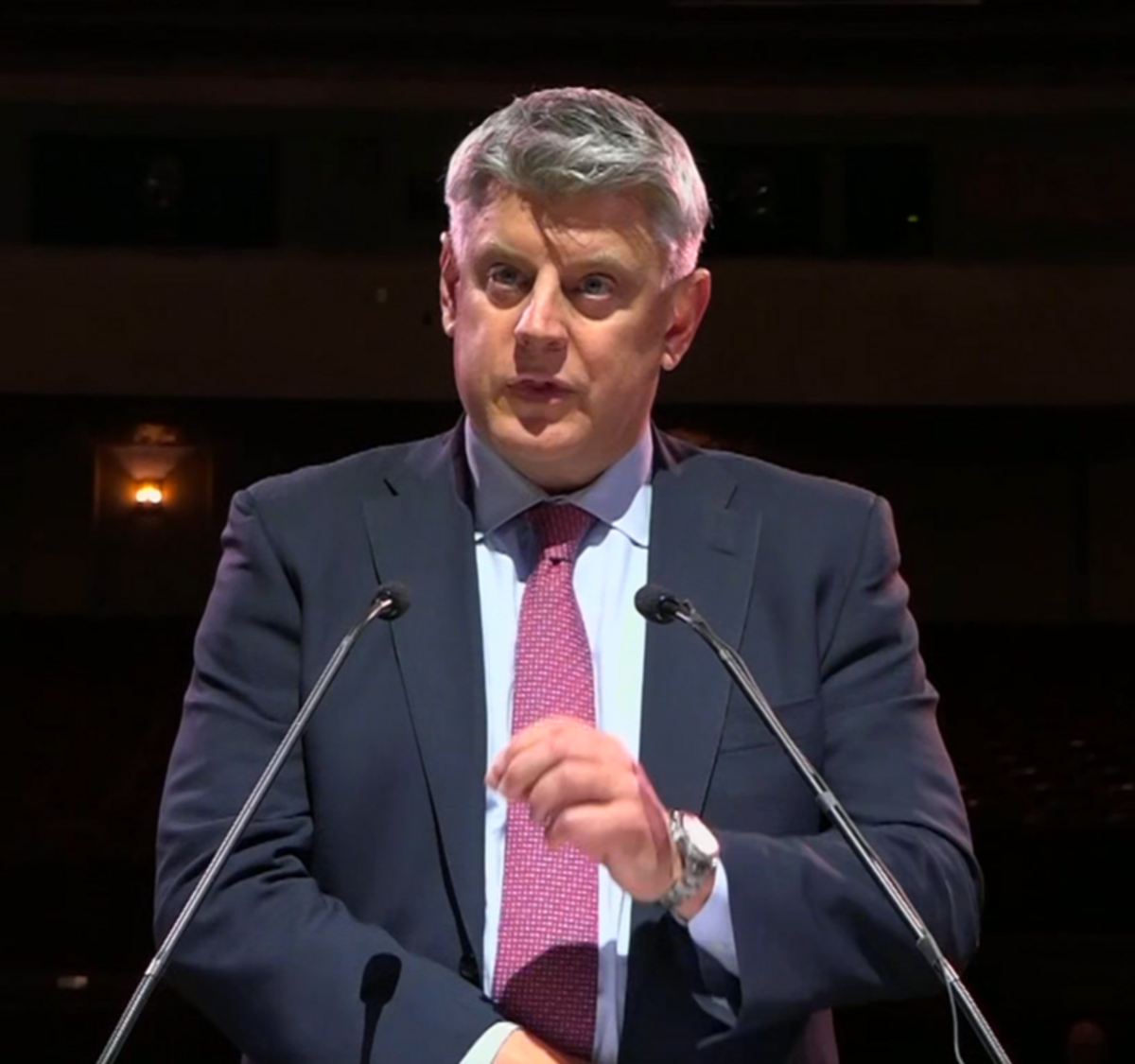
“There are hundreds of LLC investments like this in the public pension portfolios,” Garvey said. “All of them have these indemnity provisions. That’s standard, and they’re there because if managers get sued arising from their good faith management of the fund, following the contracts, they have recourse against the assets of the fund.”
But attorneys for the state of Kentucky disagreed.
To protect taxpayers, Kentucky’s Constitution prohibits any state agency from creating a debt or other liability against state revenue beyond the current two-year budget unless the General Assembly specifically authorizes it, the lawyers said.
In other words, the lawyers said, the state pension system had no constitutional right to commit state funds to open-ended compensation agreements for private corporations.
Justice Christopher Shea Nickell of Paducah asked the state’s attorneys why the state pension system would agree to indemnification language in its investment contracts if it knew it was unconstitutional.
“I would agree, and you know, we weren’t involved in the contract negotiations,” said Jack Heyburn, principal deputy solicitor general in the Office of the Attorney General.
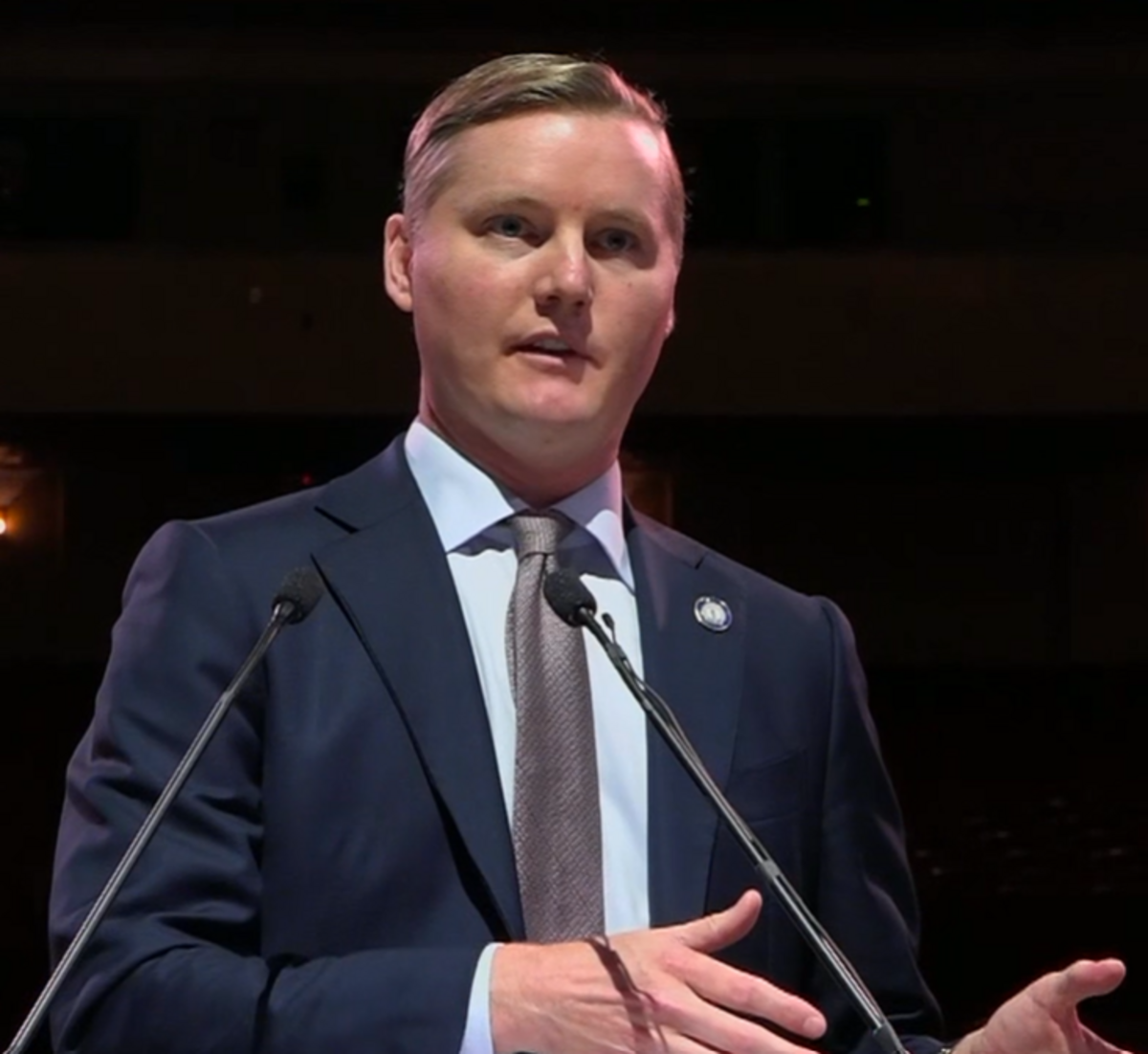
“But that’s why we have the Constitution as a backstop,” Heyburn continued. “If every agency could agree to indemnity agreements, then every time the General Assembly put together a budget, they’d have to wonder, ‘Well, what indemnity agreements were agreed to by the Finance Cabinet or Transportation or Retirement, and you know, the effect on the budget would be incredibly uncertain.”
The original lawsuit over the hedge fund investments, led by plaintiff Jeffrey Mayberry, a retired state trooper, was dismissed in 2020 by the Supreme Court, which said the public workers were legally guaranteed to receive their state pensions and therefore could not show how they’ve been harmed.
But the essence of the claim was revived and expanded in a new lawsuit filed by then-Attorney General Daniel Cameron.
Former U.S. District Judge Layn Phillips of Oklahoma spent much of 2024 negotiating a settlement between the state of Kentucky and the hedge fund managers. A proposed $227.5 million deal was announced last year, but the parties could not get a Franklin Circuit Court judge to approve the terms, so the case remains pending for now.
Although this lawsuit was not in front of the Supreme Court on Wednesday, attorneys for the fund managers took the opportunity to repeat their clients’ assertions that they managed the state of Kentucky’s investments professionally and earned profits for public retirees. Blaming the hedge fund managers for the pension system’s problems is “outlandish,” they said.
Attorney William T. Marks told the high court the pension system’s original investment in the Henry Clay Fund, established by Blackstone Alternative Asset Management, was $465 million, and that fund produced a net profit of $158 million.
“I think with respect to Blackstone, in particular, we were a profitable investment for the commonwealth, which I think is why we are frankly surprised to continue to be here after so many years,” Marks said.