Settlements gave KY cash to fight opioid crisis. It’s not being spent, report says
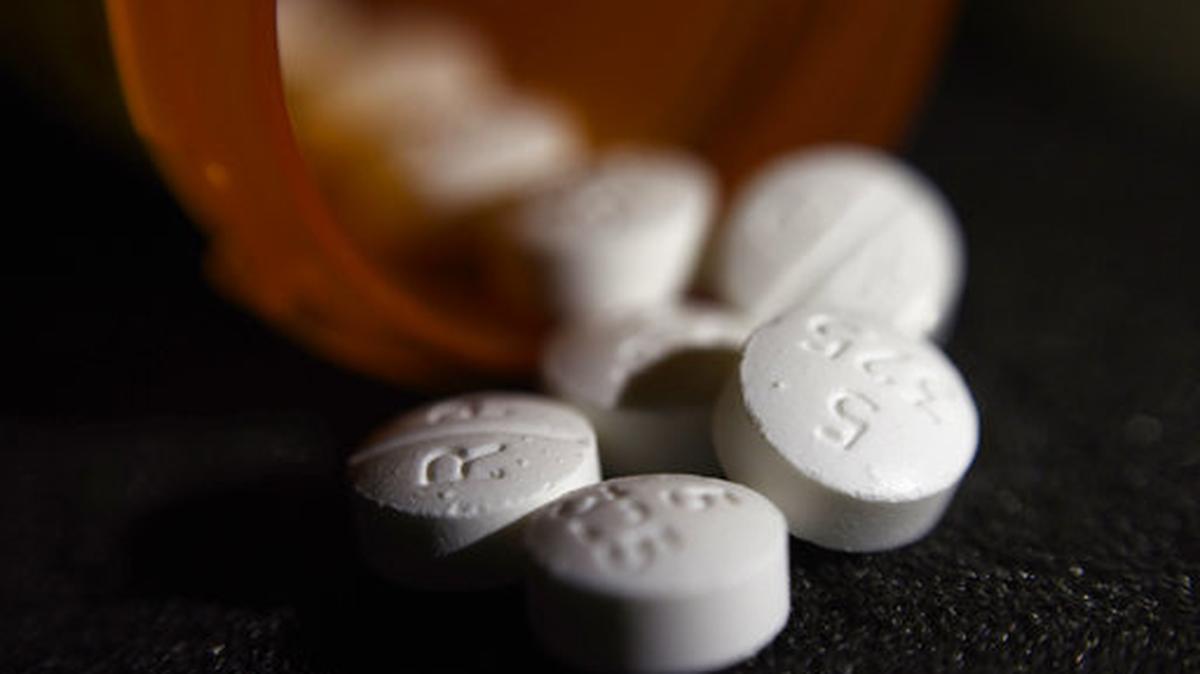
As Kentucky continues to grapple with opioid overdoses and addiction treatment, more than 90% of opioid abatement grant funds awarded to combat the drug epidemic and support recovery remain unused, according to a new report from the Kentucky Center for Economic Policy.
As of June 2025, more than $94.5 million in opioid settlement funds were granted across Kentucky’s 120 counties, and another $28 million to 149 cities, according to the report released Tuesday by the Berea-based research and advocacy group.
But recipients have spent only 10% of the awarded money over the past three years, the report states.
Local governments were required to submit detailed reporting on their grant spending for the first time in fiscal year 2025. Half of them reported they spent no money at all that year.
Of the $122.4 million originally granted to cities and counties since 2022, they still had $109.8 million on hand at the end of the last fiscal year, the center found (the available money includes interest that has accrued on that unspent cash, the report notes).
The first deployment of opioid abatement money was awarded to Kentucky in 2022, as part of a $900 million settlement with opioid distributors designed to be spent over the course of several years. Between 2022 and 2038, Kentucky is expected to receive more than $1 billion in abatement funds.
Half of the money was given to the state, and the other half was distributed to local governments. The disbursement of the funds is overseen by the Kentucky Opioid Abatement Advisory Commission, which operates through the attorney general’s office.
The money is required to be spent on prevention through education, training and support for families, harm reduction, treatment and recovery support.
How Kentucky governments spent opioid relief money in 2025
The report said local governments are sitting on opioid settlement funds rather than making needed investments in their communities while thousands of people continue to die from overdoses.
While the report acknowledged a years-long decrease in opioid-related deaths, the Kentucky Center for Economic Policy said that with recent federal funding cuts to health and human services, it is critical that the state and local counties invest the money responsibly.
Some of Kentucky’s cities and counties reported the only money they had spent was on $20 or $30 bank fees designed to hold their accounts open to store millions of dollars, according to the report.
Many of the local government leaders said they hadn’t spent the money simply because they were unclear on how to allocate it, despite multiple resources and legal statutes designed as guidelines.
But of the money that was spent — roughly $14.5 million between cities and counties out of $29 million granted — the center found that nearly $2 million of that was found to be “problematic,” meaning that the funds were spent on unproven or ineffective purposes, or programs thought to cause additional harm.
“Based on the brief descriptions provided in these reports, spending that did occur in many cases does not appear to have been on impactful, evidence-based approaches to preventing overdose deaths and repairing other harms of the opioid crisis,” the report reads.
For example, Martin County spent nearly $25,000 on two “opioid deputies” and another $29,000 for gas for them.
In Grayson County, officials paid basketball player Lamar Odom $25,000 to talk to a high school.
Wayne County purchased more than $36,000 worth of “vape detectors” to go inside bathrooms in middle and high schools.
Some of the opioid abatement funds were siphoned into local government’s general funds.
In Perry County, officials recorded a $91,362 expenditure for payroll of the fiscal court employees who work in the “opioid department.” The county also spent $3,500 for water and waste services for the City of Hazard building.
Nearly $7M was used for ‘good spending’
Despite concern raised over misspending and a lack of spending, there were positives shared by the center.
The report outlined nearly $7 million worth of “good spending” across 76 expenditures for public health, harm reduction, housing, and repairing “racial damage” caused by the War on Drugs.
Many of the projects that were dubbed as “good spending” included community-based resources, and not programs that were police-led, according to the report.
In one example, Louisville spent $130,796 on a Feed Louisville program that “implemented tailored, evidence-based approaches to address high-risk activities associated with overdose death rates and transmissions of infectious diseases.”
In Floyd County, $100,000 was allocated to the school district family resource center to support children and families affected by addiction.
Letcher, Lee, Owsley and Whitley are funding community resource “hubs” designed to reduce overdose deaths by increasing harm reduction and treatment navigation, the report says. The hubs also address barriers such as IDs, housing, transportation and long-term support in recovery.
This story was originally published June 30, 2026 at 11:31 AM.