
Bird deaths in Kentucky: Residents in more counties asked to put away feeders
Residents in more Kentucky counties have been asked to remove bird feeders as wildlife officials investigate bird deaths due to a mysterious condition.
The Kentucky Department of Fish & Wildlife Resources expanded the list of affected counties and revealed findings so far from residents’ reports about sick birds.
According to the department’s wildlife veterinarian, Dr. Christine Casey, the online form Kentuckians can use to report sick or dead birds received about 1,400 submissions as of July 2.
Some 250 reports were consistent with symptoms related to what experts call the “mortality event.” She said the other submissions were either inconclusive or featured “normal mortality” unrelated to the event.
Based on findings from the online reporting form, Fish & Wildlife asked residents of Bullitt, Campbell and Madison counties to join those in Jefferson, Boone and Kenton counties in removing bird feeders until further notice, Casey said.
“We’re recommending, as a precautionary step, taking down the feeders because feeders do congregate animals and can increase the transmission of pathogens in general,” Casey said. “It’s a possibility that it could be spreading that way; we just want to cover all our bases.”
Kate Slankard, a Fish & Wildlife avian biologist, said, “Food is plentiful for wild birds this time of year, so taking down feeders will not negatively affect populations.”
In addition to Kentucky, reports of affected birds have come from Washington D.C., Maryland, Virginia, West Virginia, Delaware, New Jersey, Pennsylvania, Ohio and Indiana, Casey said.
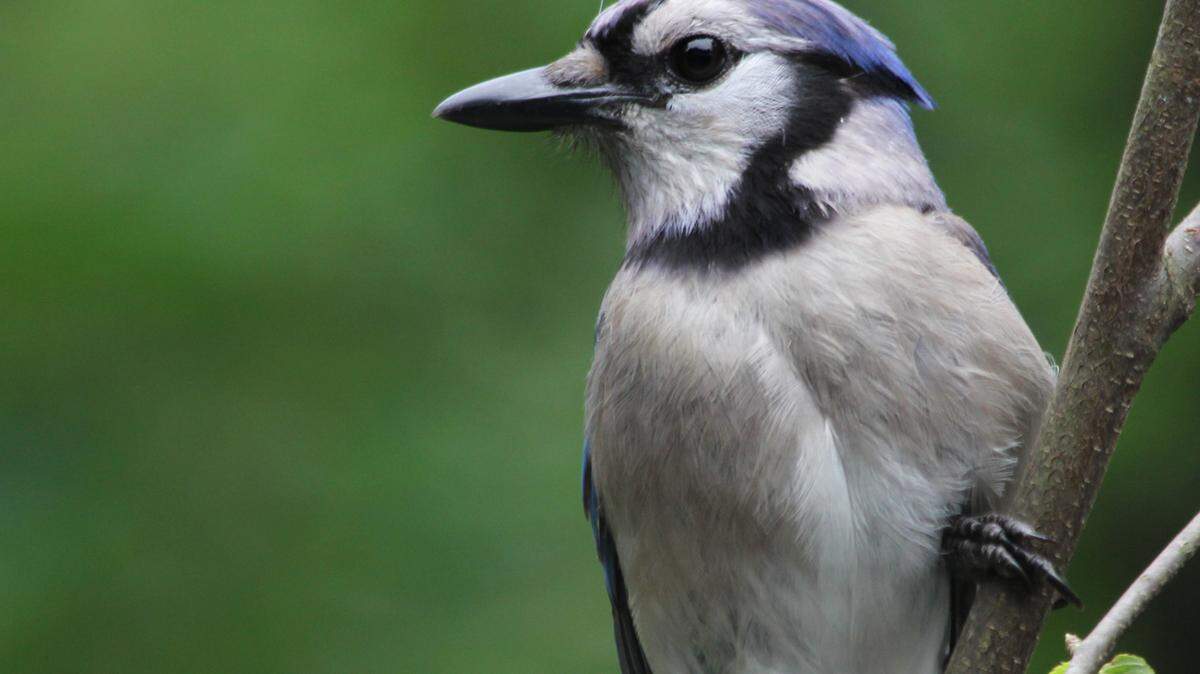
She said the symptoms seem to remain consistent among affected birds: crusty discharge and swelling of the eye area and neurological signs, such as rapid eye activity and uncoordinated movements. The bird varieties most impacted include blue jays, common grackles, European starlings and American robins, Casey said.
The condition seems to affect more juvenile birds than adults. However, no effects on humans, livestock or poultry have been reported.
Kentucky Fish & Wildlife has been working with the University of Georgia’s Southeastern Cooperative Wildlife Disease Study, sending around 40 samples of bird carcasses for analysis. But Casey said those results were still pending.
Although Casey said there is still no definitive cause for the bird deaths, on July 2, the nine affected states collaboratively released a list of pathogens that have not been detected and can be ruled out. These include Salmonella and Chlamydia, avian flu, West Nile virus, Newcastle disease virus and Trichomonas parasites. Monitoring and testing continue.
This story was originally published July 8, 2021 at 7:01 AM.