‘Substantial losses.’ Kentucky residents part of alleged precious-metals scam
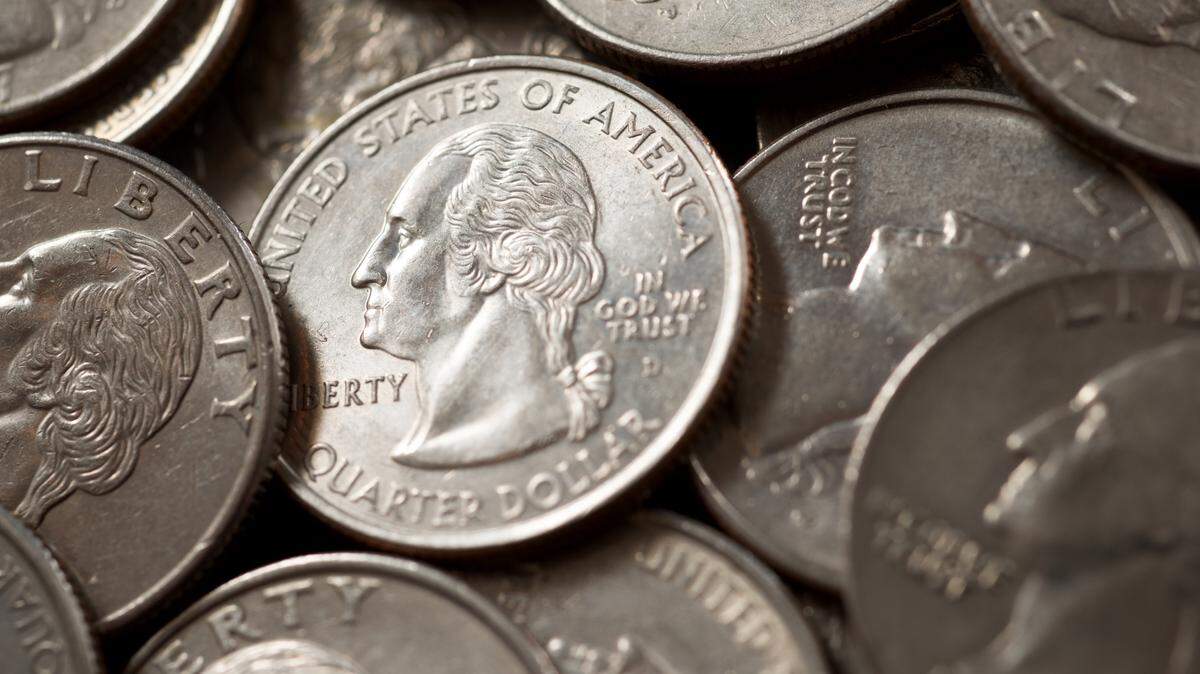
Nine Kentucky residents lost a total of more than $600,000 in an alleged scheme to fraudulently market silver coins, state officials announced.
The people are part of a case in which federal regulators have charged that a California company used lies and misleading information to hook people, most of them elderly, into investing in silver at an exorbitant mark-up.
The Kentucky residents, four of them retirees, lost $616,428 to the scheme, Gov. Andy Beshear said in a news release.
“The victims thought they were investing their retirement funds to provide for future needs. In reality, they were caught up in yet another investment fraud, which have increased significantly during the (COVID-19) pandemic,” Beshear said.
The U.S. Securities and Exchange Commission (SEC) and the Commodities Futures Trading Commission filed enforcement actions in federal court in California this week against the company, Safeguard Metals LLC, and its owner, Jeffrey Santulan, also known as Jeffrey Hill.
The Kentucky Department of Financial Institutions joined with the commission and 26 other states in one of the complaints, which seeks restitution for the people who invested.
State regulators have seen an increase in alleged fraudulent investment schemes tied to gold or silver coins and targeting senior citizens, according to an association of securities administrators.
Safeguard Metals received a total of $67 million from selling coins to more than 450 people across the country, according to one court document.
Federal regulators said Santulan and Safeguard employees used false and misleading statements to convince people to sell their existing securities and use the money to buy silver coins and gold.
For example, company sales agents told people a federal law allowed banks and brokerage firms to freeze their existing 401(k) and Individual Retirement Accounts (IRAs) during a stock-market turn down.
However, the law the agents cited applied only to money-market accounts in rare circumstances and would not allow freezing an entire account, according to court documents.
The company also told investors that its mark-up on the coins was usually ranged from 4%-23% depending on the product, when Safeguard actually charged an average mark-up of 64% on silver coins, the SEC said.
At one point the company and agents claimed it was managing $11 billion in assets and had offices in New York, Beverly Hills and London.
In fact, it had sold less than $75 million worth of coins and had only one office, a small leased space on the third floor of a building in Woodland Hills, Cal., federal regulators said.
People who bought coins from the company “generally and almost immediately suffered substantial losses on their investments due to the fraudulently overpriced” coins, the Commodity Futures Trading Commission charged.
Kentucky officials said the Safeguard Metals case is one of several investment schemes they have tried to stop, and more are under investigation.
“As the market continues to fluctuate, we expect to see more fraudsters attempting to capitalize on investors’ uncertainty and using fear to manipulate people out of their hard-earned money,” said Marni R. Gibson, a division director at the state Department of Financial Institutions.
Gibson said investors should be especially careful when buying precious metals and should check for high commissions.
People who suspect they have been targeted in a similar precious-metals investment scheme can contact the department at 502-573-3390 or at kfi@ky.gov.