
Does bird flu pose a risk? What about prices? What to know about poultry virus found in KY
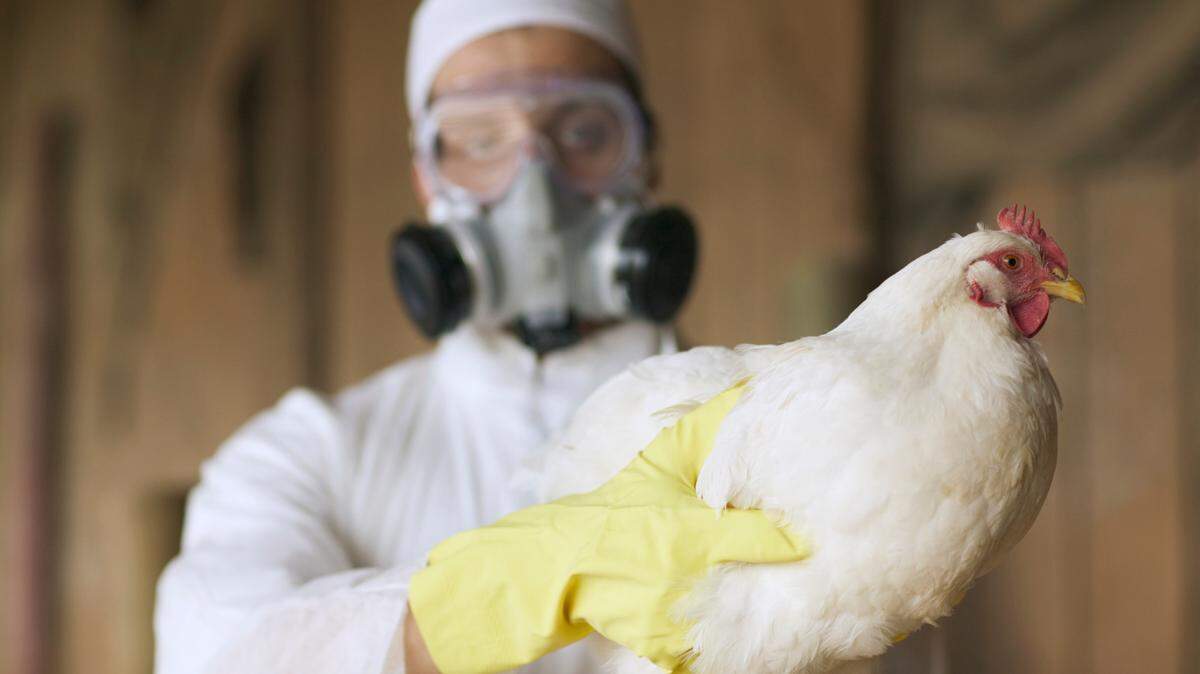
The Kentucky Department of Agriculture announced Monday a confirmed case of high pathogenic avian influenza — deadly bird flu — in a flock of commercial broiler chickens in Fulton County, with a second suspected case in Webster County.
There is no food safety risk, officials said. But with recent cases of the virus cropping up in Virginia and Indiana, we asked agriculture officials for more information on what a the detection means for consumers, backyard poultry owners and more.
Does bird flu pose a risk to humans?
It does not. In an article published Feb. 9, the U.S. Centers for Disease Control and Prevention said the detected infections pose a low risk to humans.
“Human infections with HPAI A(H5) bird flu viruses are rare but can occur, usually after close contact with infected birds,” according to the CDC. “No human infections with highly pathogenic avian influenza A viruses have been detected to date in the United States.”
The KDA reiterated that in its own release Monday.
However, those in close contact with potentially infected birds, such as poultry workers, do have an increased chance of exposure, the CDC said.
Is it safe to eat chicken and eggs right now?
Yes, there is no risk to the food supply or food safety risk, the KDA said. Both eggs and meat are safe to eat when handled and cooked properly to an internal temperature of 165 Fahrenheit.
Birds at locations with detected cases will not enter the food system.
Will this affect production or prices at the grocery store?
It’s too soon to say, KDA spokesperson Sean Southard told the Herald-Leader.
“We are still assessing impact at this time. It’s simply too early to tell. But — that raises the point about why it is critical to stop spread immediately so that it doesn’t have a broader impact,” he said.
The outlook could shift rapidly if the outbreak becomes more widespread and affects more commercial producers. The U.S. is the largest poultry producer in the world and second largest exporter of poultry meat, according to the U.S. Department of Agriculture.
The question around supply and cost is critical as grocery prices continue to climb across the nation, jumping by 11% in the consumer price index over the past two years, CNN reports.
The commonwealth ranks seventh in the nation for broiler production, as in chickens raised for meat. The broiler and egg industry in Kentucky had an economic impact of $856 million in 2020, according to the KDA.
What are the symptoms of bird flu? How do I protect my backyard chickens?
In a video produced as part of Kentucky’s 2022 Avian Influenza Response Plan, State Veterinarian Dr. Katie Flynn said it is critical poultry producers and owners be on alert to detect signs of the flu in their flock.
“This is a highly pathogenic strain of avian influenza that affects poultry. It’s highly contagious and spreads very easily,” she said. “It is deadly to birds, so it’s important to identify birds that are sick early so we can contain the virus.”
Symptoms include:
- Decreased water and feed consumption
- Respiratory signs
- High mortality
Flynn recommends limiting your flock’s exposure to the wild bird population, to include migratory waterbirds and waterfowl.
The USDA also encourages all poultry owners, large and small, to practice good biosecurity, like implementing a perimeter buffer area around where your birds are kept, disinfecting enclosures, disposing of manure properly and managing pests.
Owners and poultry managers should also report sick birds promptly. To report a suspected case, call the commonwealth’s sick bird hotline at 1-866-536-7593. The KDA is updating the public on the outbreak at Kyagr.com/hpai.