
Fungus gnats buzzing about your potted plants? Zap them with tips from a UK entomologist
It’s a problem University of Kentucky entomologist and assistant professor Jonathan Larson knows well: fungus gnat infestations that seem to get out of control and take over homes this time of year.
“It happens usually at the start of autumn and then builds throughout the winter,” Larson told the Herald-Leader, summing up the problem people often experience when they bring their potted plants indoors ahead of the first frost
“It generally happens to everybody” who have few houseplants around their home, Larson explained.
We spoke to Larson about how people can tame this problem, and luckily, there a few tried and tested tips to get the job done. Here’s how to get rid of those teeny gnats buzzing about your potted plants.
What exactly are fungus gnats?
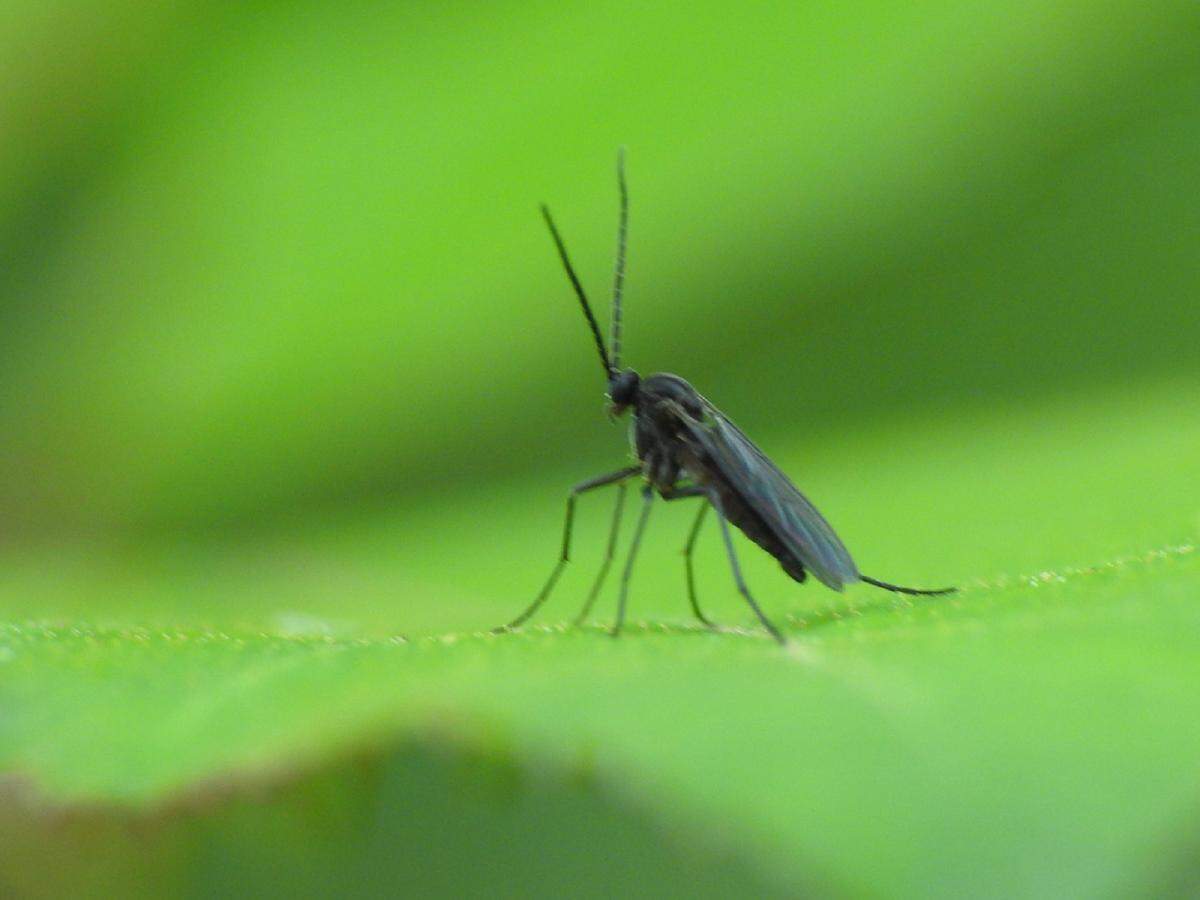
Not to be confused with fruit flies — those small brown or black flies with red eyes — fungus gnats have a longer, more narrow body shape, more like a mosquito’s.
A fungus gnat wants to nest and lay eggs in the soil of your indoor potted plants or garden to feed on the organic matter there.
A fruit fly, on the other hand, is more interested in those overripe bananas on your counter, the rotting vegetable scraps in your trash can or the slime in your kitchen sink’s drain.
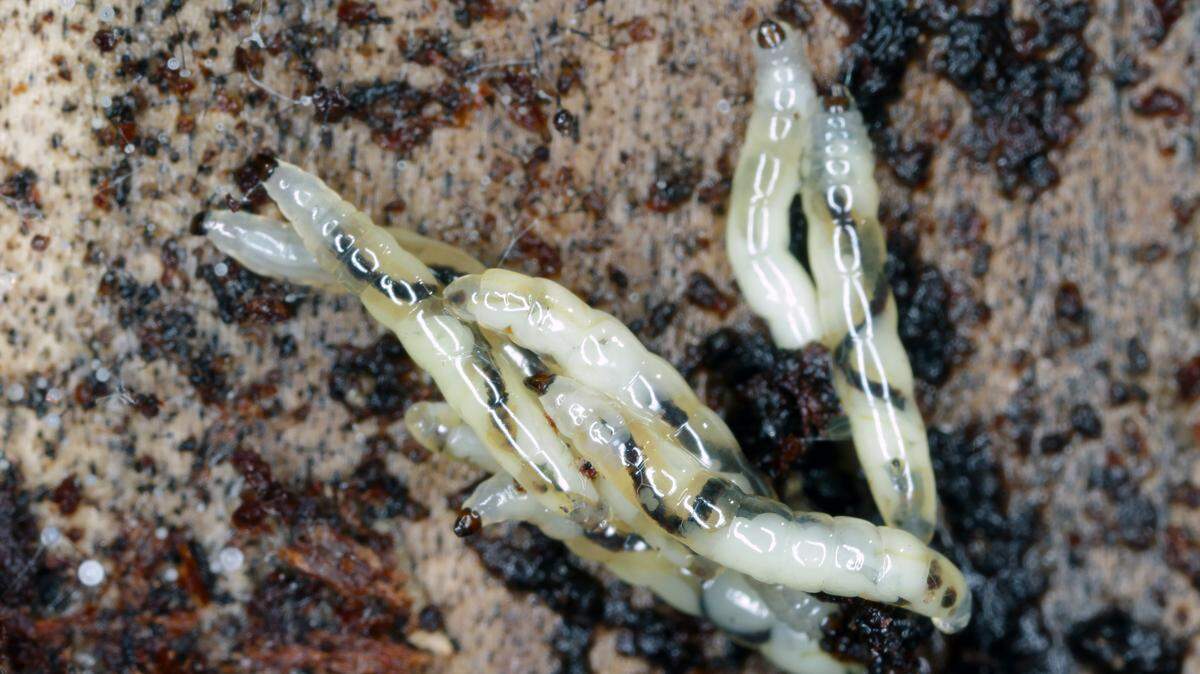
If you have trouble telling the difference, you’ll know if you’re dealing with fungus gnats if you can dig through your plant’s soil and find small, maggot-like larvae with black heads. Those are immature fungus gnats, and they’ll soon become adults after feeding on your plant’s roots and the organic matter in the soil, in the process sapping vigor and life from your plant.
How do you get rid of fungus gnats?
If you spend a little time learning about them on the internet, you’ll know there are many purported solutions claiming to be the silver bullet for your fungus gnat problem. Commonly offered advice bids beleaguered plant caretakers to rinse the soil with hydrogen peroxide, use sticky traps, spray with neem oil, sprinkle cinnamon on the top soil or try other home remedies.
While you may have some success with these treatments, you’ll likely find the gnats come back with a vengeance shortly thereafter. That’s because you’ve only really targeted one generation of the gnats, which reproduce rapidly in warm conditions.
You need to attack the infestation with a multi-pronged approach, making sure you’re targeting the gnats at each stage of their life cycle, from egg, to larva, to pupa and adult.
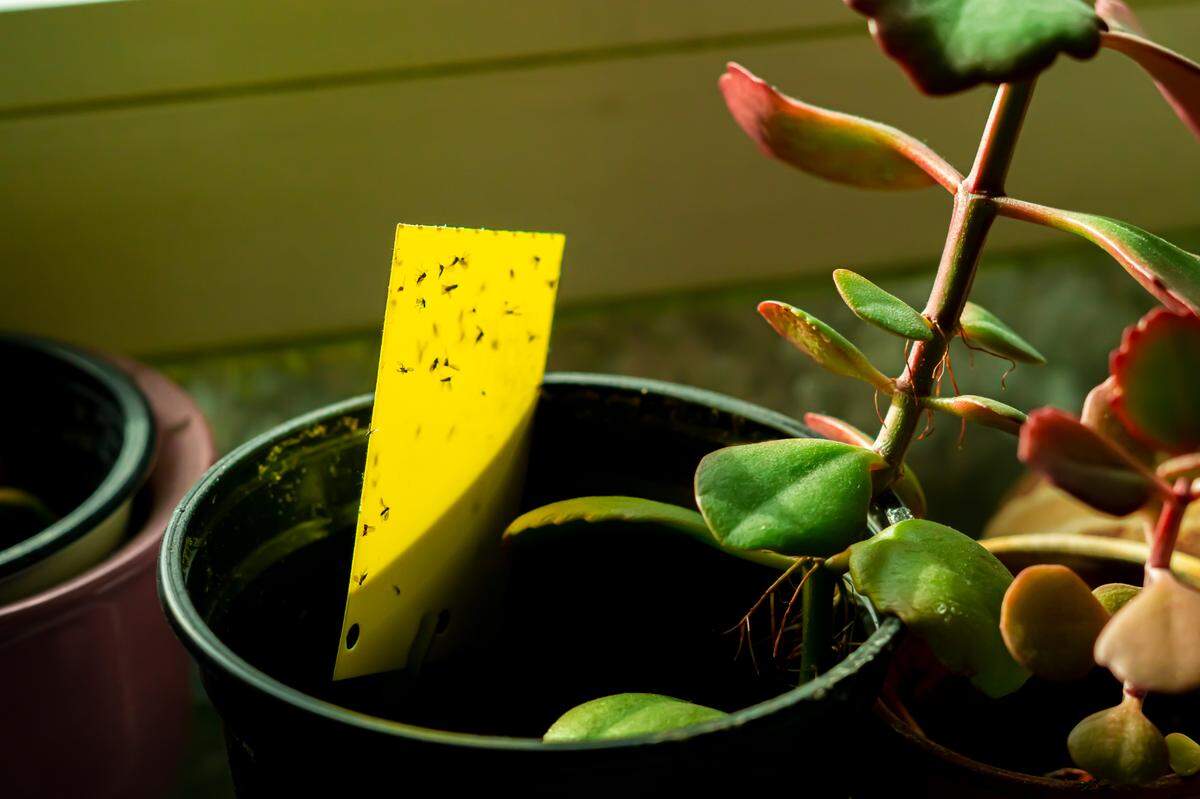
Larson recommends you start by pinpointing the problem. To do this, first place some yellow sticky traps near the plant. Within a day or so, any fungus gnat activity should be immediately obvious.
To confirm that they’re reproducing in the soil, Larson suggests placing potato slices on the potting medium’s surface. The larvae won’t pass up this carbohydrate-rich source of food and will surface to feast on the potato peels.
By now, you should know which of your plants the fungus gnats seem most interested in and you can target your attack accordingly. Larson recommends a few different approaches here.
First, immediately cut back your watering schedule to let the first few inches of soil dry out. Fungus gnat larvae thrive in moist conditions. If the plant is absolutely besieged, completely repotting and replacing the soil may be your best option.
If your plant prefers the soil to stay moist, in the case of ferns or prayer plants for example, look for products containing a bacteria called bacillus thuringiensis israelensis, abbreviated as BTI.
According to the U.S. Environmental Protection Agency, BTI is a naturally occurring bacterium found in soils. It contains spores and toxins that specifically target and only affect the larvae of mosquitoes, black flies and fungus gnats. While deadly to mosquito and fungus gnat larvae, BTI doesn’t pose a risk to humans or the plants it’s used on.
“It’s not going to do anything to the plant. It’s insect specific,” Larson said.
According to the EPA, BTI has no toxicity to people and is approved for pest control use on organic farms that don’t use chemical pesticides or fertilizers. What’s more, you can use BTI in your garden without worrying about harming pollinators, like honeybees.
By adding some BTI to your watering can, along with sticky traps to target the adults flying about, you can gradually cull the infestation of fungus gnats in your home and keep them under control going forward.
Do you have a question about insects or wildlife in Kentucky for our service journalism team? We’d like to hear from you. Fill out our Know Your Kentucky form or email ask@herald-leader.com.