
Planning to rake those leaves in your Kentucky yard this fall? Why you should reconsider
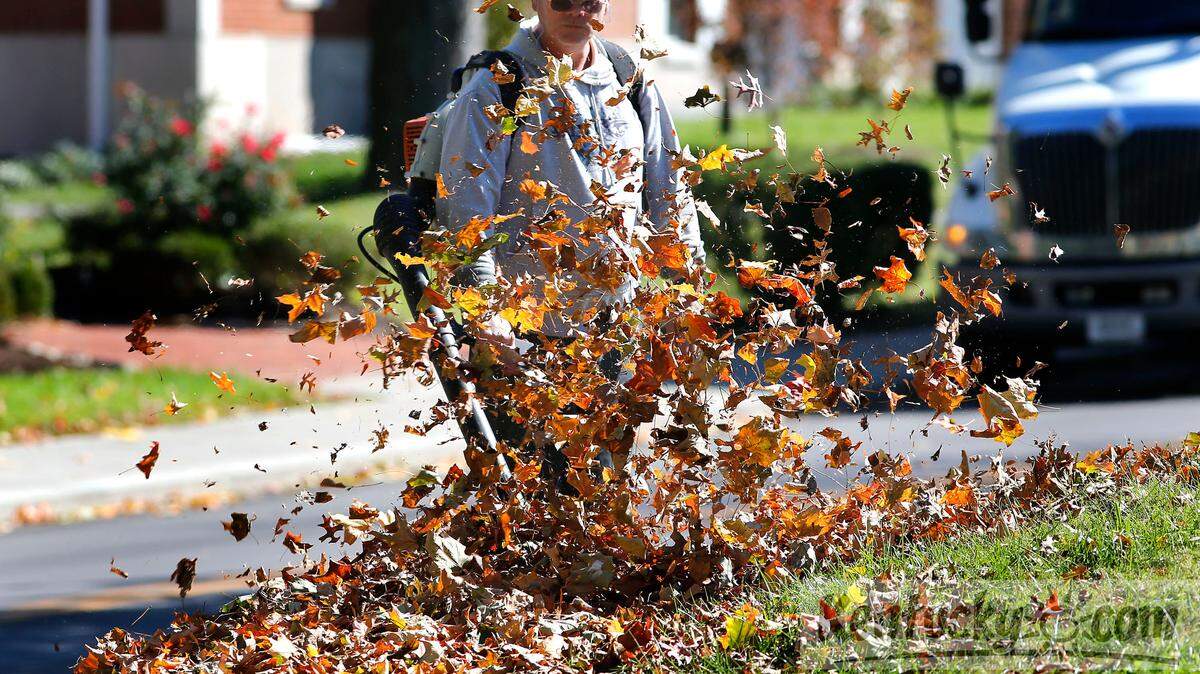
It’s fall again, and if you’re raking those leaves that litter your lawn into a pile, only to bag them up to be hauled away, you’re throwing away a free and valuable natural resource.
Deciduous trees have evolved to drop their leaves in part because it offers a way to recycle some nutrients, deter weed growth and protect their roots during the harsh winter months. You can put those benefits to work in your garden or backyard, giving it new life in the spring to come.
Here’s a look at all the things you can do with excess leaf litter, including a review of Lexington’s leaf disposal services.
Make leaf mold for your garden
Leaf mold is the compost that forms during the decomposition of deciduous tree and shrub leaves, mainly by fungal and not bacterial action. As a result, it’s a cooler process that doesn’t rely on building heat in the way conventional composting does.
The result is dark, crumbly compost with a fresh, earthy aroma that smells like a forest. It also makes for a top-notch soil amendment and rooting medium for seedlings, as explained by the N.C. Cooperative Extension. Why go to the garden center every spring to buy mulch when you can get it for free with leaf mold?
All you really need is the leaves themselves and an out-of-the-way place on your property where you can rake them into a big pile. You can even speed up the decomposition process to as little as 12 months with the right set up.
Just make sure to stick with the leaves in your front or backyard. Tree leaves that have fallen on the street pavement or right beside it could contain harmful pollutants you don’t want, according to Compost Magazine.
Mow a light layer of leaves into your lawn
If you’re looking for a faster way to make use of those leaves littering your lawn, mowing them is a great option.
A light layer of leaves works best for this approach. As explained by the University of Illinois Extension, make sure you can see the grass beneath the cut-up leaves. If the leaf layer is allowed to accumulate too thickly, it will choke off and smother the grass. The leaves should also be dry before you mow; soggy leaves clump together, making it difficult to achieve the desired effect.
Ideally, you want the shredded leaves to drop between the blades of grass to the soil level. After that, soil microbes will take care of the rest, breaking them down into organic matter and nutrients your yard can use.
Other ways to use fallen leaves in your yard or garden
There are of course several other ways to make use of fallen leaves, a few of which include:
Use them as a brown material for your existing compost set up. If you’ve already started a compost pile, you know carbon-rich brown materials are essential to balance out green materials, which provide nitrogen. Green materials, such as readily available fruit and vegetable scraps, tend to accumulate faster than browns. Dry leaves offer an easy way to reset that balance.
Make a protective mulch. A layer of freshly chopped leaves will help protect ornamental shrubs and your vegetable garden, according to advice from The Old Farmer’s Almanac. You will want to make sure they’re chopped, as matted leaves aren’t good for your garden.
Leave them where they lie. If you want to see more pollinators around your yard, such as bumblebees and butterflies, consider leaving a layer of leaves for overwintering organisms. Bumblebee queens are known to seek out leaf litter or soft soil to burrow into and some species of butterflies even lay eggs on them.
Where you can take excess leaves in Lexington
Lexington no longer uses its once-a-year vacuum approach to removing residents’ leaves, but there are still other options available to you.
Those removal options include:
Let the city pick them up. Crews pick up yard waste on trash day. According to the city, residents should first fill up their gray cart, then make use of yard waste bags once that is full. Make sure the bags are made of paper and not plastic. Otherwise, they’ll be taken to the landfill. If you don’t have a gray cart or need a new one, contact LexCall at 311 or submit a request online.
Bring the leaves to the city’s mulching facility. You can bring excess leaves to the Haley Pike Waste Management Facility now until December. The service is free, but proof of residency is required, so bring along a bill or form of ID. The facility, located at 4216 Hedger Lane, is open from 8 a.m. to 5:30 p.m. Monday, Tuesday, Thursday and Friday, according to hours shared on the city’s website.
Once you’ve finished with your annual autumn yard work, you may want to get out of town and see the last of the season’s leaves in Kentucky, which reportedly has some of the best drives for foliage this year.
Do you have a question about the environment in Kentucky for our service journalism team? We’d like to hear form you. Fill out our Know Your Kentucky form or email ask@herald-leader.com.