
It’s likely to be an aggressive summer for ticks in KY. Here’s what to look out for
Ticks thrive in warm, humid climates, and the mild El Niño winter Kentucky saw this year is likely to be a boon for their populations.
It sets the stage for an active tick season this spring and summer, according to University of Kentucky entomologist Jonathan Larson.
“That’s exactly what we worry about,” Larson wrote the Herald-Leader last week in an email. “Less trials and tribulations over the winter, not only for ticks but for their various hosts, and then over the summer the potential for more habitat to grow that they like to live in.”
According to the National Weather Service in Louisville, Kentucky experienced a top 10 warm winter this year with below-normal snowfall. In its largest cities, the average temperature hovered around 40 degrees Fahrenheit. Ticks can be active year-round, including on warm winter days when ground temperatures are above 45 degrees.
Even under normal winter conditions, ticks can survive by finding cover under leaf litter or in underground burrows, and scientists theorize ticks can even produce their own antifreeze to help them survive frigid temperatures.
Additionally, Kentucky is likely to see a warmer, wetter summer this year, according to projections from the nation’s Climate Prediction Center. Ultimately, that means greater vegetation growth and more habitat for ticks.
What are the tick-borne diseases of concern in Kentucky?
Tick-borne diseases are spreading as the natural range of ticks is expanding, according to the U.S. Centers for Disease Control and Prevention.
In Kentucky, the most common tick-borne disease is Rocky Mountain spotted fever, with symptoms that usually manifest as fever, headache, vomiting and abdominal or muscle pain. A rash can also form on the wrists, ankles and forearms.
While you may have heard Kentucky has the fastest-growing Lyme disease outbreak in the U.S., that claim is actually misleading.
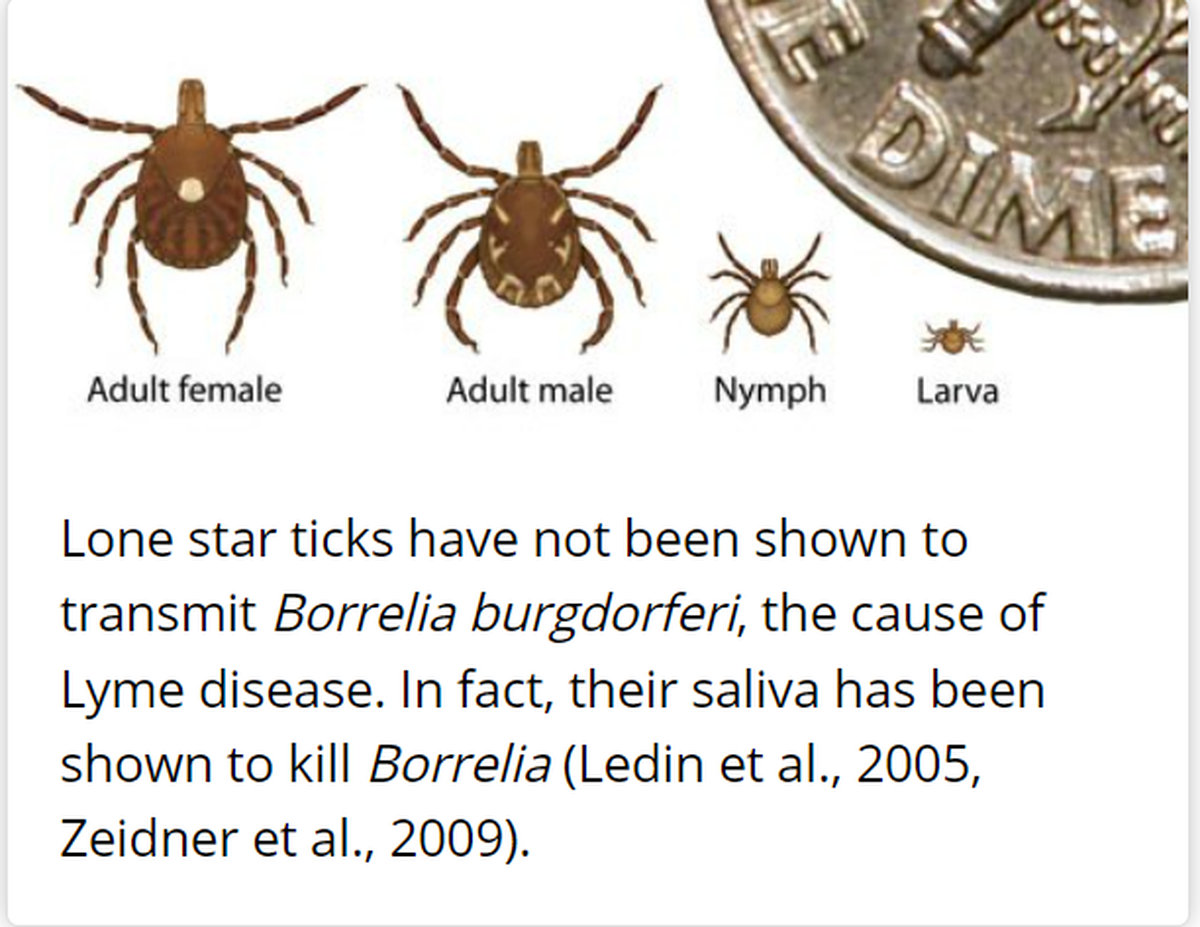
The bacterium that causes Lyme disease is transmitted by the blacklegged tick, more commonly known as the deer tick. Dog ticks and Lone Star ticks, which are some of the most common varieties in Kentucky, are not known to carry Lyme disease, and the illness isn’t very common in the state. Those two tick varieties instead carry the mysterious STARI virus or cause alpha-gal syndrome, also known as the red meat allergy.
According to Larson, the entomologist, the red meat allergy is a concern in Kentucky.
“Our primary tick species is the Lone Star tick. It is most famous for its association with the red meat allergy, which isn’t caused by a pathogen but rather a sugar molecule the tick accidentally transfers to us,” Larson said.
Larson said Kentucky is one of the hotbed states for the tick-borne red meat allergy.
UK’s Entomology Department offers more information about tick varieties and diseases found in Kentucky.
How can I keep ticks out of my yard?
If you’ve spent some time in your backyard only to pick up a tick, it most likely latched on to you as you wandered by some brush or other vegetation.
As explained by Larson, ticks don’t like to live in the middle of yards or pastures, “much like their vampiric brethren in folklore they don’t prefer to be in sunny areas,” he said.
You’re much more likely to encounter ticks on properties that are overgrown or butt up against forested areas. The solution could be as simple as keeping the grass cut throughout peak tick season.
“This can include natural methods such as brush removal and mowing near the home and along the edge of the property, creating a three-foot wide barrier of mulch or gravel on the edge of the property to create a no-tick zone, keeping recreational areas (decks, swing sets, pools, etc.) away from ticky areas, and decluttering the yard to reducing hiding spots for ticks,” Larson said.
Do you have a question about critters in Kentucky for our service journalism team? Send us an email at ask@herald-leader.com or submit your question or comment via the Know Your Kentucky form below.