Ted Bassett, KY equine ambassador to the world and former Keeneland chair, dies at 103
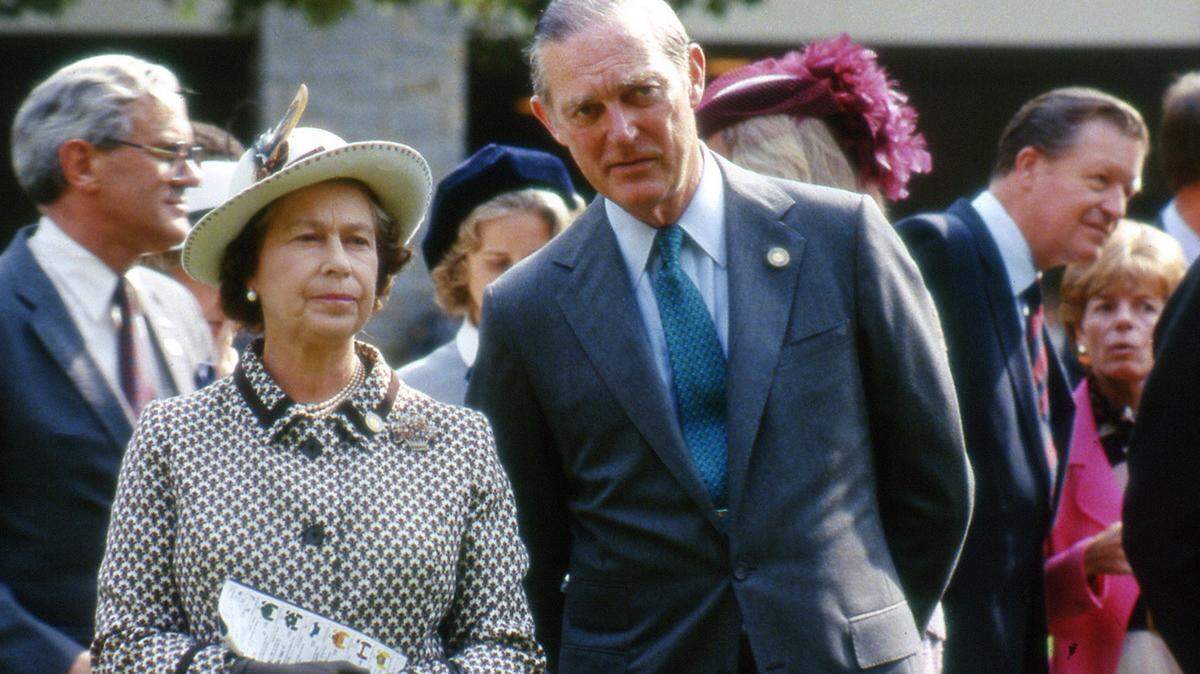
Longtime Kentucky horseman James E. “Ted” Bassett III, known internationally as an ambassador for the state and the industry, died Jan. 23 at the age of 103 at his home in Lexington.
Keeneland, the Lexington racetrack and thoroughbred sales company, announced Bassett’s death. Best known for his 38-year tenure at the Keeneland Association, Bassett was influential around the world and in Kentucky.
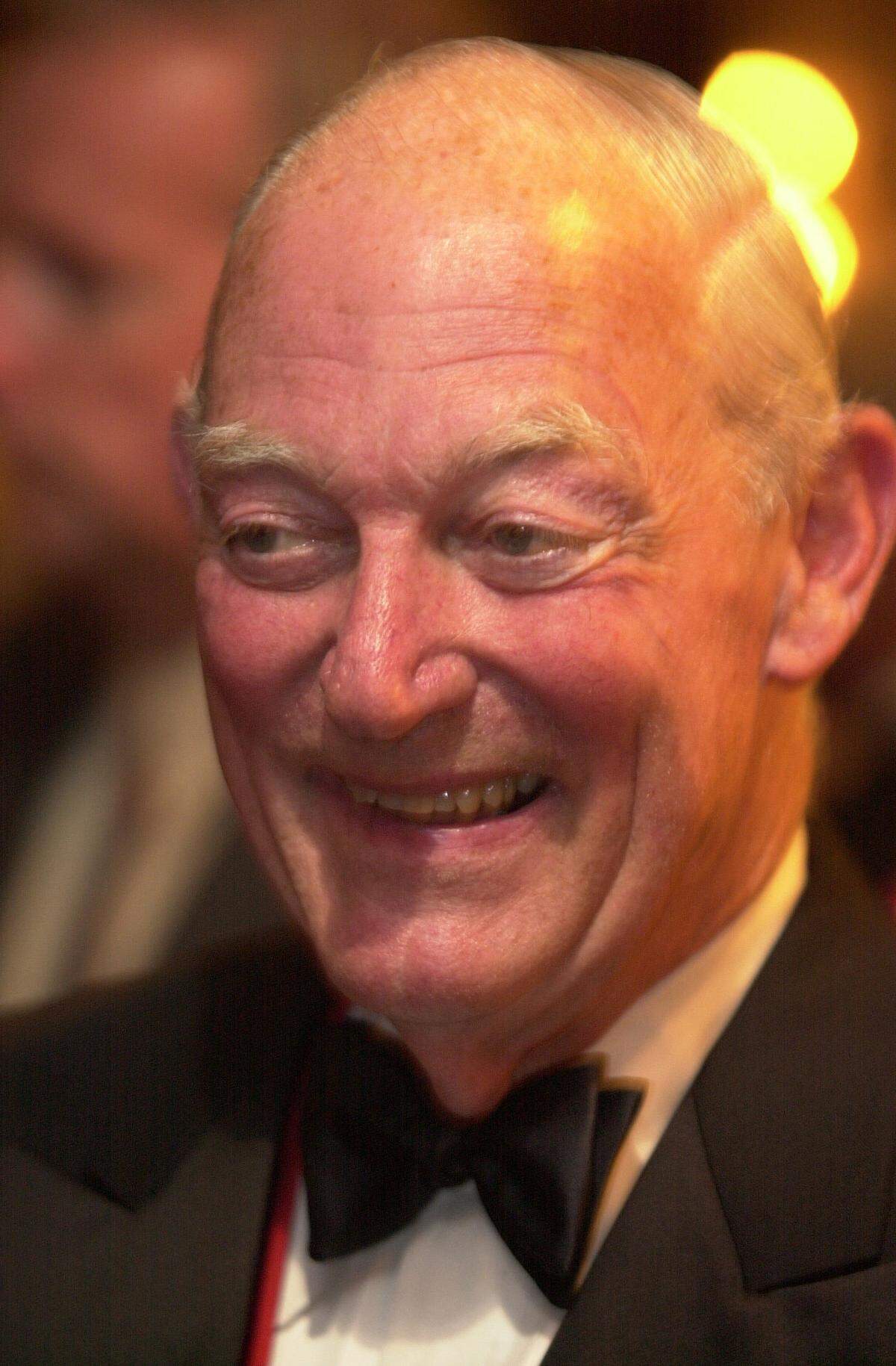
“Mr. Bassett was a cherished member of the Keeneland family, and while we are saddened by his passing we celebrate his remarkable life and indomitable spirit,” Keeneland President and CEO Shannon Arvin said in a news release. “He was the embodiment of class and integrity, and his commitment to preserving Keeneland’s mission and brand, often during challenging times in history, enabled our racing and sales operations to soar to new heights and set the standard for the industry.
“Mr. Bassett was a giant internationally as a leader, visionary, philanthropist, beloved icon and friend, and one of our sport’s greatest ambassadors,” Arvin said. “Though I have no doubt he would want most to be remembered as a humble man who worked every day to enhance Keeneland, the thoroughbred industry and his hometown of Lexington.”
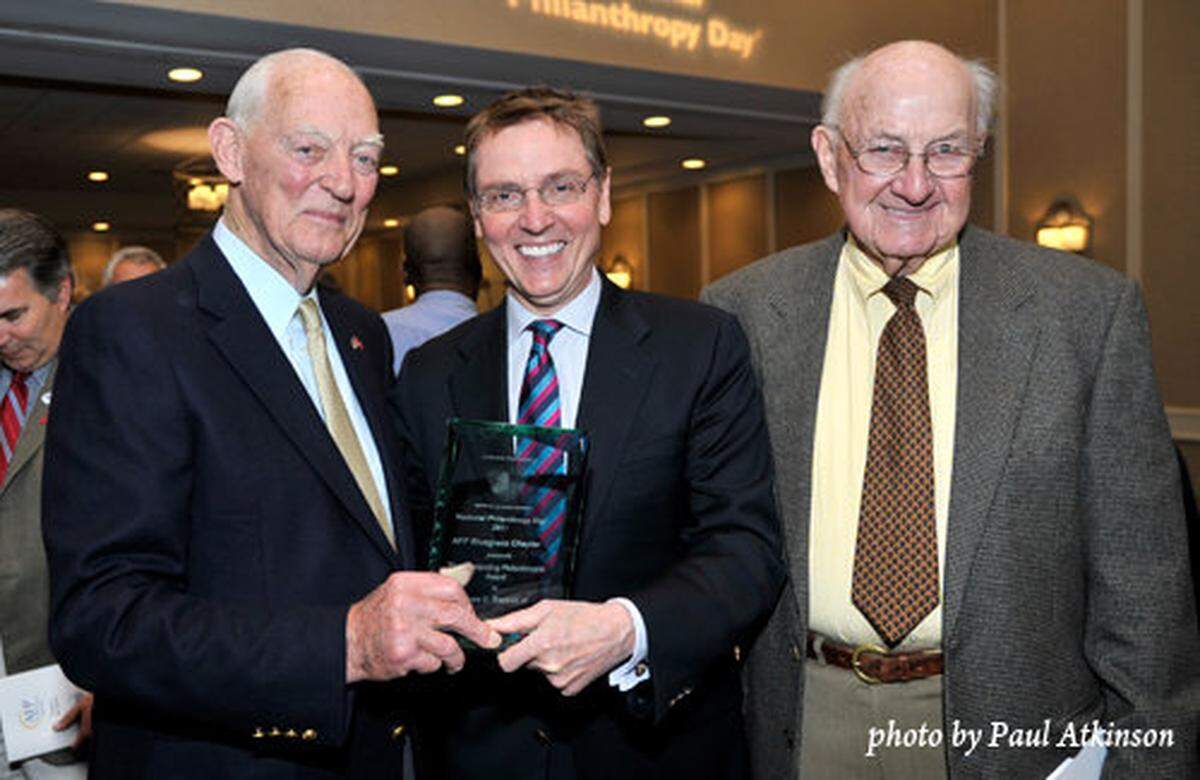
Born in Lexington Oct. 26, 1921, Bassett was chairman of the Keeneland from 1986 to 2001; before that, he served as the Lexington racetrack and sales association’s president for 16 years. Even after he retired as chairman, Bassett continued to serve as a Keeneland trustee until 2006.
Under his leadership the track expanded and attracted a worldwide audience for Kentucky-bred horses, welcoming Queen Elizabeth II and Elizabeth Taylor, George Hamilton, President Reagan, Ashley Judd and many celebrities.
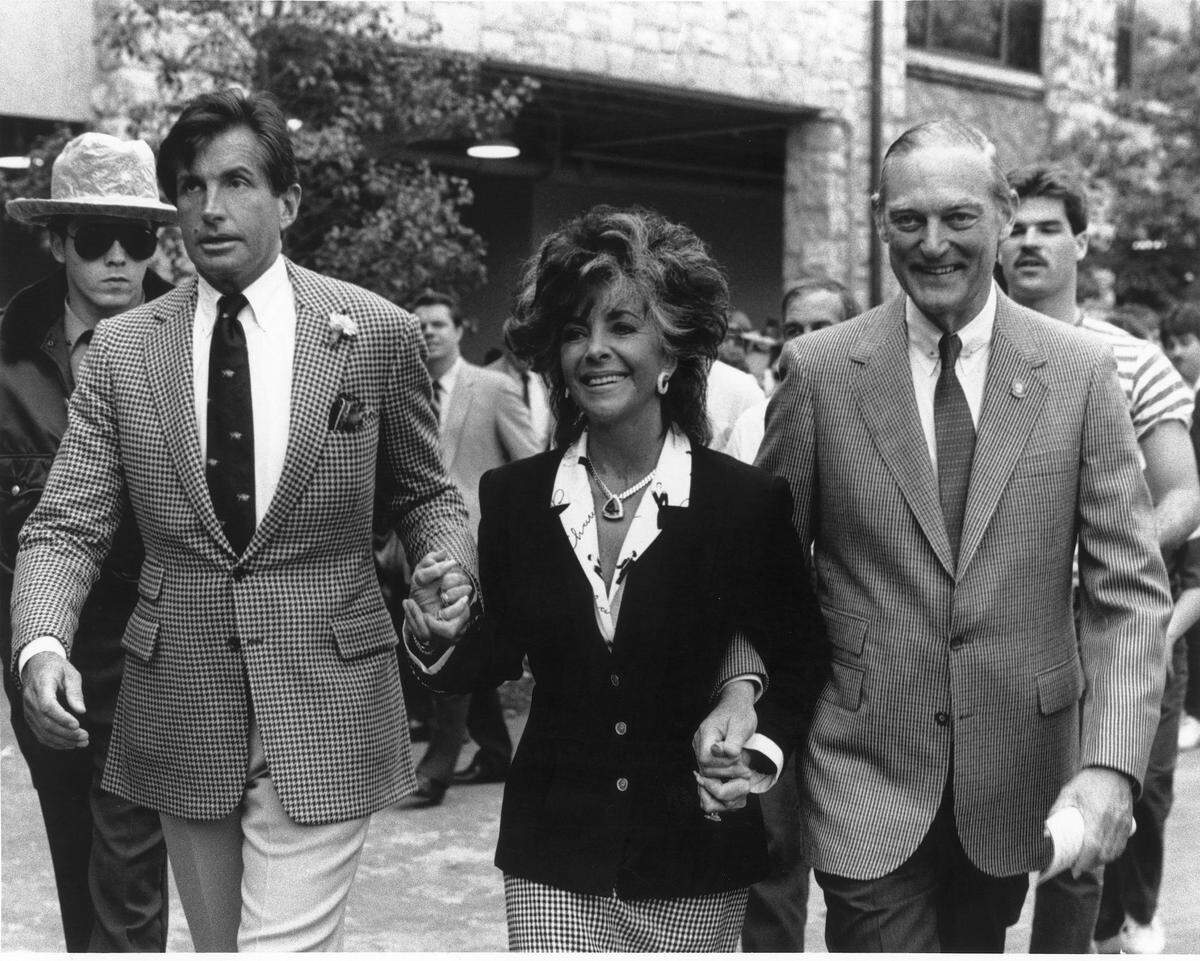
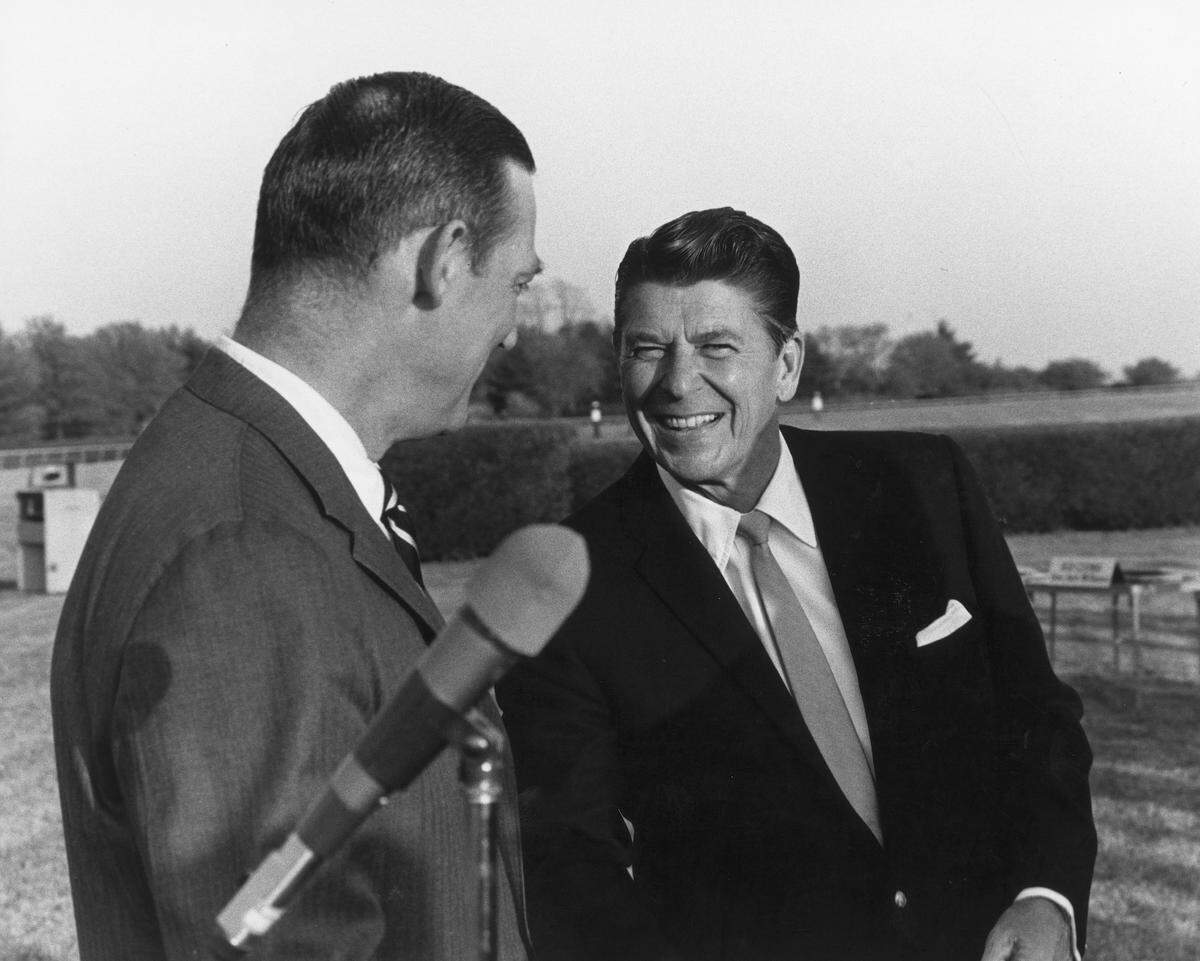
He led many thoroughbred industry groups, serving at various times as president of Breeders’ Cup, of the Thoroughbred Racing Associations of America, of the Thoroughbred Racing Association, of the University of Kentucky Equine Research Foundation, trustee of the National Museum of Racing and Hall of Fame, founding chairman of the Kentucky Horse Park and as a steward of The Jockey Club.
In 1984, he teamed with other influential equine industry representatives to help establish Maxwell Gluck Equine Research Center at the University of Kentucky, with Keeneland pledging $1 million toward the effort.
Bassett also helped raise $2.7 million to save the Calumet Farm Trophy Collection from the auction block after the legendary farm declared bankruptcy. The collection is housed at the Kentucky Horse Park’s International Museum of the Horse, which honored Bassett with an exhibit of his life in 2014.
In 1996, Bassett received an Eclipse Award of Merit in recognition of his lifelong service to the thoroughbred industry, and In 2019, he was selected for induction into the Racing Hall of Fame as a group recognized as Pillars of the Turf.
But he came to the horse industry through an unusual route: law enforcement.
Yale graduate, Marine, law enforcement
As an undergraduate at Yale when World War II broke out, Bassett enlisted in the Marine Corps. He was sent back to college to complete his degree and go through officer training. After he graduated in 1944, Bassett went to boot camp, something he said was a huge shock.
“I was just an average American like everybody else,” Bassett said in “Ted Bassett: A Kentucky Gentleman,” a documentary on his life. But he credited the Corps with molding him into a disciplined leader.
“He never left the Marine Corps. He’s still in it to this day,” horse trainer D. Wayne Lukas said in the film.
Bassett was shipped to Guadalcanal and then to the Fourth Marines, who landed on Okinawa in April 1945. There, Bassett was wounded in his right hand and knee. He later received a Purple Heart and the Presidential Unit Citation.
After the war, Bassett eventually ended up in New York, selling newsprint. He married fellow Lexingtonian Lucy Gay in 1950, and they moved back to Kentucky, where Bassett went to work for his father-in-law as a tobacco farmer.
But then he went in another unlikely direction: the Kentucky State Police. As Kentucky’s deputy director of public safety and then director of the Kentucky State Police, Bassett is credited with eliminating political promotions, doubling starting salaries, adding retirement benefits, and expanding training with the state police academy.
During his tenure, the first Black state trooper was hired, and the training college at Eastern Kentucky University was founded.
Kentucky State Police released a statement about Bassett’s death, calling him “a true hero and proud Kentuckian. Mr. Bassett’s dedication to public service extended far beyond his heroic contributions as a decorated World War II Marine, where he received a Presidential Unit Citation and two purple hearts; his legacy as KSP’s Director from 1963 to 1967 still makes an impact to this day.
Mr. Bassett made many contributions to the Commonwealth, one of the most famous being the establishment of Trooper Island Camp, Inc., which stands as a reminder of his commitment to shaping young lives. Since its inception in 1965, Trooper Island Camp has provided over 40,000 children with a safe space to learn, grow, and thrive — an enduring reflection of Ted’s passion for creating meaningful change to our Commonwealth.”
Horse racing or Kentucky Fried Chicken?
When he left the state police in 1967, Bassett had two job offers: John Y. Brown asked him to be president of Kentucky Fried Chicken, and Louis Haggin asked him to come to Keeneland (for much less money.)
Bassett chose Keeneland, and in 1968 he became an assistant to then-president Louis Lee Haggin II and he began bringing the racing industry into the 20th century.
He undertook a series of multimillion-dollar construction and capital projects at Keeneland over the mid-1970s and 1980s and improved every aspect of operations: renovation and expansion of the Clubhouse and Grandstand, new admission gates and dining rooms, increased parking, development of the Training Center on Rice Road, renovation of the training track, new barns in the stable area, the addition of all-weather saddling stalls in the Paddock, enhancements to the Sales Pavilion and construction of an enclosed back ring and installation of the famous Keeneland hedges.
He was a longtime champion of Keeneland Library and was instrumental in creating its world-renowned collections, research, preservation and outreach facility.
“Those early days, frequently, I’d look in the mirror and say what am I doing here?” Bassett said. “It was like trying to turn a battleship in a bathtub.”
Influence on racing worldwide
But his efforts paid off: Thoroughbred sales soared and racing became more international, culminating in Queen Elizabeth II’s visit to Keeneland in 1984.
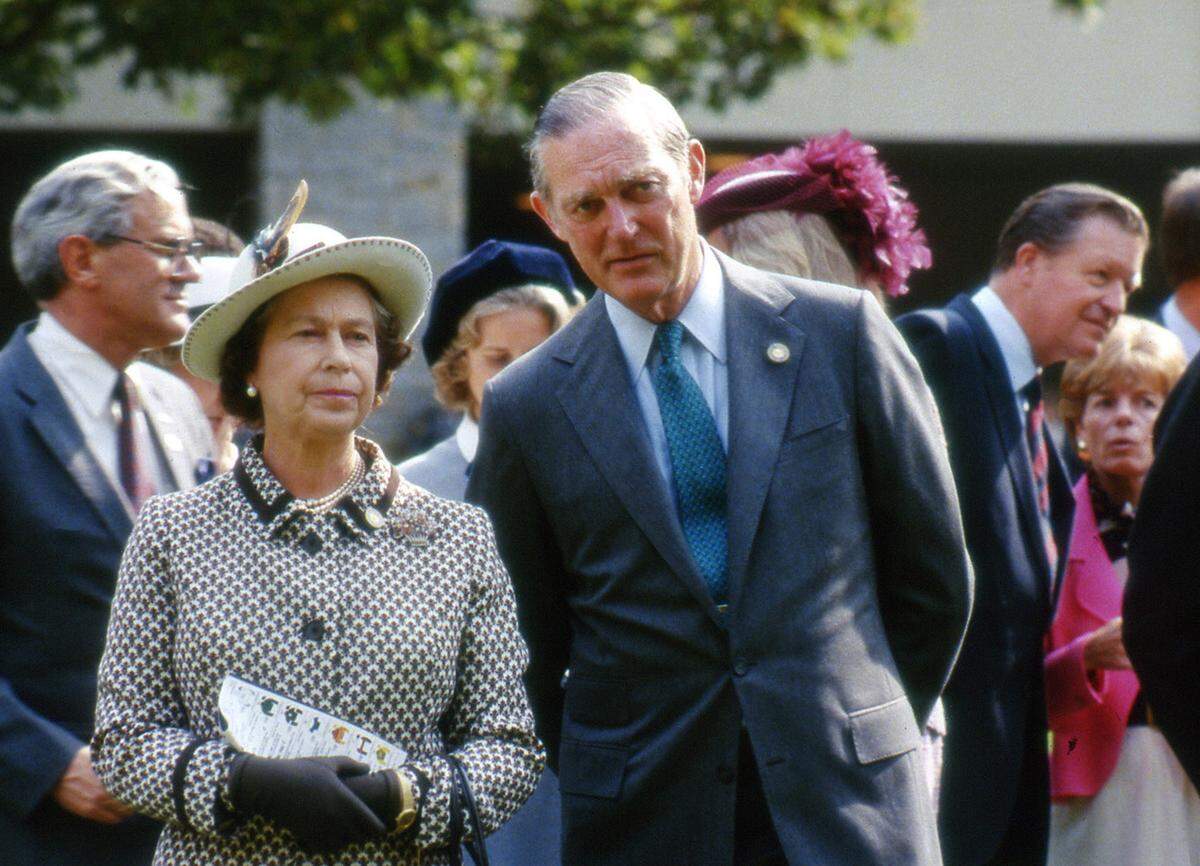
Keeneland sold Canadian Bound for $1.5 million in 1976 to become the world’s first million-dollar thoroughbred yearling and sold Snaafi Dancer for $10.2 million in 1983 to become the first yearling to bring eight figures, according to the news release.
Today, foreign buyers spend millions every year at Keeneland’s horse auctions.
Bassett was an Honorary Member of the Victoria Racing Club of Australia, the Hong Kong Race Horse Owners Association and the Association of Jockey Clubs of Latin America. He was a recipient of the Eclipse Award of Merit, the Lord Derby Award, the U.S. Marine Corps Semper Fidelis Award and Department of the Navy Superior Public Service Award. He held honorary degrees from the University of Kentucky and Transylvania and Eastern Kentucky Universities.
His wife, Lucy Gay, died in May 2016; he is survived by his sister-in-law Anne Pinckney Gay; nephew James Edward “Ted” Gay (Alyson); nieces Elizabeth Gay Freeman (George), Charlotte Gay Stites (John Clay) and Anne Gay Donworth and many great nephews and nieces.
Visitation will be Jan. 27, 3 to 7 p.m. at the Keeneland Clubhouse. Funeral will be Jan. 28, 11 a.m. at Central Christian Church, 205 E. Short St., under the direction of Milward Funeral Home, with private family graveside ceremony at Lexington Cemetery to follow.
This story was originally published January 24, 2025 at 11:41 AM.