
Sightings of this scavenger are on the rise in KY. It’s been spotted in every county
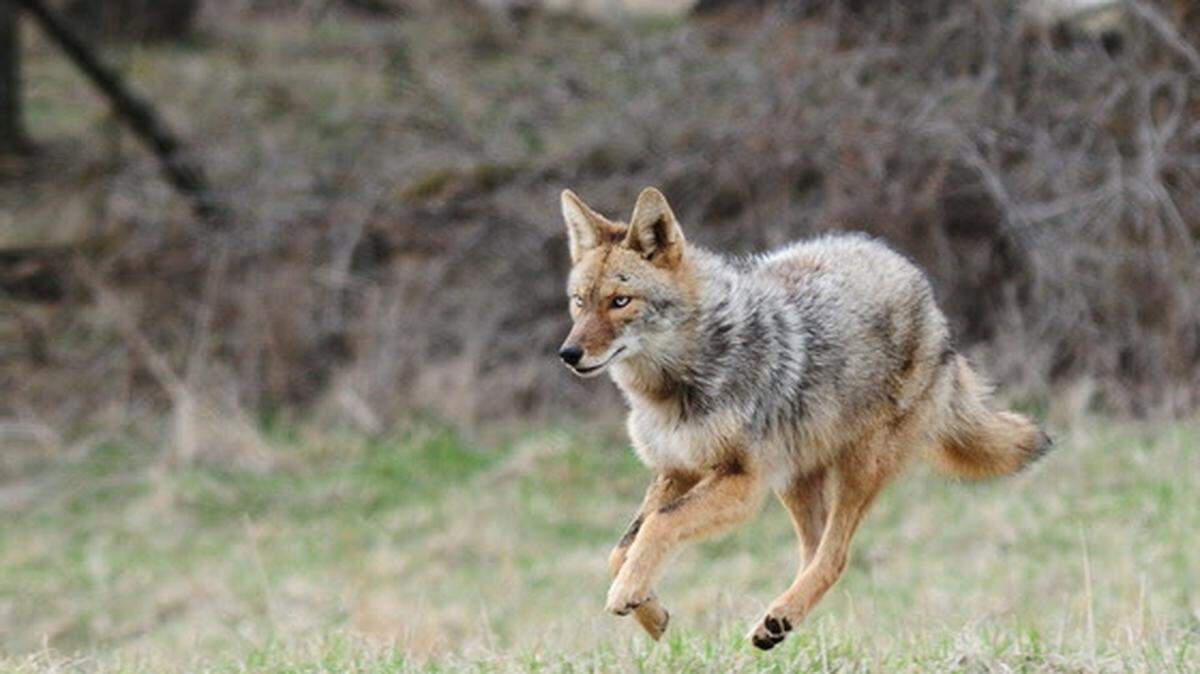
Coyote sightings are on the rise across Kentucky as the winter mating season is underway with pup-rearing in the spring and early summer to follow.
While they aren’t native to the Bluegrass State, coyotes have been spotted in every Kentucky county, be they rural or urban.
Coyotes rarely pose a threat to people, though they can lose their fear of humans and become a nuisance if they’re fed. Avoid leaving pet food outside and never intentionally feed them. Pets left outside can also be viewed as prey or competition as coyotes roam freely looking for mates and food.
During this time of year, a typical coyote is either looking to establish its territory for mating purposes or looking to bed down in a den to birth a litter of pups. Those dens could be old groundhog holes, piles of junk or brush or even abandoned buildings and unsealed crawl spaces. It can sometimes be easy to approach one without realizing it.
“They are maintaining their territories, and that’s kind of when some conflicts with domestic dogs occur. They kind of see them as a potential threat,” Laura Palmer, a biologist with the Kentucky Department of Fish and Wildlife Resources, told the Herald-Leader in an interview.
Luckily, there are some common sense steps you can take to minimize encounters with these animals and protect your pets. Here’s what to know.
Are coyotes a problem in Kentucky?
According to Palmer and Kentucky Fish and Wildlife, the most important takeaway to keep in mind is coyotes generally prefer to avoid humans. For a coyote to be drawn to humans, it first has to associate us with convenient sources of food.
You can identify a coyote by its slender snout, erect ears and bottle-shaped tail that’s carried downward and has a black tip. Their coats are most often light, though they can also be yellow to reddish yellow or black. Adults can weigh anywhere from 20 to more than 40 pounds, according to the University of Kentucky’s Cooperative Extension Service.
Coyotes are opportunistic and adaptable feeders. While their natural diet includes rodents, insects and fruits and veggies, they’re not above feeding on discarded food scraps in your unsecured trashcan or pet food left outside.
“We encourage people not to feed their pets outside,” Palmer said. “If they have to, bring in whatever is left over, especially at night time.”
Kentucky Fish and Wildlife recommends following these other tips to avoid attracting coyotes:
Do not leave small dogs unattended in your backyard and keep cats indoors. Palmer recommends varying your walking routines while out with your dog if you know coyotes have been spotted in your area. “They can pattern people’s walking routes and know when the dog is going to come by at certain times every day,” Palmer said.
Keep your trash secured. Discarded food scraps, such as pork chops, have been known to attract coyotes.
Keep your backyard grill clean. Coyotes are sometimes drawn to grease traps.
Bring in bird feeders if coyotes have been spotted in your area, as the rodents drawn to these feeders can entice coyotes.
Fence in your garden. Coyotes also enjoy fruits and vegetables like watermelon, berries, carrots and corn, among others.
Unsecured compost piles, either through their food scraps or the warmth they provide in the winter, can be attractive to coyotes.
Abandoned buildings can home the creatures, especially ones with excessive shrubbery and vegetation that provide plenty of cover as they come and go.
If you’re approached by a coyote or just happen to encounter one while out and about in your neighborhood, take the opportunity to reinforce its fear of humans. This is called hazing. Kentucky Fish and Wildlife recommends you do this by:
Scaring it away immediately. Do not stand and watch it.
Shout, whistle, clap your hands and stomp your feet to make some loud noise.
Make yourself appear bigger and more intimidating by widening your stance and waving your arms.
Throw a rock or stick in its direction, though not directly at it.
Keep scaring the coyote until it is out of sight.
Do not try to haze a coyote that appears injured or sick, is with its pups or near a possible den site. Coyotes will be more on edge in these situations.
Is it legal to hunt coyotes in Kentucky?
Coyotes can be hunted year-round with no limits, provided you have the appropriate hunting license and follow state and local law.
That said, hunting isn’t a viable management strategy, given coyotes have never been eradicated that way, Palmer said. Coyotes respond by increasing their litter sizes and expanding into new areas.
In any case, you may want coyotes around because they provide a natural form of rodent control, Palmer said. The better approach is to learn to coexist with them and have problem coyotes removed.
Kentucky Fish and Wildlife offers a nuisance control lookup tool that connects users to local wildlife removal services.
Do you have a question about Kentucky critters for our service journalism team? We’d like to hear from you. Fill out our Know Your Kentucky form or email ask@herald-leader.com.