
Billions of cicadas to emerge across Kentucky. Share your sightings of them with us
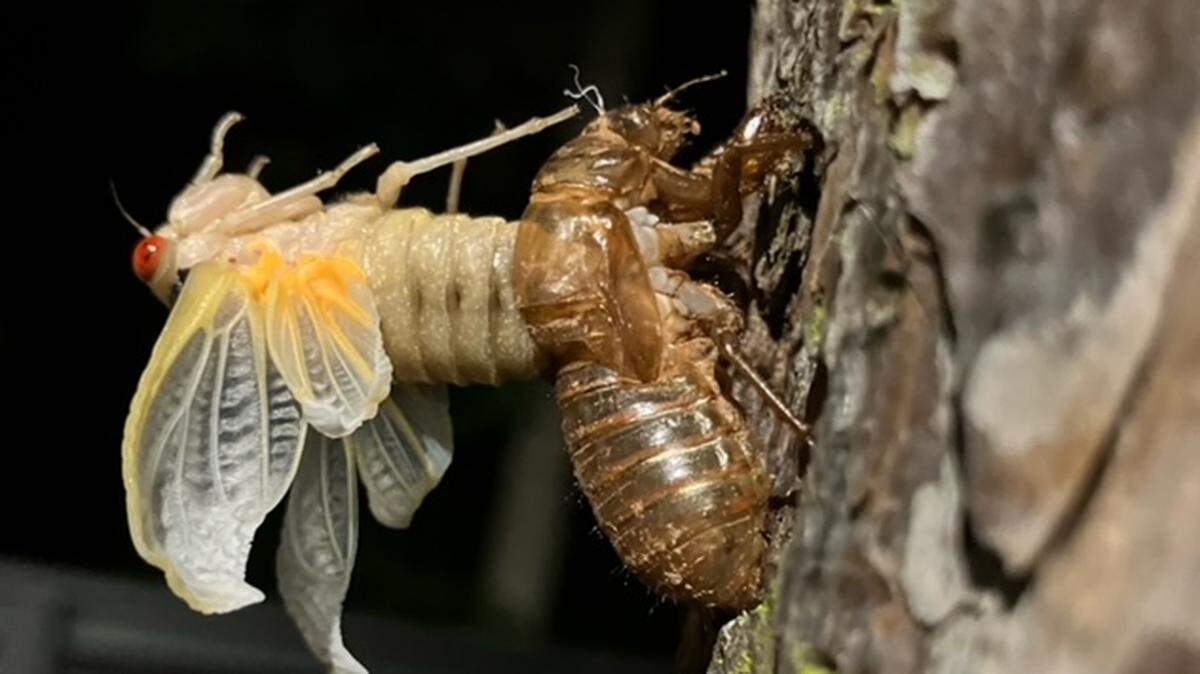
Cicada Brood XIV, also known as the “Bourbon Brood” for its epicenter in central and eastern Kentucky, is now emerging in parts of the state.
Its members have been sighted in Louisville, Cincinnati and even Lexington, with local resident Darrin Belcher capturing some photos near Veterans Park. Belcher snapped the shots May 15. They’re published below with permission.
The cicadas — billions of them — are set to emerge after 17 years underground, bringing with them the screaming song of the males looking for mates.
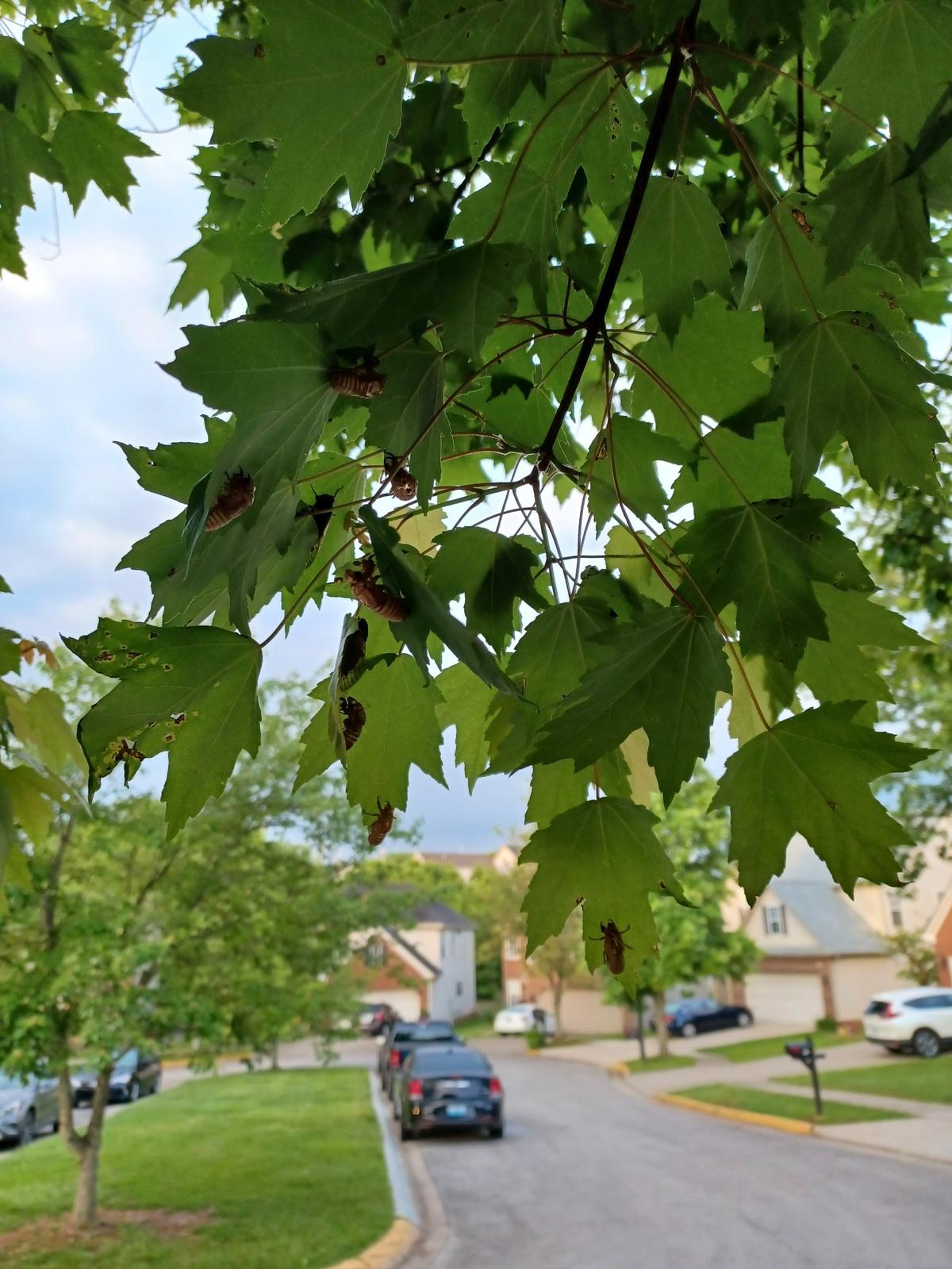
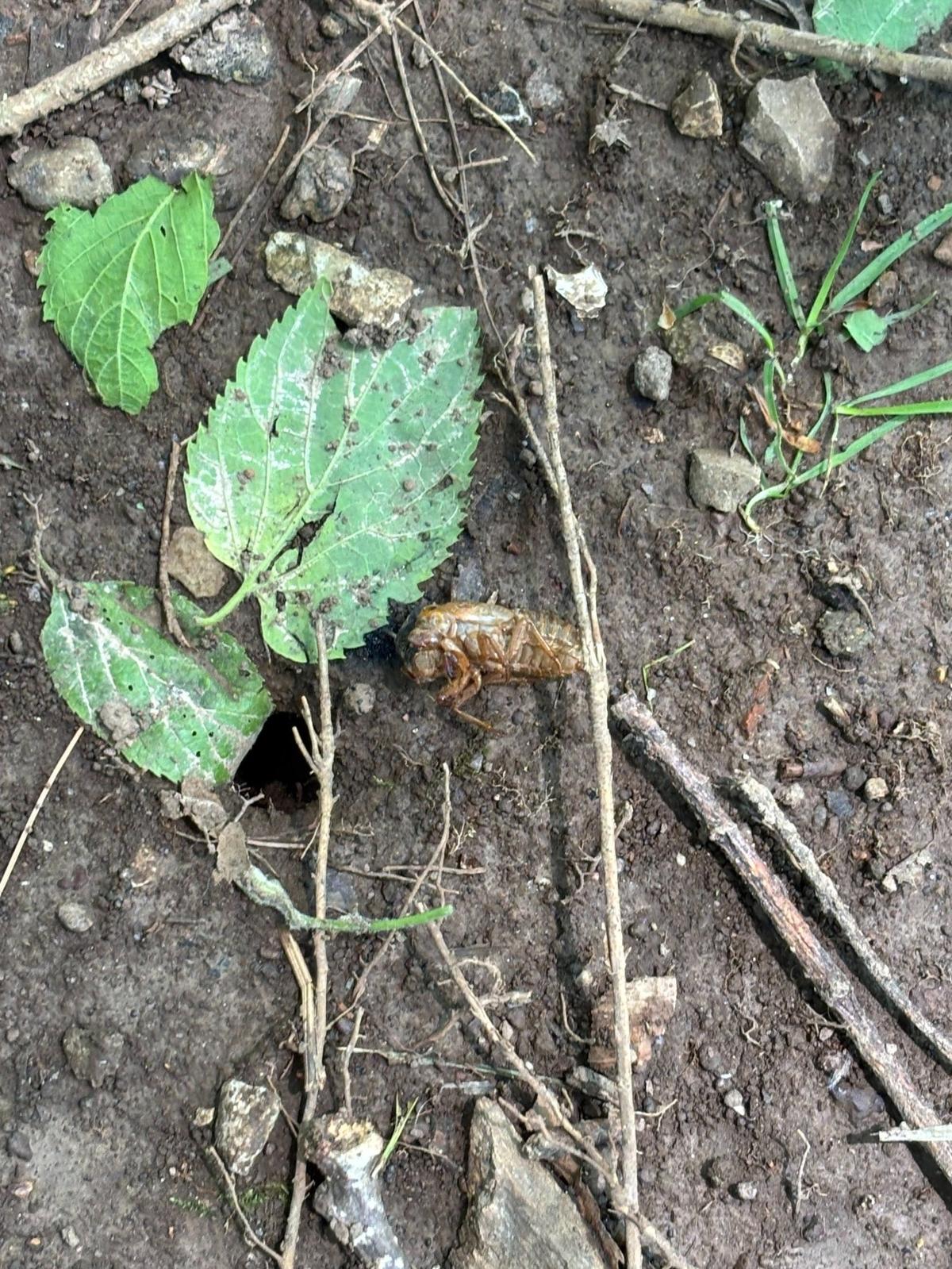
Additionally, evidence of cicada activity could be found at Ashland Park over the weekend. You can note the tell-tale burrow hole and an abandoned cicada shell in the image below.
If you’ve spotted cicadas near your Kentucky home, we’d like to know about it. Snap a photo of them and send it to us along with a few notes about what you saw. We may include it in a future story mapping their emergence in Kentucky.
You can send that information to us by filling out our Google Form. You can also email your pictures and video with details to ask@herald-leader.com.
How to search for signs of cicada activity
Signs of cicada activity are easy to spot if you know what to look for:
Emergence holes. Cicadas will leave small holes about the size of a dime in a Swiss cheese pattern along the ground. Note the lack of a dirt mound around the hole, like you’d find with ant hills. In wetter soil conditions, they may build “cicada chimneys” as a way to keep water from back-filling their holes.
Look for shells. When cicadas first emerge, they’re still in their juvenile stage and need to molt their shell, really their exoskeleton, to reveal their developed body underneath.
Look for them near vertical surfaces. When a cicada first emerges, it’s vulnerable and needs to avoid ground-based predators or being stepped on. Dangling from a vertical surface also allows its soft body to harden and its wings to inflate with bodily fluids.
How to share your observations with citizen science projects
You can also help insect scientists study the emergence of Brood XIV by sharing your data.
Download apps like Cicada Safari and iNaturalist to record and share your findings.
Do you have a question about the environment in Kentucky for our service journalism team? Send us an email at ask@herald-leader.com or connect with us via the Know Your Kentucky form below.