‘Devastating for our community.’ KY arts groups ravaged by Trump cuts
Jordan Campbell got another round of bad news in early May.
The executive director of the Gateway Regional Arts Center in Mount Sterling was notified that a $76,105 grant from the National Endowment for the Arts that helps the center grow its operations and reach more people had been rescinded.
Another blow came one day later, on May 7: AmeriCorps, which provides staffing in various social service sectors nationwide, was facing steep cuts.
Two art teachers previously approved for a program through AmeriCorps and the Gateway Regional Arts Center, which serves 22 counties in Eastern Kentucky, were no longer coming to Mount Sterling.
In its first year, the program, called ArtistYear, provided an instructor to help Gateway reach and teach underserved populations in Kentucky. She taught art classes to foster kids, people in recovery and veterans.
And that news came just a few weeks after Campbell learned a separate, $20,000 grant from the National Endowment for the Humanities that helped the center document Black history in Mount Sterling and Eastern Kentucky had been terminated, too.
“It’s just devastating for our community,” Campbell said. “These grants may seem like a small amount of money, but to our organization and organizations like us, they can be hugely impactful.”
In just one month, more than $100,000 in federal support for Gateway was cut, as President Donald Trump’s administration sought to shrink federal programs and slash spending.
It’s affected more than just Gateway.
The center is one of more than a dozen Kentucky arts organizations notified in early May that previously awarded grants would be rescinded as part of steep cuts to the NEA.
And the Trump administration has recommended no new funding next fiscal year for the NEA, which funds arts and culture programming across the country.
The funding clawback is compounded by cuts earlier this year to the National Endowment for the Humanities, which serves a similar purpose. In early April, Kentucky Humanities said all of its federal funding had been withdrawn.
Funding for the Corporation for Public Broadcasting, which supports Kentucky Education Television, KET, and more than a dozen Kentucky public radio stations, was also cut.
The results have been devastating for the arts scene in Kentucky. Organizations across the commonwealth say they are scrambling to raise money to cover the loss of federal funds or cutting programs to prepare for a future with little to no federal government support.
Funding for slave memorials, programs for inmates axed
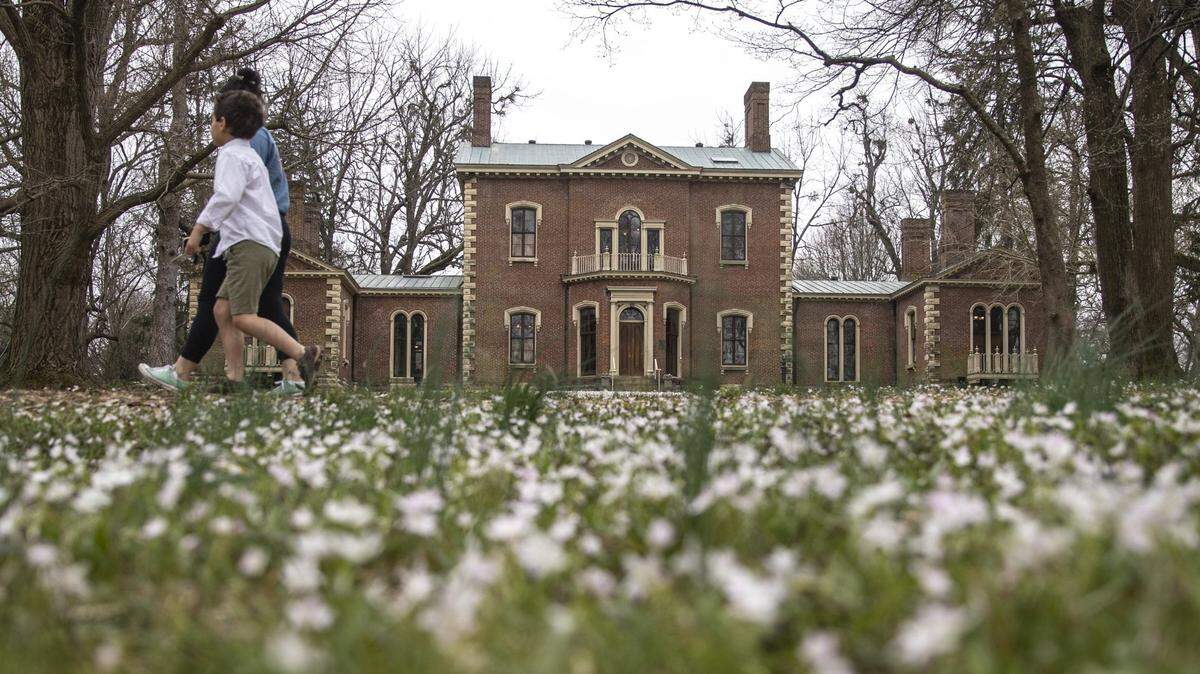
Jim Clark, executive director of Ashland, the Henry Clay Estate in Lexington, is trying to raise $20,000 for a memorial to those once enslaved at the Henry Clay Estate after the cancellation of an NEA grant.
He is appealing the termination, but he is not optimistic.
Many NEA staff members have been fired or are facing termination. It’s now difficult to contact NEA staff. Arts organizations say they’ve been told that the last day for many NEA staffers will be May 30.
Henry Clay received a $75,000 matching grant from the Knight Foundation to help build the memorial, which has long been in the works. But Clark is now working to fill the $20,000 gap left by NEA.
“We are redoubling our efforts to raise funds privately,” Clark said.
Still, that’s not easy. Changes in tax laws addressing charitable giving make it less advantageous for middle-class donors to give, according to the Tax Policy Center, an arm of the Urban Institute and Brookings Institution.
“People are raising money, but it’s from fewer donors,” Clark said.
Pioneer Playhouse Artist Director Robby Henson is also contacting donors and plans to use more volunteers for Voices Inside, a playwriting and theater program for Kentucky inmates.
Henson’s $25,000 NEA grant to help run that program was nixed in May. The Danville theater has received support from the NEA for the program for 16 years.
The program has been lauded for its results. One former participant got a doctorate after leaving prison.
“We’ve had dozens and dozens published in various publications,” Henson said.
Some of that NEA money was set aside for a national playwriting contest for incarcerated inmates. Now, Pioneer Playhouse in Danville is stuck with a $9,000 bill for that contest.
“I am dismayed at the lack of support for arts and culture,” Henson said. “I just think it’s so short-sighted to cut the arts and humanities. These are jobs. This is not waste, fraud and abuse. No one takes their NEA grant and goes to Mexico.”
Nathan Zamarron, vice president of LexArts, Lexington’s umbrella arts organization that uses NEA money to fund dozens of local arts programs in Fayette County, encouraged people to support the arts through fundraising programs like LexArts’ Fund for the Arts. Buy tickets and go to museums, ballets, concerts and art exhibits, he said.
“If those funds are lost, it will have an immediate and damaging impact on the local arts landscape. The NEA is a vital national institution,” Zamarron said. “We’ve relied on its partnership and support for many years. If the arts matter to you — and we believe they’re a crucial part of our culture and society — it’s essential to contact your legislators and share that message.”
LexArts received three termination notices for three separate grants in May. Fortunately, two of those grants have already been spent. A third grant is awaiting sign-offs from state cultural authorities. Zamarron said he thinks they will be able to keep those funds.
LexArts had also applied for three other NEA grants totaling $375,000 for a host of different arts projects in the coming year, but it has not been told if those grants will be funded.
Arts cuts could get worse
One group that has not had federal funding yanked is the Kentucky Arts Council, which, like many state arts organizations, receives a grant from the NEA.
The Kentucky Arts Council’s current yearly grant is about $968,000.
The council then uses state dollars to match those funds, bankrolling dozens of arts organizations each year.
About 34% of the council’s budget comes from the NEA, said Leann Potter, communications director for the Kentucky Arts Council.
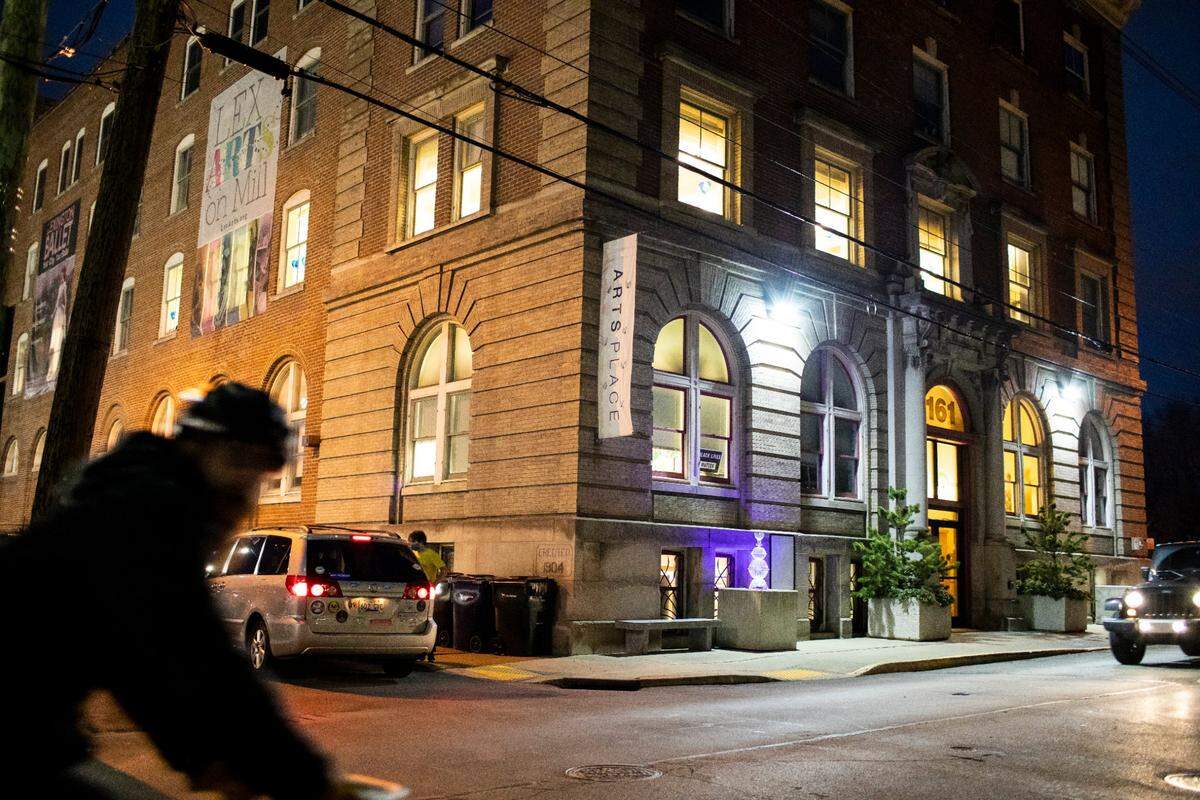
It would be a devastating financial blow to the arts community if Kentucky Arts Council’s NEA funding is cut, said Lori Meadows, a former executive director of the Kentucky Arts Council who is now chairperson of Kentuckians for the Arts, a group that lobbies on behalf of Kentucky artists.
“A lot of these organizations don’t have a huge staff,” Meadows said.
As a state agency, the Kentucky Arts Council can’t raise private funds to cover gaps if NEA is eliminated.
And a grant from the Kentucky Arts Council and NEA signals to donors that an arts organization has been vetted, making it easier for the organization to raise private money.
“It’s like a Good Housekeeping sign of approval,” Meadows said.
NEA cuts could have a dramatic effect on Kentucky’s economy, too.
A 2023 U.S. Bureau of Economic Analysis and NEA study shows arts and cultural businesses account for about 2.5% — or $6.9 million — of Kentucky’s economy, and contribute 51,094 jobs.
For comparison, the Kentucky bourbon industry directly employs 23,000 people, according to the Kentucky Distillers Association.
During Trump’s first term, he also proposed eliminating the NEA. But Congress ultimately funded it.
“Funding the NEA is not a partisan issue,” Potter said.
“The NEA serves every single congressional district. Gov. Andy Beshear and the Kentucky General Assembly have made some bold investments in the arts. There is strong support from both sides of the aisle.”
This story was originally published May 27, 2025 at 5:00 AM.