
Ancient shark species — with teeth made for ‘crushing’ — found in Kentucky cave
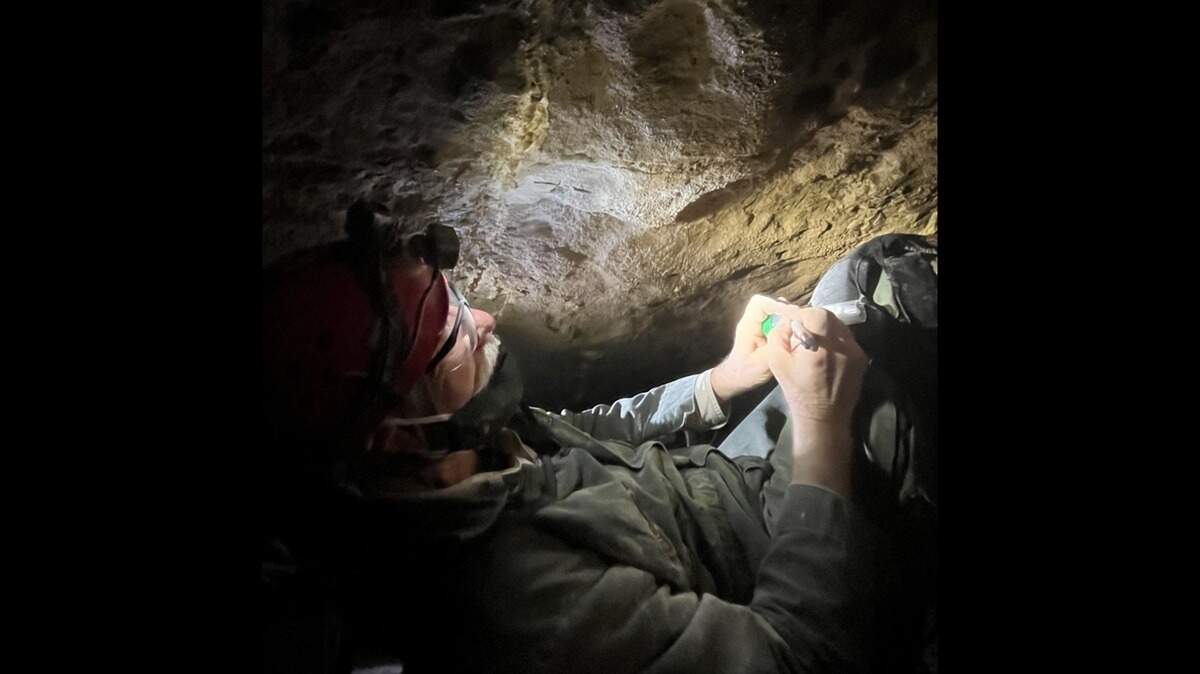
About 340 million years ago, a tiny shark swam in the waters of the world’s longest cave system in Kentucky, its unusual mouth curved in a way that will ultimately end up defining its future legacy.
Now long gone, a team of scientists have stumbled upon its fossils in Mammoth Cave, Kentucky, a July 24 news release from the National Park Service said. The new species of ancient shark was named Macadens olsoni, which means “Olson’s Mammoth Cave Tooth,” and it has a very distinct feature.
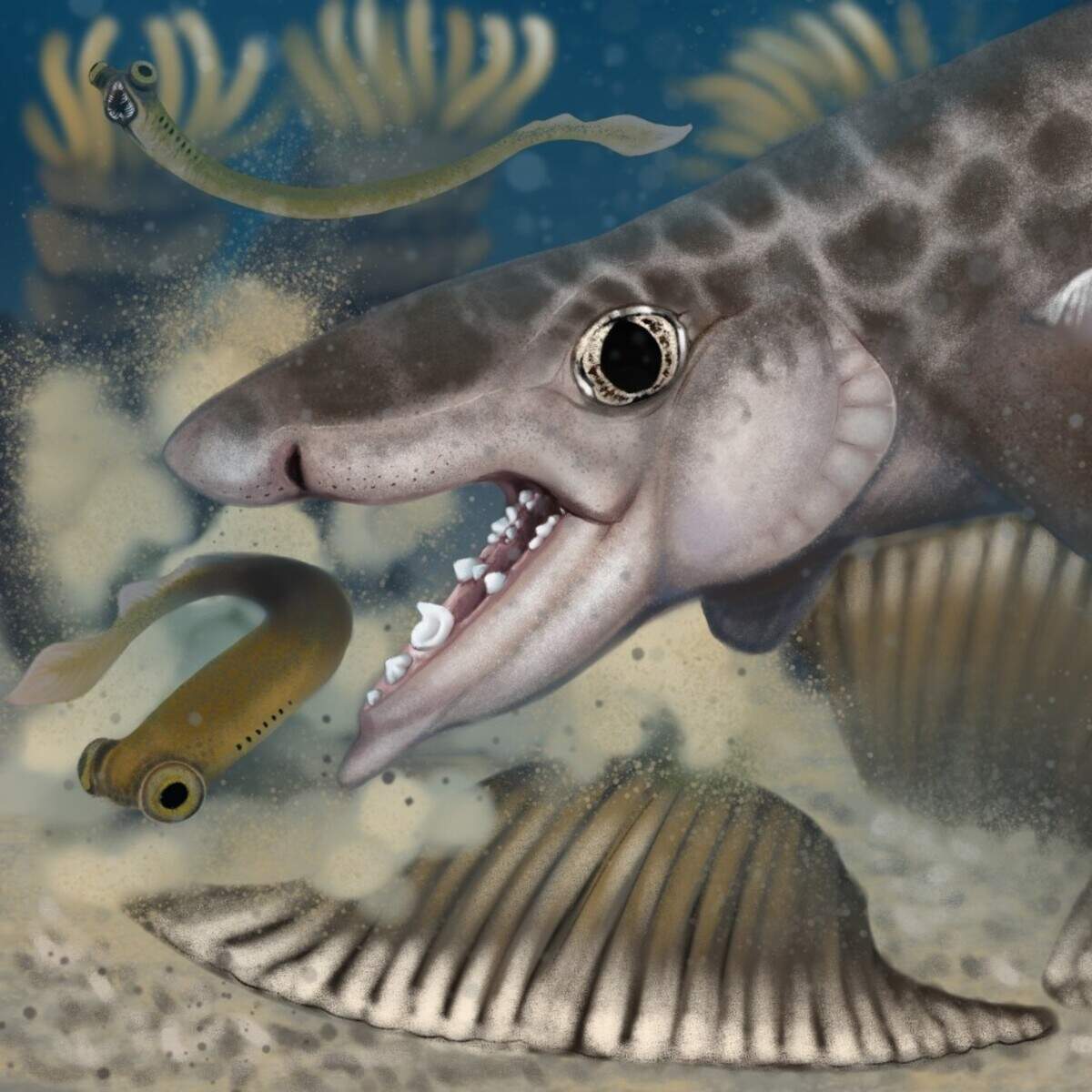
“Macadens olsoni is notable for its unique tooth whorl, a curved row of teeth designed for crushing small sea creatures. This ancient shark likely grew to less than a foot in length and probably feasted on mollusks and worms,” rangers said in the release.
The name was chosen to honor the fossil’s resting place and Rickard Olson, the scientist whose work was essential to Mammoth Cave.
“This discovery is a remarkable addition to our understanding of ancient marine life and underscores the importance of preserving and studying our natural history,” Mammoth Cave National Park Superintendent Barclay Trimble said in the release.
According to the National Park Service, more than 40 different species of ancient sharks have been discovered in the past 10 months in Mammoth Cave.
“Most of the shark fossils have been discovered in areas inaccessible to visitors on cave tours, but photographs, artists’ renditions, and three-dimensional models are being prepared for the visitors to view and explore in park exhibits and websites,” NPS said.
Other major finds in the cave include the Tolleson’s Scraper Tooth (Strigilodus tollesonae,) an ancient shark with “spoon-like teeth” and the Chipmunk Shark (Clavusodens mcginnisi).
“This finding not only enhances our knowledge of ancient marine ecosystems but also emphasizes the critical role of paleontological research in our national parks,” Trimble said of the newest find . “Every discovery connects the past with the present and offers invaluable educational opportunities for students and the public.”
Mammoth Cave is about a 95-mile drive south from Louisville.