KY AG’s office reverses course on sporting exemption. What it means for hunters, fishers
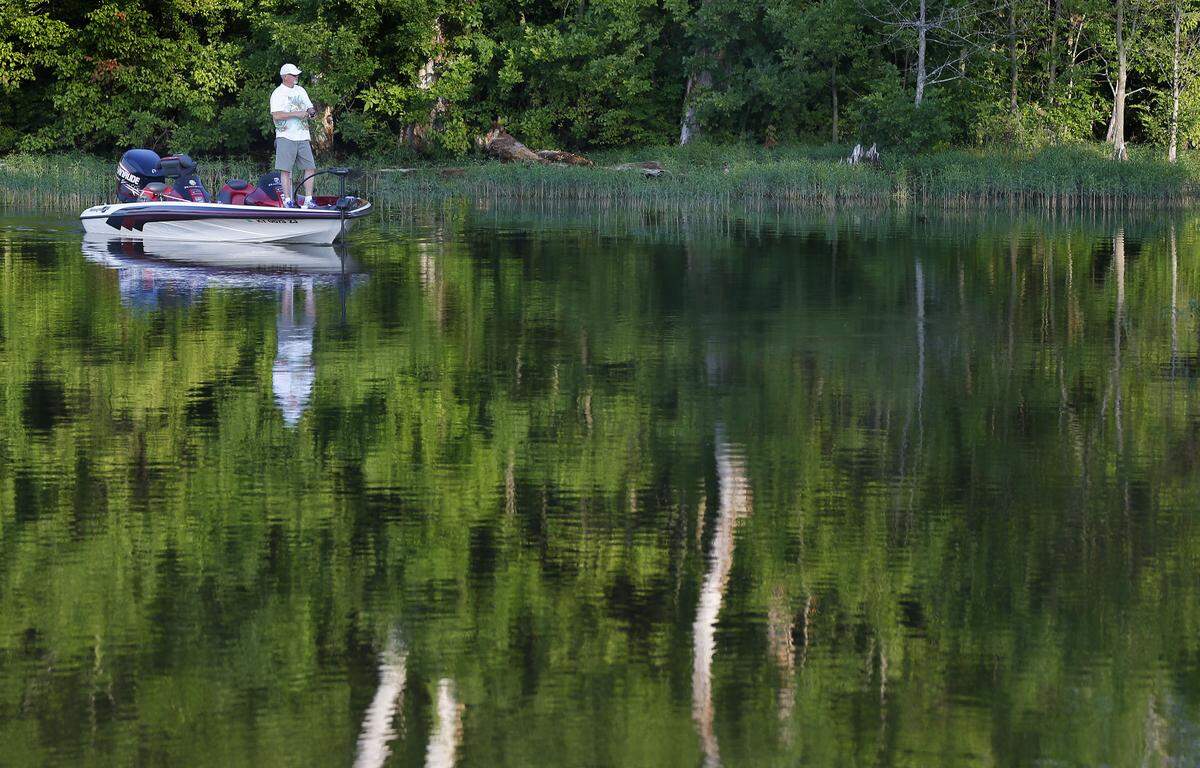
Kentuckians who own farmland in the commonwealth don’t need a license to hunt or fish there even if they aren’t living on the property, according to Attorney General Russell Coleman.
The ruling from the attorney general’s office came Thursday, weeks after lawyers for the state told the chair of a fish and wildlife commission in January he was ineligible to serve because he relied on that exemption instead of maintaining an annual hunting or fishing license.
The formal opinion reverses that January interpretation — which also came from Coleman’s office — and agrees farmland owners can hunt or fish license-free on property where they don’t reside. As such, the office also closed the matter involving Fish and Wildlife Commission Chair Chuck Meade’s eligibility to serve.
Meade told the Herald-Leader he is thankful Coleman took a “personal interest” in the matter and came to the “same conclusion all Kentuckians have known and understood for many years now.”
“We have lots of work to do,” he said. “All this does is distract us from what sportsmen really want.”
The attorney general reversed a 1979 opinion in which the office defined the “resident owner” of farmland as someone residing on the parcel of land where they were hunting or fishing.
Kentucky Supreme Court cases underlying that opinion were distinguishable from the question at hand because they dealt with patrons of a pay lake and conservation officer’s ability to come onto private property to enforce licensure laws.
“As someone who grew up hunting with my dad on his Logan County farm, I’m proud to stand up for the rights of all sportsmen,” Coleman said in news release Feb. 5.
The Kentucky Department of Fish and Wildlife Resources, which enforces hunting and fishing laws in the state, told Coleman’s office it has historically “applied a lenient interpretation” of the resident farmland exemption.
That interpretation includes “bona fide owners of farmland without regard to whether such owners physically resided upon the farmland,” according to responses the office included in its opinion.
Sporting groups the Herald-Leader has interviewed nearly all said they have never interpreted the exemption to mean farmland owners had to live on their property. The term “resident” was always understood to mean someone living in Kentucky, they said.
Sen. Gary Boswell, R-Owensboro, who initially requested Coleman’s office opine on the exemption said many Kentuckians rely on it and had unwittingly been in violation of the law under the standing interpretation.
Boswell said he was pleased Coleman’s office had taken a “fresh look at the issue” and come to the same conclusion most Kentuckians had already reached.
”This clarification is important for thousands of Kentucky property owners who responsibly hunt and fish on land they own and who were concerned that long-standing practices were being called into question,” he said via text message.
Coleman praised the “whip-smart attorneys” that considered the complex legal question “to uphold the law” for Kentucky sportsmen and women.
“Kentucky is home to some of the finest natural and wildlife resources in the world, and I encourage every Kentuckian to responsibly enjoy them while supporting critical conservation and preservation efforts.”
This story was originally published February 5, 2026 at 10:43 AM.