Pressure mounts for details after investigation into Harless killing comes up short
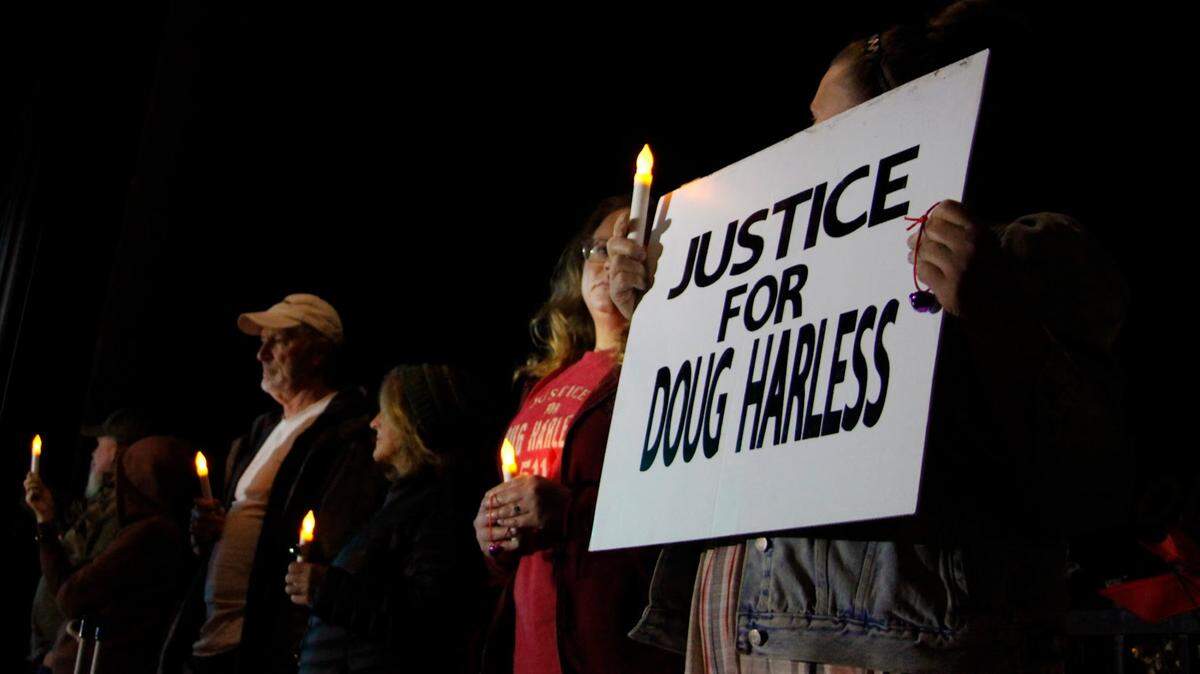
More public officials are adding their voices to mounting criticism over the investigation into the police shooting of a Laurel County man killed during a botched 2024 raid.
A former circuit judge and commonwealth’s attorney for the county penned a letter to state and federal officials Thursday calling for a more thorough review of the police shooting of Douglas “Doug” Harless on Dec. 23, 2024.
Meanwhile, the London City Council overseeing the police force involved in the late-night raid has launched its own investigation — the third in less than a month — into the conduct of its officers that night.
A Laurel County grand jury Feb. 20 declined to indict anyone involved in Harless’ death, setting off a maelstrom of controversy in the Southeastern Kentucky city of roughly 7,500 people.
Thursday, former Laurel County Circuit Court Judge Danny Evans and retired commonwealth’s attorney Tom Handy called on federal prosecutors, Kentucky State Police and Attorney General Russell Coleman to force the release of the search warrant that led police to Harless’ home and evidence gathered prior to the event.
Handy and Evans, who also served as a commonwealth’s attorney in Laurel County before he was appointed 27th circuit judge in 2016, said the officers involved in the shooting should be identified, as should their justification for shooting Harless and specific actions law enforcement personnel took.
The officers who fired on Harless have never been officially identified, though the name of a detective involved was released as part of grand jury proceedings. It remains unclear what role he played in the night’s events and if he was among those who fired on Harless, but he was cleared on host of potential charges, including murder, manslaughter and reckless homicide.
In Thursday’s letter, Handy and Evans called on officers to justify the late-night raid and offer up unseen details about the stolen property they were investigating. They also called on the city and its police department to be vocal about its support for Harless’ family after his death.
Shortly after the grand jury declined to indict last month, several county leaders called for a federal civil rights investigation into the city and its police department.
Russell and Wayne counties commonwealth’s attorney Matthew Leveridge was appointed by the attorney general’s office to oversee the Harless shooting in early 2025. He told the Herald-Leader he presented the grand jury “everything we had” and the case was effectively closed, barring any new evidence.
But residents in and around London who regularly show up across from the police headquarters to protest the city’s involvement that night have speculated Leveridge and the KSP investigators focused their efforts only on the shooting itself.
Police have insisted Harless pointed a gun at them that night, which could provide enough justification for the shooting itself but doesn’t explain why the officers were at the home in the first place.
“We have always advised grand jurors of applicable law as applied to conduct of all persons involved,” Evans and Handy wrote in their letter. “We have made our investigations and findings public and have participated with grand juries in that process. We firmly believe that incidents involving a death at the hands of law enforcement require and deserve openness and full reporting to the public.”
Reached by phone Thursday, Handy, a 27-year veteran prosecutor, said a case of this magnitude justifies a grand jury report, which summarizes the findings of the investigation into criminal activity, even when no formal charges are filed.
Leveridge did not immediately respond to a Herald-Leader request for comment Thursday.
“Silence by those conducting an investigation of the killing of an innocent man in his own home is unacceptable,” Evans and Handy added. “The absence of public disclosure causes distrust and creates loss of respect for law enforcement. There is no acceptable reason for the Commonwealth’s Attorney to hide and refuse to inform the public of the facts and circumstances surrounding the killing of an innocent man in his home.”
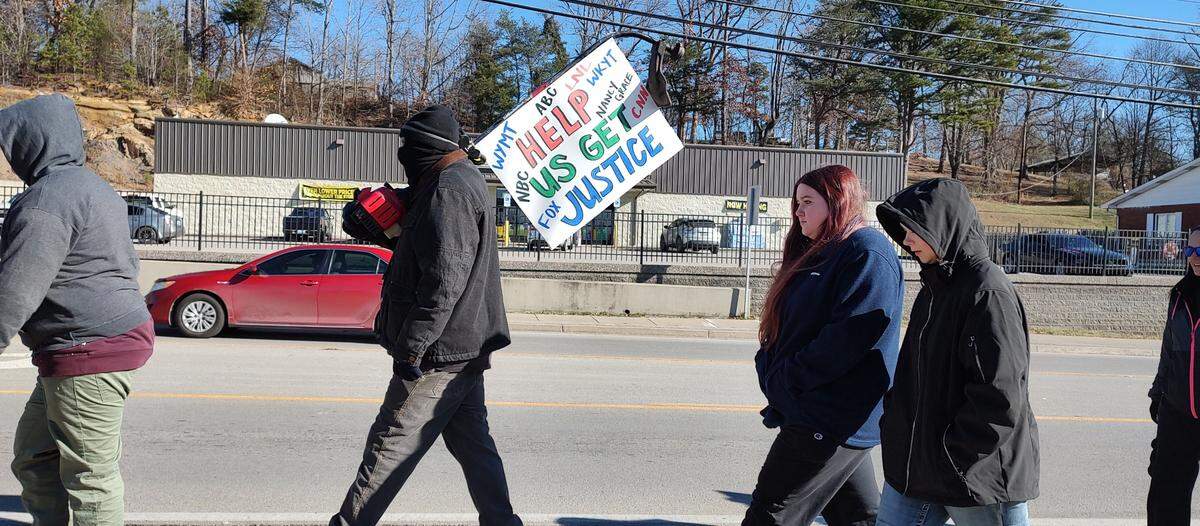
City council launches its third investigation
Monday, the London City Council unanimously approved a resolution calling on Mayor Randall Weddle and several current and former members of his administration to answer a series of questions aimed at revealing the decision-making process that led up to officers serving a warrant at Harless’ home.
It’s the third council-led investigation the body has launched against city officials in less than a month.
Members of the city council want to know more about the still undisclosed police warrant and who was involved in drafting the affidavit supporting it.
The council also gave the administration an additional 14 days to respond in a pair of additional inquiries looking into the police force’s loss of FBI crime database credentials and the city’s budget preparation process.
Christy Shannon, a private attorney for the city council, told the Herald-Leader Thursday the questions members are seeking answers to come directly from constituents. The public, she said, has a right to answers she believes the city is covering up.
“We’re not making these questions up,” Shannon said. “We’re not sitting around twiddling our thumbs thinking up how we can be cantankerous and diabolical. These are valid concerns that the people of London have.”
Harless, 63, was shot in his double-wide mobile home at 511 Vanzant Road in rural Laurel County well outside the London Police Department’s jurisdictional boundaries. The warrant reportedly listed 489 Vanzant Road, which is where Harless’ house appears on county proper valuation administrator maps. A nearby mobile home that has a street address of 489 Vanzant appears on the PVA maps as 525.
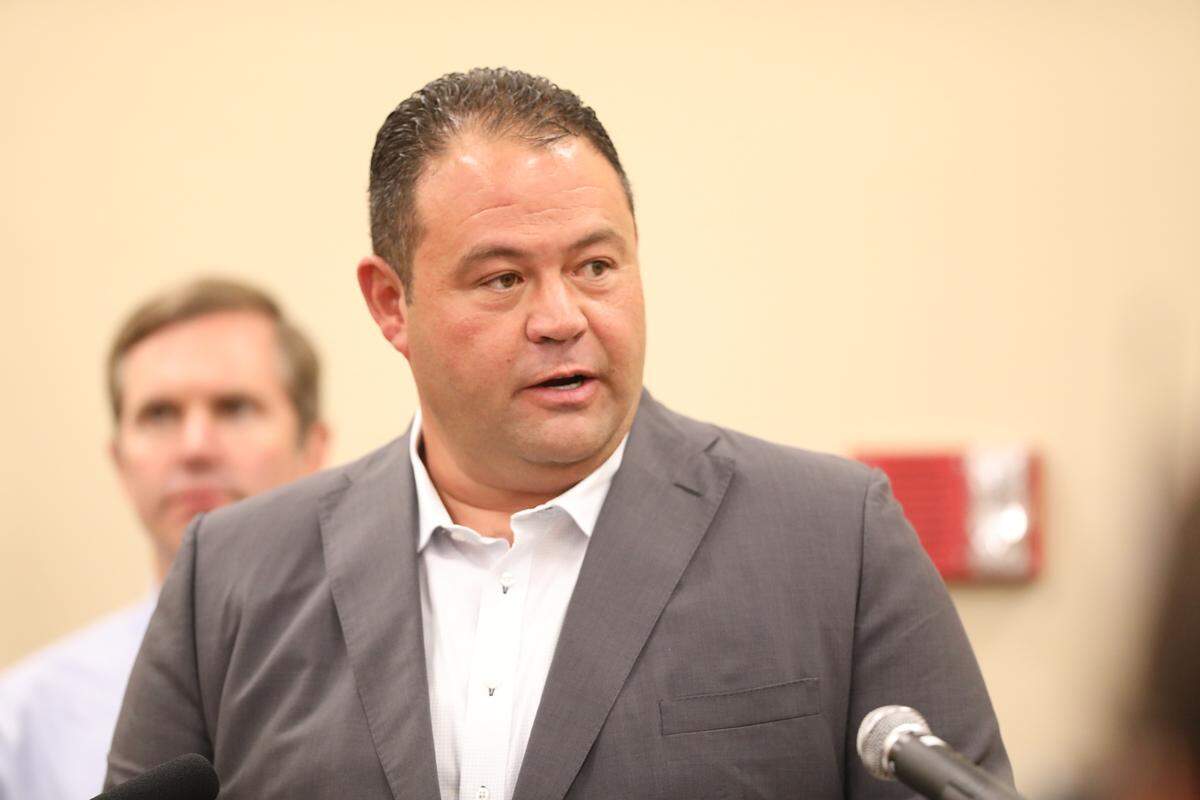
City officials told the Herald-Leader police used information from the 911 system and PVA to confirm the location when they prepared the original warrant. But the house numbers at the address police showed up to that night did not match, and it is still unclear where the discrepancy between those maps and the actual numbered addresses arose.
The warrant has never been made public, though the Herald-Leader and others have made multiple public records requests for that document and others connected to the shooting.
A follow-up KSP warrant, which has been reviewed by the Herald-Leader, says London police officers knocked. Harless allegedly acknowledged their presence but refused to open the door. After knocking several more times, officers broke the door and encountered Harless, who allegedly raised a pistol toward them. He was shot by police with a rifle five times.
Attorneys suing the city on behalf of Harless’ daughters told the Herald-Leader last month they believe the now-closed investigation paves the way for the release of crucial evidentiary details that could be beneficial in their case.