Conservation group adds 1,700 acres to its growing Eastern Kentucky portfolio
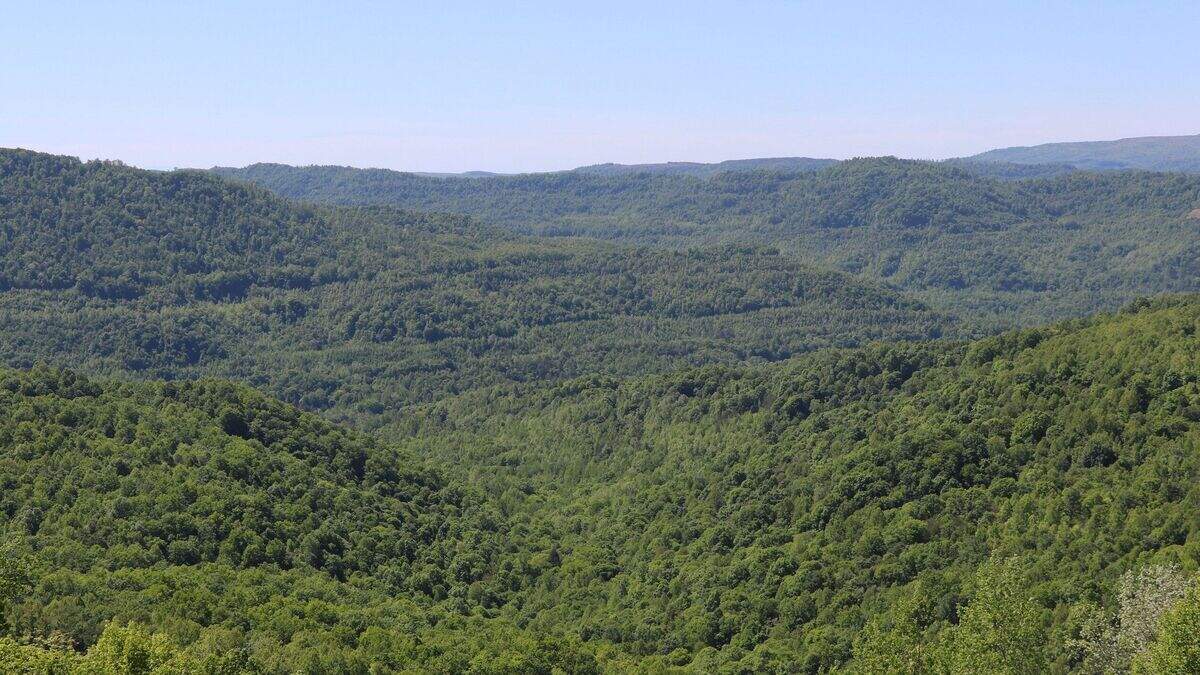
One of Kentucky’s most ecologically significant protected mountain landscapes has just grown a little larger.
The Nature Conservancy acquired 1,732 acres of land this week in Eastern Kentucky along the Cumberland-Pine Mountain corridor in Whitley County near Laurel Fork.
The property sits between a 1,075-acre tract TNC transferred to the Kentucky Department of Fish and Wildlife Resources earlier this year and 253,000 acres of Cumberland Forest known as Ataya, which the U.S.-based conservation giant added to in 2019 under one of the largest land deals in modern Appalachian history.
The latest purchase is the latest piece in a jigsaw puzzle the conservation group is piecing together in Appalachia, part of an effort to connect protected lands that leaders hope will reduce habitat fragmentation and allow wildlife to move more freely through one of the largest intact forest landscapes remaining in the eastern U.S.
“We have identified the Cumberland-Pine Mountain corridor as critically important for the ecology and the connectivity of the Appalachian Mountains through Kentucky,” TNC Kentucky director David Phemister told the Herald-Leader. “We’ve been working for a number of years to stitch together with partners a connected network of protected lands.”
Ecologists generally regard the high-elevation thrust faults that sit along the Kentucky, Virginia and Tennessee borders part of the Appalachian Mountains’ globally significant temperate forest ecosystem, where steep sandstone terrain create an extraordinary diversity of life.
The new property, known as the Thacker property, came under TNC ownership after an inheritance dispute left the former mining and logging site uncertain. It’s a crucial piece of property for conservationists who transferred the nearby Mountain River Farms property to the KDFWR this year and helped steer the 55,000-acre Kentucky portion of the Cumberland Forest under a conservation and public access easement in 2023.
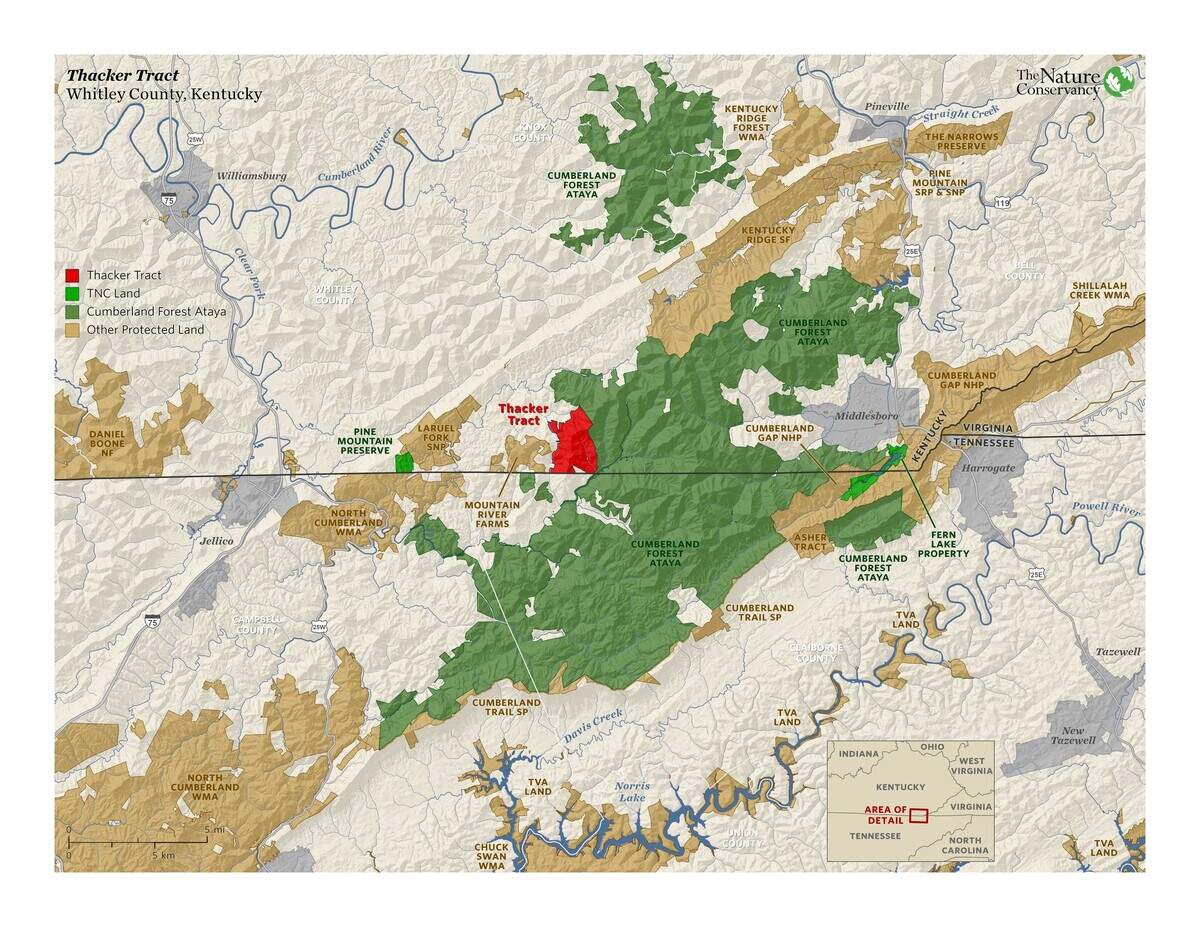
TNC said it is considering transferring the Thacker property to KDFWR as well.
“The connectivity that this parcel provides to other key properties will allow us to better manage the resources and provide greater access for hunters and outdoor enthusiasts,” said KDFWR Wildlife Division Director Ben Robinson
Researchers increasingly describe the Central Appalachian region as a climate refuge — a place where cooler temperatures, abundant forests and connected landscapes may allow wildlife and plant species to shift their ranges as temperatures warm. Large, uninterrupted forests also store substantial amounts of carbon, helping slow climate change while providing resilience against increasingly frequent floods and droughts.
Protecting forests along the two massive Pine and Cumberland Mountain ridgelines also safeguards headwater streams that feed rivers throughout Southeastern Kentucky and mountain landscapes north of the Smokies, providing habitat for black bears, migratory songbirds, salamanders and countless native plant species.
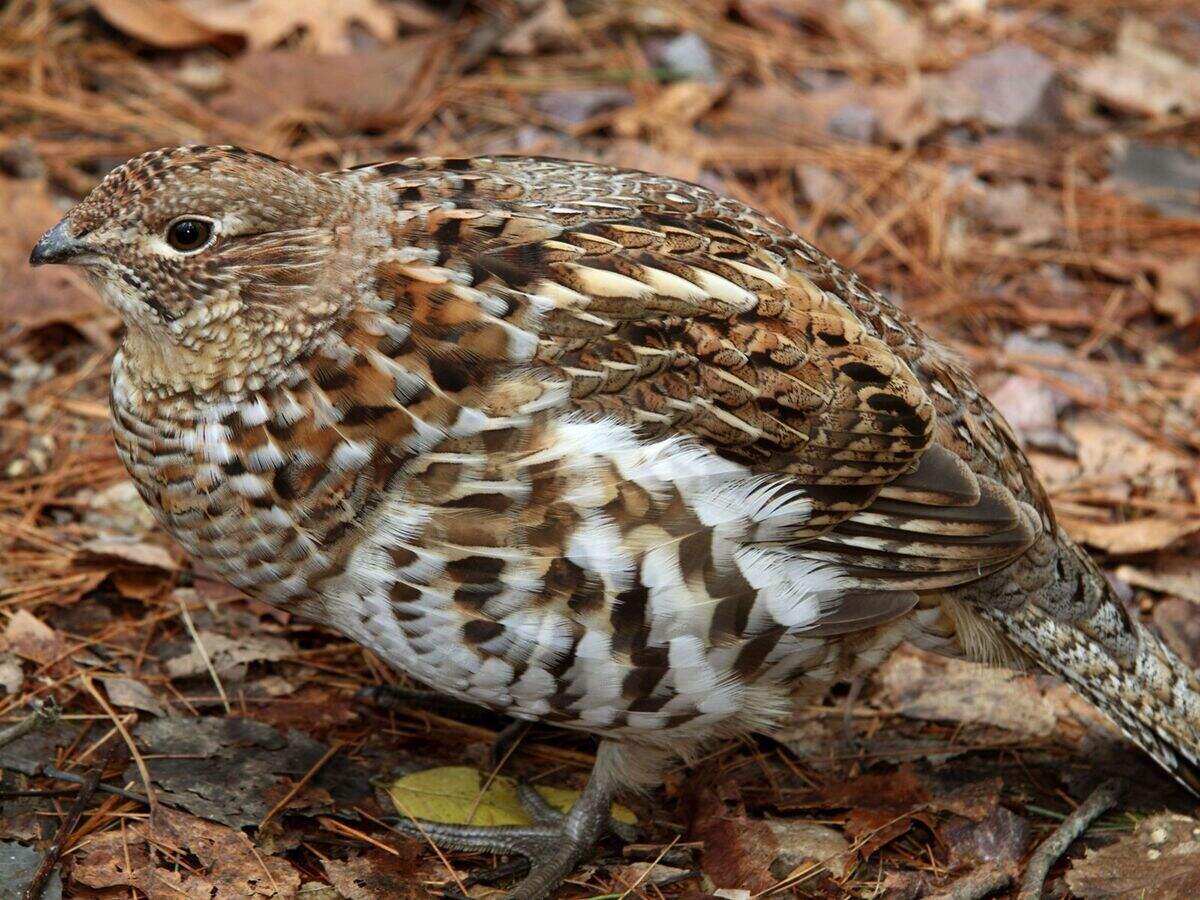
Early successional forests and young forests create ideal habitats for species such as elk and ruffed grouse, too.
“The Thacker property is a fantastic addition to the region’s network of conservation lands, and we look forward to continuing our collaboration with TNC, state agencies, and other partners to improve forest habitat diversity across this critical landscape,” said Ben Rhodes, Southern Appalachians Forest Conservation Coordinator for Ruffed Grouse Society & American Woodcock Society in a statement.
The joint organization is working to establish a mosaic of early, young, mature and late-successional forests across the Appalachian highlands in conjunction with conservation partners like TNC, Rhodes said.
The acquisition comes as conservation groups race to protect remaining intact forests across Appalachia amid growing pressure from development, energy infrastructure and a changing climate. While much of Eastern Kentucky remains heavily forested, conservationists say permanently protecting strategic tracts is critical to maintaining wildlife corridors and preserving biodiversity for future generations.
“The key here is to get it protected,” said Chris Garland, director of the TNC Central Appalachians program. “That’s what we hope to do first and foremost. From there, really begins the process of working with partners to determine how it will remain that way.”
Despite the size of some of its biggest land acquisitions, TNC has fewer than 20 staff members in Kentucky. That’s why the group relies on partners to fulfill conservation missions on recently acquired properties, he said.
The organization has used that model across Appalachia to create larger, connected landscapes that balance conservation with sustainable forestry, recreation and local economic opportunities.
“When you talk about connectivity and expanding protected lands, it doesn’t get any better than this,” said Garland. “This project provided an excellent opportunity to bridge a key natural corridor like this. When we had a chance to protect this land, we knew we had to act.”