

Tornadoes in metro Louisville: Why did they miss Lexington and other parts of Kentucky?
Weather is a fickle thing. When a storm system comes in, some places get creamed and others practically untouched.
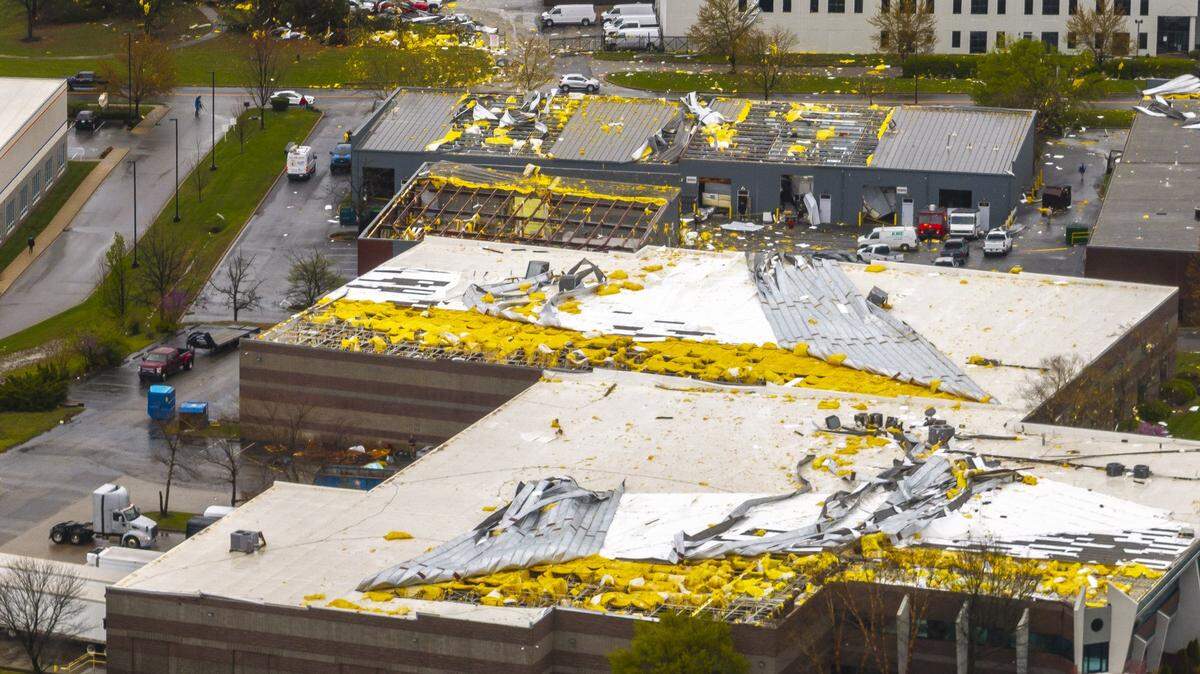
Such was the case for Lexington early Thursday morning. While the area around the nearby metro of Louisville, parts of West Kentucky and much of Tennessee were hit hard by wind and even tornadoes, Lexington – despite loud warnings from tornado sirens – dodged the same sort of wind damage.
Why?
There’s no simple answer, WKYT Chief Meteorologist Chris Bailey told the Herald-Leader.
“I don’t think you can pinpoint it to any one thing that kept us safe. It’s just the ingredients: The farther east you got (Wednesday) night with the storms, the ingredients were not all there across central and Eastern Kentucky compared to the west,” Bailey said.
The biggest ingredient: Wind shear.
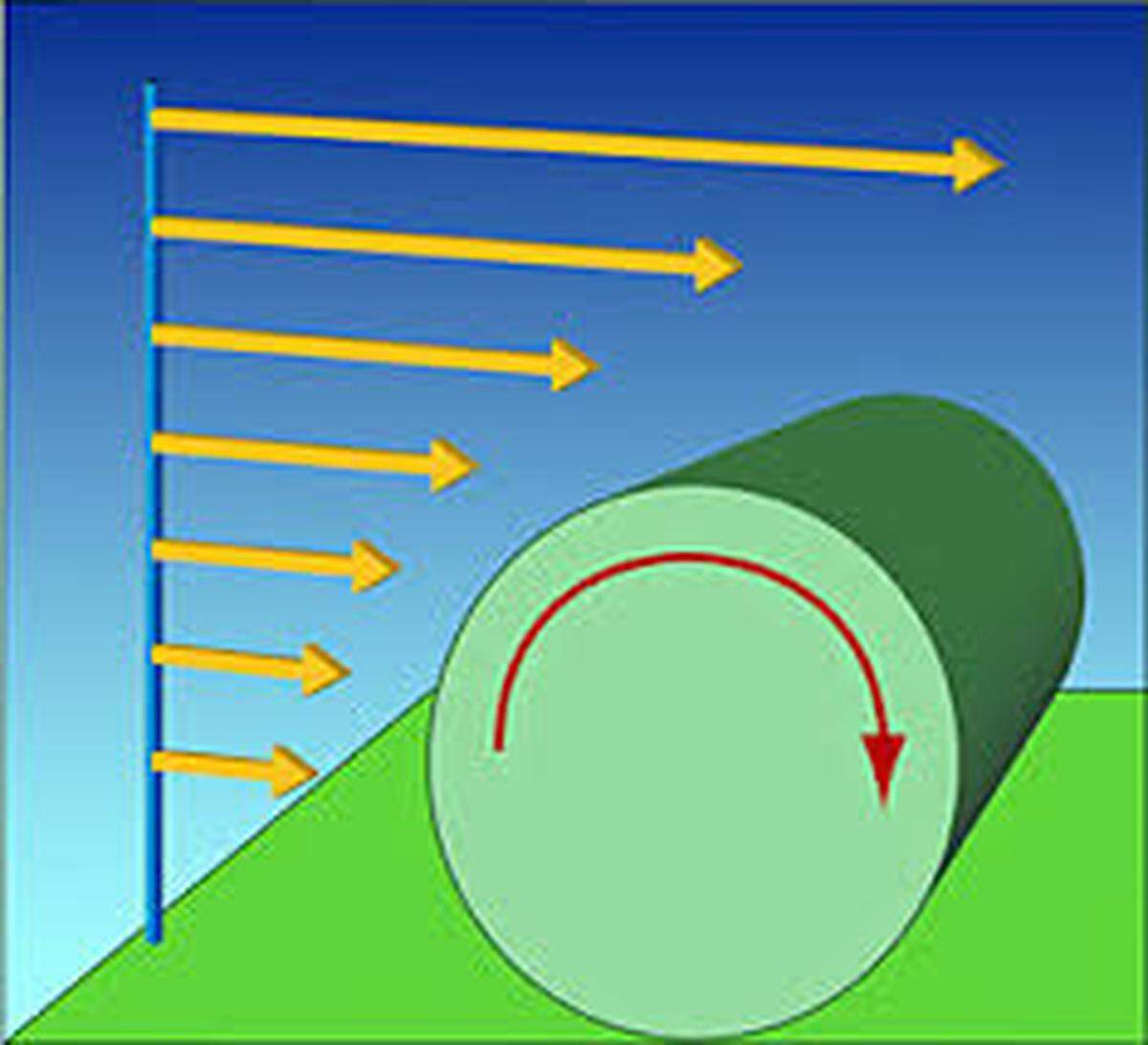
Wind shear is defined as the difference in wind speed or direction over a short distance. It is one key element of the formation of a tornado because the differences can cause rotation within a storm.
“Louisville, they had much more wind shear available, which is what gets those storms to spin. Here in Lexington, we didn’t have as much energy to get those storms to truly spin,” Bailey said.
“They tried, as you noticed (Wednesday) night when we had the tornado warnings, but they just did not have enough energy. The further east you were going to go in Kentucky last night into this morning, the lower the severe weather threat was going to be.”
Tornadoes were reported Wednesday night into early Thursday morning in McCracken and Ballard counties in the far west, Madisonville and in Middletown, a Jefferson County community.
According to the National Weather Service, high wind shear often causes storm systems to lean. This allows the storm to last longer and have more energy, as the updraft won’t get choked off by as much falling rain.
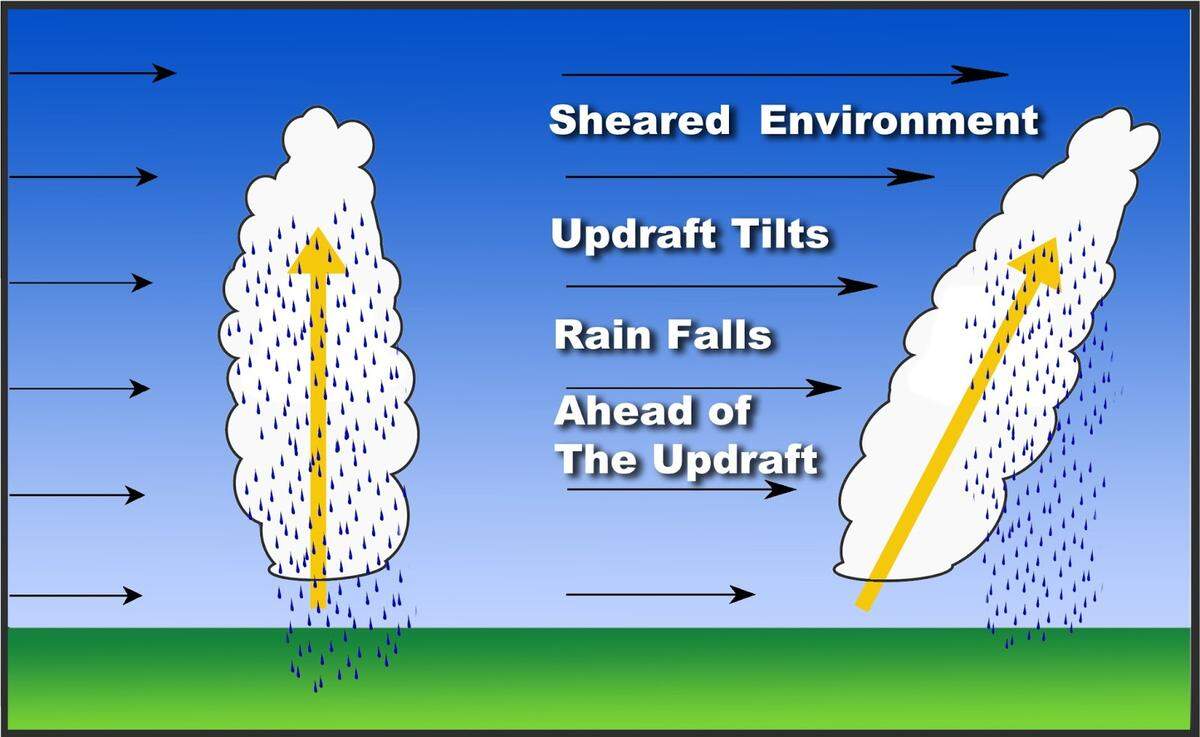
Bailey said that the higher risk in places to the west of Lexington occurred because they saw high levels of both speed shear – the high-atmosphere winds blew at different intensities than those close to the ground – and directional shear.
“You’ve got two ways to create shear, and Western Kentucky had both of them (Wednesday) night, which was kind of an anomaly. That’s why they had the high risk out there,” Bailey said.
Bailey added that he doesn’t expect major wind issues to crop up throughout Friday.
However, Lexington may not be totally in the clear as the multi-day torrent of rain and severe weather continues to scrape across the South and Midwest.
“The threat is fairly low (tonight) and I think that’ll be the case into tomorrow, too,” Bailey said Thursday evening.
“If we’re looking ahead, I think the best threat for damaging winds and maybe a tornado spin up would be Saturday afternoon and Saturday evening.”
This story was originally published April 4, 2025 at 8:18 AM.