
Will La Niña bring a snowier winter to Kentucky? Early outlook for winter weather
AI-generated summary reviewed by our newsroom.
- La Niña expected to be weak and brief during fall and early winter 2025-26.
- Kentucky's position limits La Niña’s typical snow or temperature influence.
- Lexington's first snowfall over 1 inch historically averages around Jan. 19.
The return of summer-like temperatures next week might have Lexington residents longing for cozy winter nights.
Temperature highs next week are expected to reach 90 degrees by Sunday, the latest National Weather Service forecast shows.
What’s more, a looming La Niña weather pattern could bring a cooler, wetter winter to many parts of the Midwest, but what about Kentucky? Here’s a look at what role, if any, La Niña will play in Kentucky this coming winter, with insights from the National Weather Service.
What does a La Niña winter mean for Kentucky?
La Niña is the cold phase of the El Niño-Southern Oscillation Cycle, or ENSO. Marked by unusually cool sea surface temperatures in the central and eastern Pacific Ocean, La Niña has the effect of strengthening the trade winds that normally blow from east to west along the equator.
As a result, a La Niña generally means a warmer, drier weather across the country’s Sun Belt, while the northern states experience cool and wet weather.
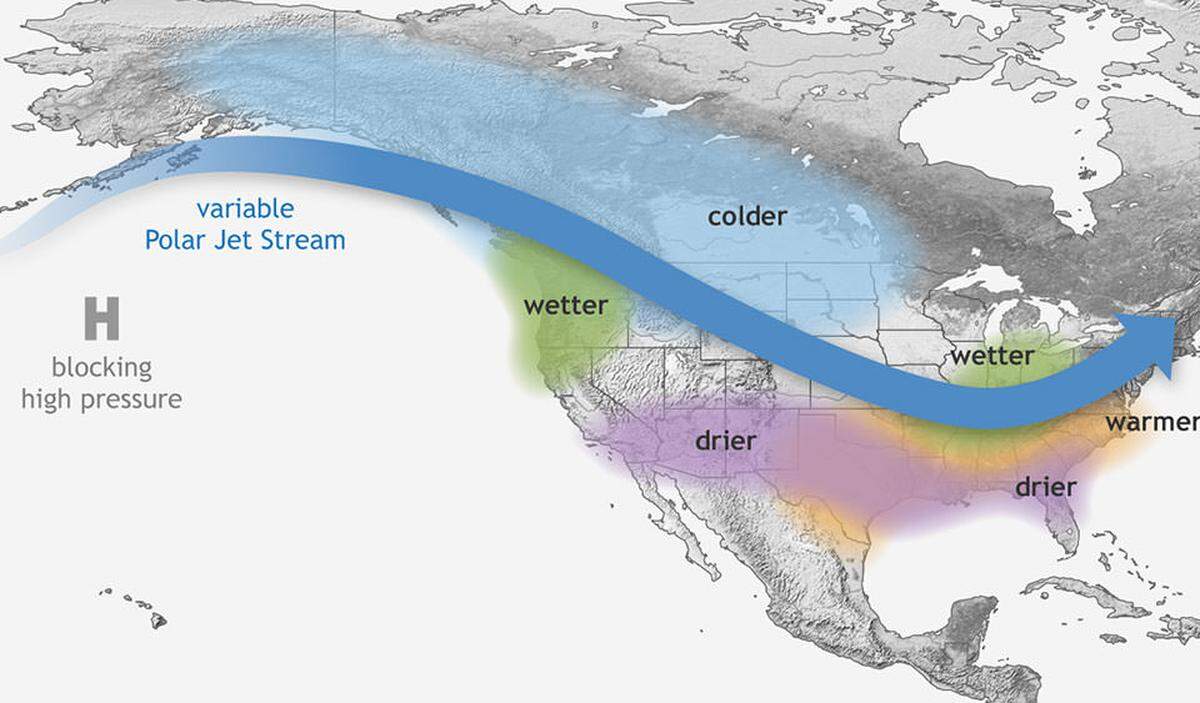
According to the latest outlook issued by the Climate Prediction Center Aug. 14, a brief La Niña is favored during the fall and early winter of 2025-26 before a return to ENSO-neutral conditions.
Previous research from the National Weather Service in Louisville has shown that when a weak La Niña is in place, the Ohio Valley tends to see a slightly snowier winter, but it isn’t a strong signal. In part, it’s because Kentucky sits between the two extremes a La Niña winter creates: cool, wet weather in the north and warm, dry weather in the south.
According to NWS meteorologist Clifford Goff with the agency’s Louisville station, the anticipated La Niña isn’t likely to be influential one way or the other this coming winter.
“I wouldn’t put a whole lot of stock into that,” he told the Herald-Leader in a Wednesday, Sept. 10 interview.
When does Lexington typically see its first major snowfall?
Snowfall forecasts generally aren’t reliable more than a few days out, given that snow requires two highly variable factors: temperature and precipitation.
That said, historical snowfall data from the National Weather Service can offer a clue of what to expect.
In Lexington, data on the area’s history of snowfall shows the first trace amounts tend to show up by Nov. 13. The first significant snowfall of more than an inch doesn’t occur until Jan. 19, on average.
Averages for significant snowfall dates in Lexington area as follows, per NWS data:
- Average last spring trace: April 6
- Average last spring 0.1 inch: March 22
- Average last spring 1 inch: Feb. 28
- Average last spring 4 inches: Feb. 9
- Average first fall trace: Nov. 13
- Average first fall 0.1 inch: Nov. 29
- Average first fall 1 inch: Dec. 20
- Average first fall 4 inch: Jan. 19