Back when crooked KY politicians feared the Feds, Ken Taylor usually got his man
AI-generated summary reviewed by our newsroom.
- Operation BOPTROT triggered many federal prosecutions at KY Capitol.
- Ken Taylor's memoir documents high-profile Kentucky scandals and criminal trials.
- Decline of FBI field offices, local press and DOJ focus risks fewer political probes.
For years, crooked Kentucky politicians worried that the Feds might be watching them.
It was a reasonable fear. Everyone remembered that day in 1992 when dozens of federal agents swept through the Kentucky Capitol.
The FBI’s Operation BOPTROT exposed 15 lawmakers who sold their votes, mostly on gambling and racing legislation. House Speaker Don Blandford was among those sent to prison. So was Gov. Wallace Wilkinson’s nephew.
The U.S. Department of Justice had a fierce reputation in Frankfort. Headquartered in Washington — and so at least theoretically above Kentucky’s provincial politics — its army of investigators and prosecutors were free to dig into touchy political crimes that local law enforcement might find it easier to ignore.
In the 10 years after BOPTROT, 188 public corruption cases were filed across Kentucky, one of the highest per-capita rates of any state. Those numbers roughly doubled in the subsequent decade.
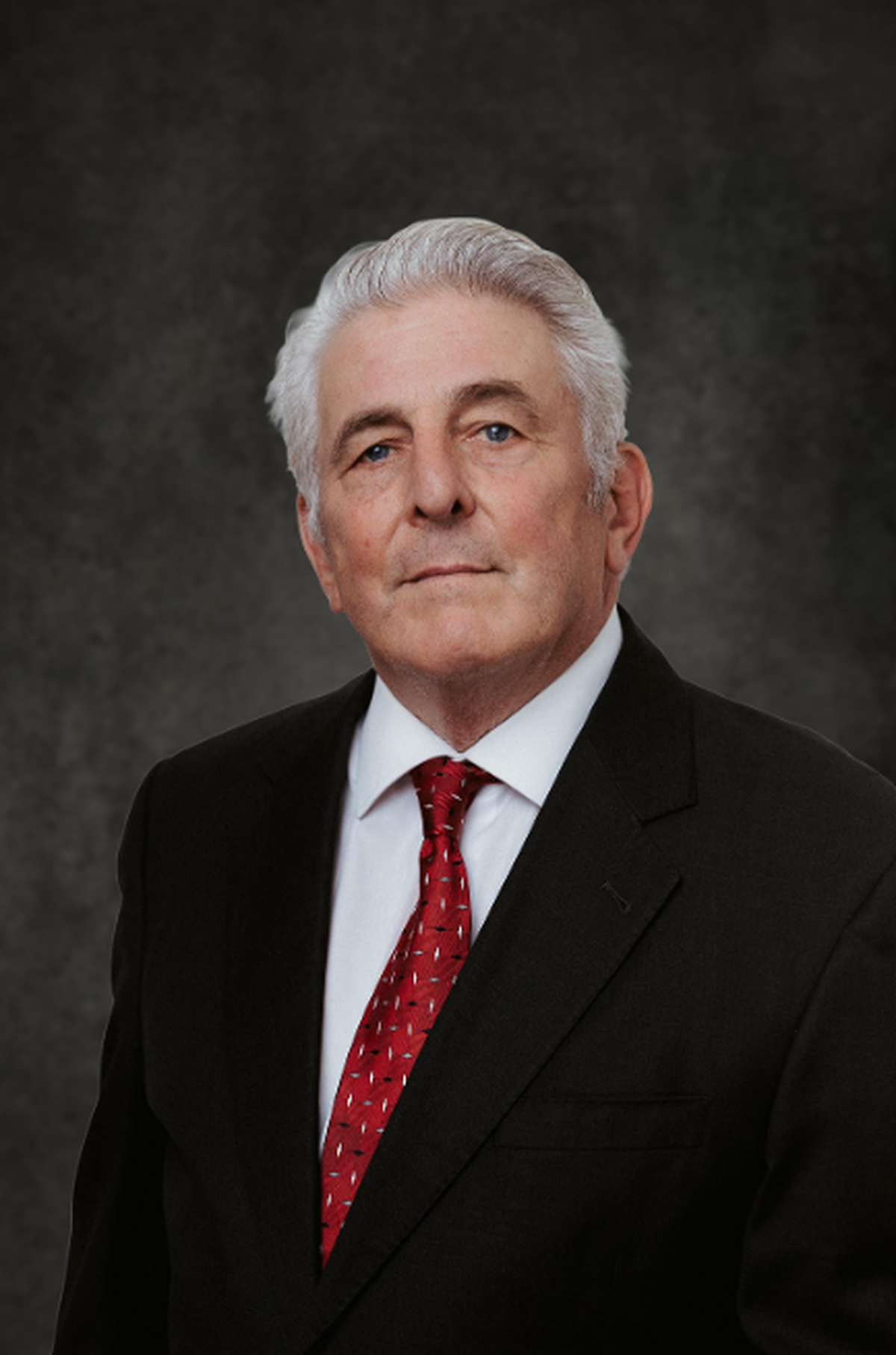
In the thick of this stood Ken Taylor, a former U.S. Marine from Daviess County who never surrendered his crew cut or his sense of righteousness.
Taylor was an assistant U.S. attorney for the Eastern District of Kentucky, based in Lexington, from 1990 until he retired in 2022. He prosecuted plenty of crimes, including white-collar fraud and murder. But he specialized in the kind of high-profile public corruption that made headlines.
The pipeline for Taylor’s prosecutions usually started with the FBI, which had a tiny field office in Frankfort to keep a close eye on state government. He also read the state’s two major newspapers, The Courier Journal in Louisville and the Lexington Herald-Leader, to see what muck its nosy reporters were raking.
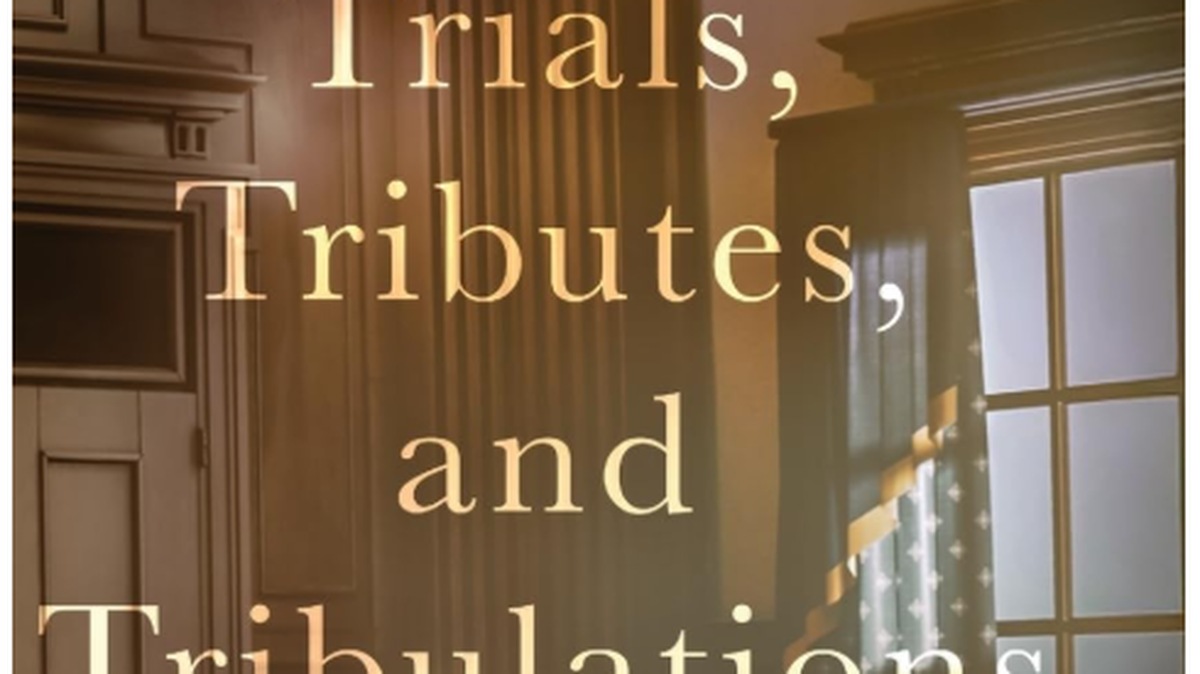
Now Taylor has written his memoirs from this period, “Trials, Tributes and Tribulations: A Career in Federal Criminal Court” (Koehler Books Publishing, 2026).
The book provides fascinating insights into many of Kentucky’s scandals from the last 35 years, just a few of which include:
- Richie Farmer, who traded his fame as a star on the University of Kentucky men’s basketball team for a political career as the state’s agriculture commissioner and 2011 Republican nominee for lieutenant governor. Farmer threw it all away with what one audit called a “toxic culture of entitlement.” He went to prison for assorted financial crimes intended to give him many nice things at the public’s expense.
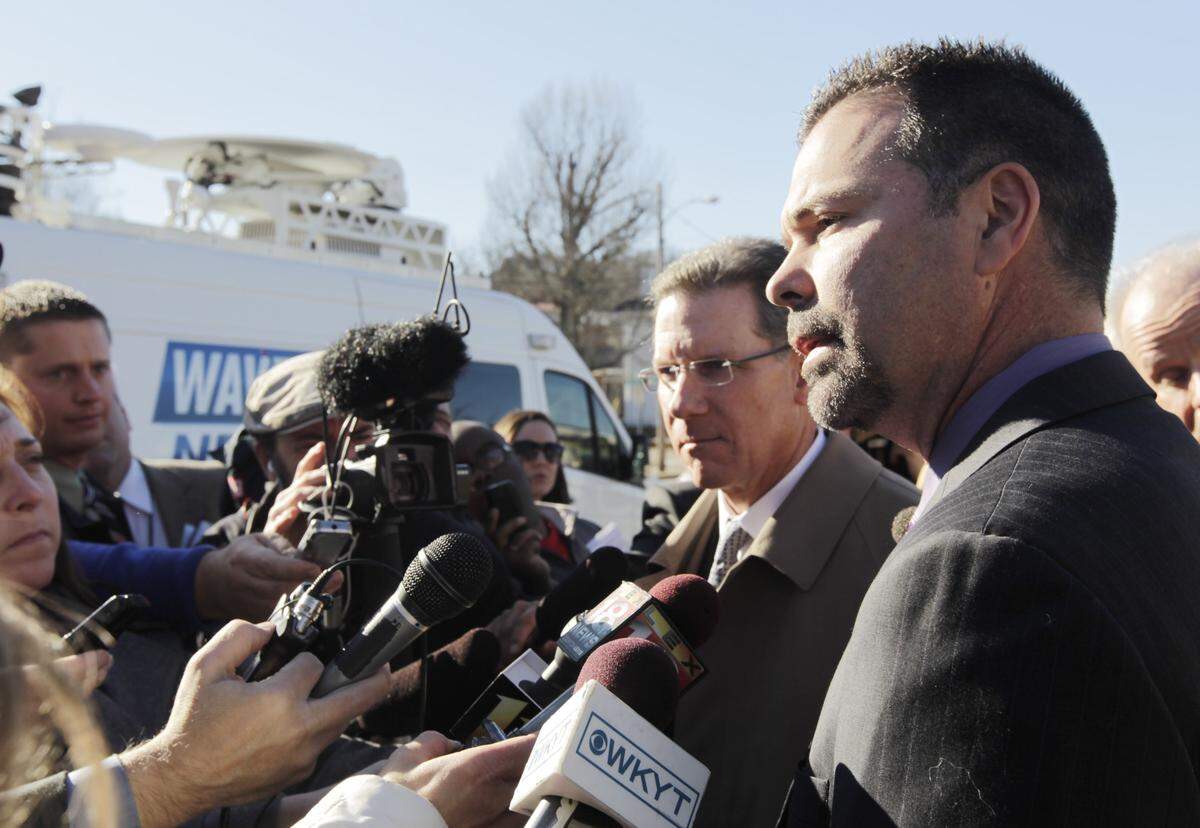
- Norrie Wake, the Fayette County prosecutor convicted of a kickback scheme involving pay raises he awarded to his office employees that were quietly returned to him so he could pay off his campaign debts.
- W. Keith Hall, a coal mine owner who represented Pike County in the Kentucky House for 14 years despite a history of ethics problems. Hall’s downfall was bribing a state coal mine inspector to look the other way on some of his operations — and then complaining to state officials that the inspector was squeezing him for too much cash, a protest that got reported in the Herald-Leader.
- Tina Conner, “the governor’s mistress,” as Taylor describes her in a chapter heading. That governor would be Paul Patton, two-term Democrat from 1995 to 2003. Conner alleged that Patton rigged the minority contract program at the Transportation Cabinet as a favor to her husband — who wasn’t a minority — during their affair. Much of the state’s highway money comes from Washington, so any fraud there could be a federal crime.
In his book, Taylor says he “tried mightily” to build a case against Patton, but he could not prove beyond a reasonable doubt that the governor knew he was aiding and abetting a fraud scheme. Patton refused to be interviewed by the Feds. Patton’s transportation secretary made it clear he would claim his Fifth Amendment right against self-incrimination if called before a grand jury to testify about what his cabinet did.
However, Conner hung herself with her own tongue. She kept giving interviews to the media detailing how she fraudulently obtained a Disadvantaged Business Enterprise certificate through the mail. That brought her a felony conviction for mail fraud, Taylor writes.
Feeling uneasy about Conner’s plight after the governor “stonewalled” his investigation, Taylor did arrange for her to get probation instead of prison.
“It looked like we were colluding with the public officials against the whistleblower,” Taylor acknowledges.
The biggest fish to escape Taylor’s net were millionaire Leonard Lawson, for a long time the king of Kentucky’s road contractors, and Bill Nighbert, who was Republican Gov. Ernie Fletcher’s transportation secretary. Taylor brought a bid-rigging case against the pair, alleging that Nighbert ordered confidential bid estimates leaked to Lawson for road projects worth $130 million.
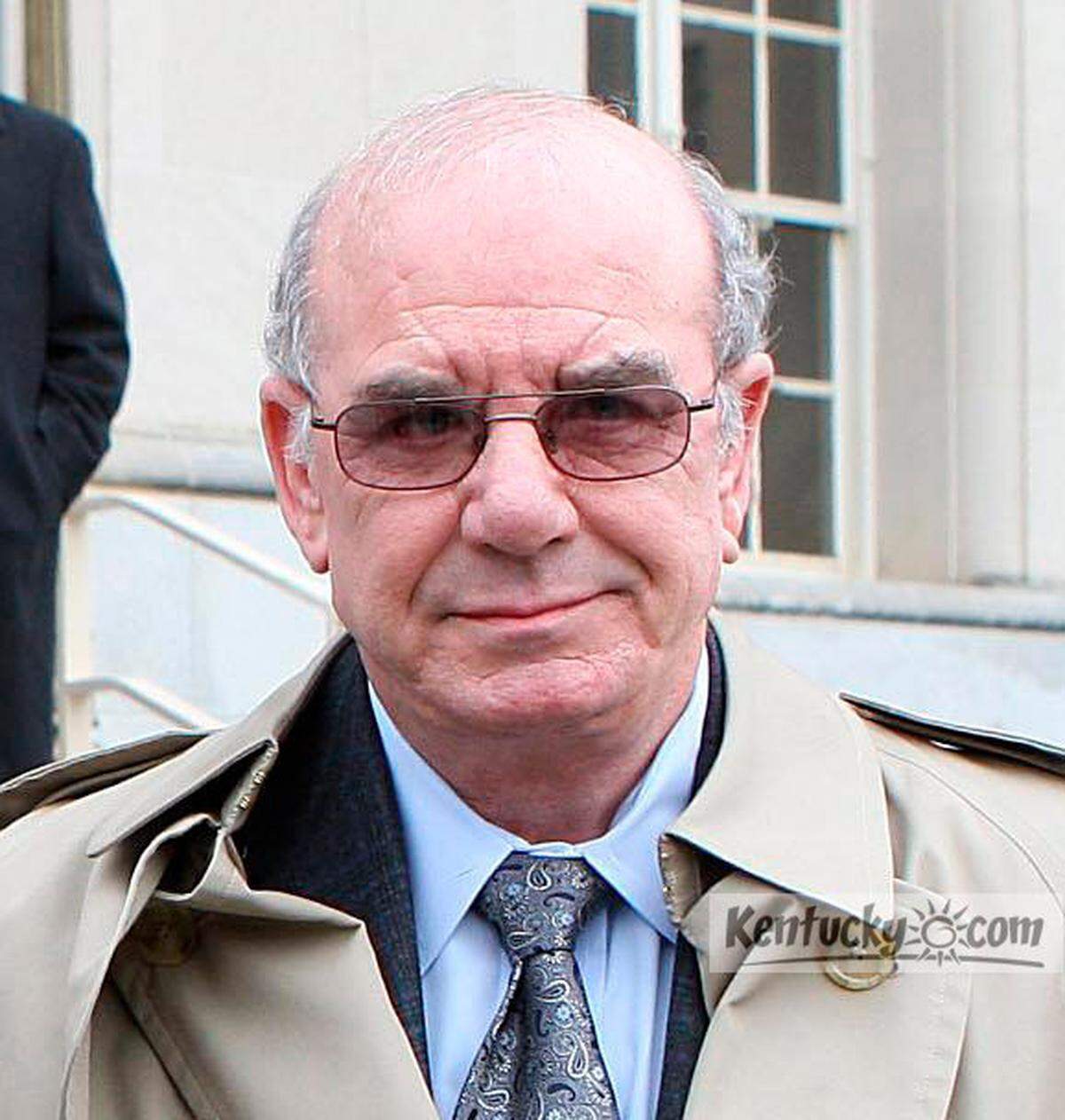
Taylor lost several evidentiary rulings before U.S. District Judge Karl Forester, whose son-in-law, the Herald-Leader reported, was a Frankfort lobbyist for Lawson’s industry group, the Kentucky Association of Highway Contractors. Taylor’s key witness, a Transportation Cabinet engineer who admitted accepting bribes, did not come off well to the jury.
And the defendants had “a battalion of very expensive and thorough lawyers” who filled an entire floor of a Lexington hotel during the trial and charged more than $10 million for their work, Taylor writes.
They were worth every penny. The jury acquitted Lawson and Nighbert on all charges.
“This was a grinding case with an unhappy ending for the prosecution,” Taylor writes. “But I have no regrets about bringing it.”
What strikes the reader about Taylor’s book upon reading it in 2026 is how unlikely we are to get a sequel anytime soon.
Not only did Taylor retire, but the FBI closed its Frankfort office; the state’s newspapers are a fraction of their former size and power; and the Justice Department under President Donald Trump last year shed thousands of career attorneys while shifting its weakened focus to immigration enforcement and Trump’s political retribution against his perceived enemies
What’s more, Trump has shown a predilection for pardoning the very sort of public corruption defendants that Taylor spent his career prosecuting.
This must be discouraging for what remains of Taylor’s old colleagues. Why would they spend months — even years — methodically constructing public corruption cases when the president might just condemn their work as a “partisan witch hunt” and erase any convictions that result? Or even punish them?
If we aren’t seeing new federal prosecutions exposing political misconduct in Kentucky’s corridors of power, there would seem to be two possible explanations. One is that our politicians, after more than two centuries of shady dealings, now operate completely above board.
The other, more likely explanation is that nobody is looking very hard anymore.