
A leader should exit before fatigue sets in | Opinion
Governor Andy Beshear’s recent public expression of lost confidence in the leadership of the University of Kentucky has put an uncomfortable question on the table: When is it time for a long-serving university president to step down? As someone who spent a decade as chancellor of UMass Amherst, and before that served as provost at the University of Kentucky itself, I have some perspective on this question shaped in part by having navigated it myself.
Let me be clear about what is not in dispute. President Capilouto has been a highly successful leader. Under his tenure, the University of Kentucky has made undeniable progress, and the benefits of strategic continuity and consistency of vision are real. Long-serving presidents bring stability, institutional memory, and the ability to see ambitious plans through to completion. These are not small things.
But there is a reason the average tenure of a university president today is less than six years. The job has become extraordinarily difficult, arguably the toughest leadership position in the country. The expectation of total transparency and meaningful shared governance increasingly collides with the demands of running what is, in effect, a quasi-corporate mega-institution. Personnel decisions, real estate transactions, the now fully professional business of college athletics, the competitive enterprise of healthcare all require speed and confidentiality that sit uneasily alongside the democratic traditions of the academy. Striking the right balance is exhausting work, and it gets harder the longer you do it.
I know this because I lived it. Let me confess something that few sitting presidents can say publicly: the pesky investigative reporters, the querulous union officials, the overbearing shared-governance bodies, and the nosey citizens who filed what felt like endless Freedom of Information Act requests were the bane of my existence. They consumed enormous amounts of my team’s time and slowed us down. And yet, those very checks kept me and my colleagues from taking well-intentioned but questionable shortcuts and circumventing longstanding rules and conventions that would have eroded the community’s trust in our administration. During the latter part of my tenure I delegated more and more to trusted lieutenants, and I had to ensure that everyone operated with an unflinching commitment to transparency and integrity. Those guardrails were not obstacles to good leadership; they were conditions of it.
The lack of transparency that Governor Beshear and others have complained about at UK is a warning sign I recognize. Over time, the constant presumption of malfeasance wears a leader down. The temptation to seek expedient solutions, to skip the consultation, to withhold the document, to treat oversight as an obstacle rather than a safeguard grows stronger with each passing year. It is not a moral failing; it is a natural consequence of fatigue. But it is dangerous, because once trust between an administration and its stakeholders begins to erode, it is very hard to rebuild.
The psychology of staying too long is also worth understanding. A successful president may genuinely worry that departure will cost the institution its momentum. Team members who have grown comfortable under the current arrangement may reinforce that concern. The Board, reluctant to undertake the uncertainty of a national search, may encourage continuity. And if the leader is near or past traditional retirement age, there can be a quiet reluctance to relinquish the authority and identity the position provides, especially if no serious life beyond the presidency has been cultivated.
What matters now is how this chapter ends. There has already been speculation about the governor’s power to force a leadership change, and Kentuckians need only recall the less-than-gracious exit at the University of Louisville under a previous governor to understand why that path serves no one well—not the university, not the Commonwealth, and not the president’s own legacy.
The greatest service a successful long-serving president can perform is to begin planning a succession from a position of strength, on their own terms, rather than waiting until external forces make the decision for them. That is not an admission of failure. It is the final act of good leadership—ensuring that the institution one has built up can continue to thrive under new stewardship, with fresh eyes and renewed energy. The best leaders are remembered not for how long they stayed, but for how well the institution flourished after they left.
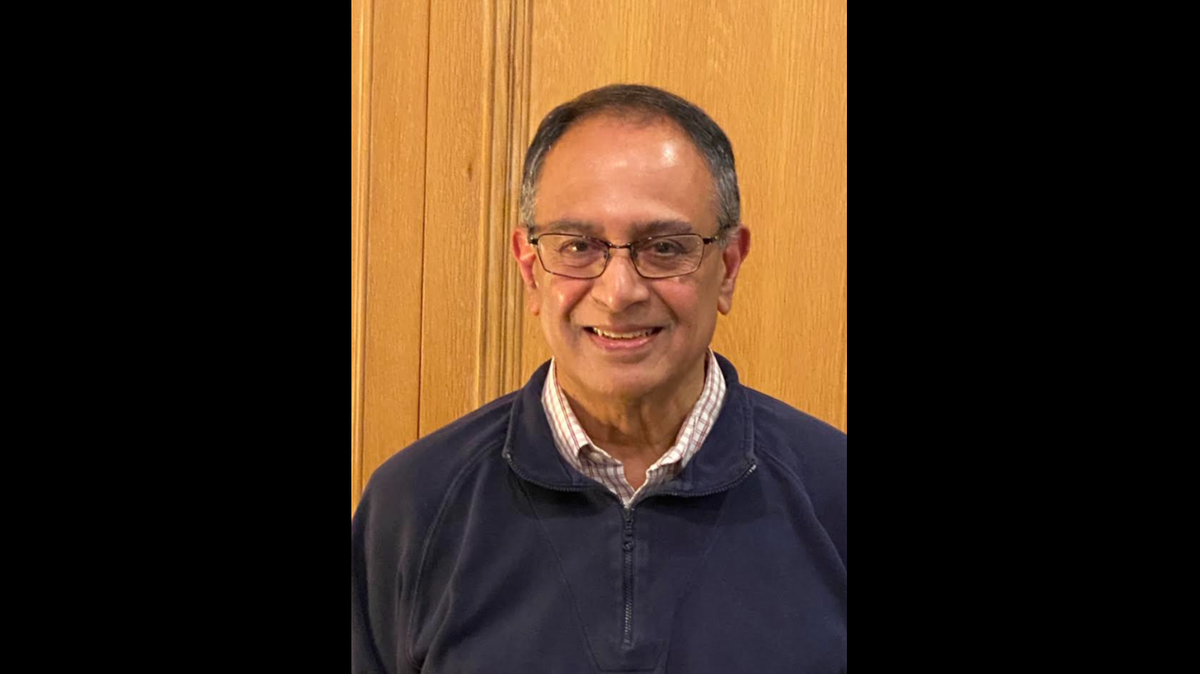
Kumble Subbaswamy, Ph.D., a Lexington resident, is a former provost at UK, and former chancellor of the University of Massachusetts. He is currently senior advisor to Stand Together for Higher Ed (standtogetherhighered.org), a national organization of higher education faculty and staff.