
Breaking the silence: Why Kentucky’s churches must address eco-grief | Opinion
This year, scientific forecasters point toward a volatile convergence of climate change and a “Super El Niño” cycle. The projections are stark: a severe hurricane season, elevated wildfire risks across the West, and historically abnormal heat across the globe. For the faithful in Kentucky, these are not merely headlines; they are the precursors to a profound communal trauma that many communities have experienced through flooding and extreme weather.
For many who turn to their congregations in times of upheaval, the question is no longer whether churches should respond to climate change, but whether they possess the spiritual infrastructure to do so. Our research with the EcoPreacher Cohort — a Lilly Endowment-funded initiative of Lexington Theological Seminary, The BTS Center, and Creation Justice Ministries — indicates that the primary obstacle facing faith communities is not a deficit of scientific data or a lack of environmental concern. Rather, it is a pervasive homiletical silence born from a lack of spiritual practices to name, hold, and process “eco-grief.”
Eco-grief is the deep mourning of the loss of species, human communities, and beloved natural places—landscapes that have been irrevocably damaged by environmental devastation. In the context of the Bluegrass region, this might manifest as the quiet sorrow over a changing Kentucky River watershed, trauma from flooding, or the loss of local biodiversity that once defined our Commonwealth. Our team’s research among 315 clergy and 577 lay church leaders across the U.S. demonstrates that climate change is no longer a distant concern but a pressing predicament causing measurable emotional distress. Nearly half of church leaders feel anxiety or dread (47%) and anger or frustration (45%), while more than a third (37%) feel alarm about the future of humanity.
But a significant disconnect exists between the pulpit and the pew. Preachers often underestimate the readiness of their listeners to talk about climate change, fearing that environmental themes will overwhelm the weary or spark political backlash. This misperception leads to a self-imposed silence that ignores the profound climate emotions already present in the congregation.
When clergy treat the climate crisis strictly as a political issue rather than a spiritual one, they rob their congregants of necessary pastoral care. Without a theological framework, parishioners are left with only secular language to express their existential dread. This leaves a void where faith should be, making it impossible for the church to address the theological challenges of a climate-changed world. In short, emotional processing is the bridge that carries a community from paralyzed concern to committed, collective action.
To build a resilient community, churches must move beyond the one-off Earth Day sermon and integrate ecological awareness into the very lifeblood of their liturgy and care. To address the spiritual and emotional weight of the climate crisis, faith leaders can integrate three vital practices: eco-lament, which uses scripture and liturgical seasons to grieve for what they have loved and lost; eco-testimony, where leaders share personal stories of local ecological loss to validate congregational sorrow and spark communal action; and eco-pastoral care, which employs trauma-informed practices to navigate the mental health impacts of shared ecological loss while providing safe spaces for both private and collective mourning.
Acknowledging eco-grief is not a niche interest or a distraction from the Gospel; it is a pastoral reality. While the climate catastrophes of 2026 may be inevitable, the church’s response has a role to play in whether a community unravels or holds together. When preachers have the courage to break the silence, they fulfill their role as caregivers and help revitalize the church’s community life. By bridging faith and emotion, Kentucky’s churches can foster the resilience necessary to find meaning, dignity, and hope in a climate-changed world.
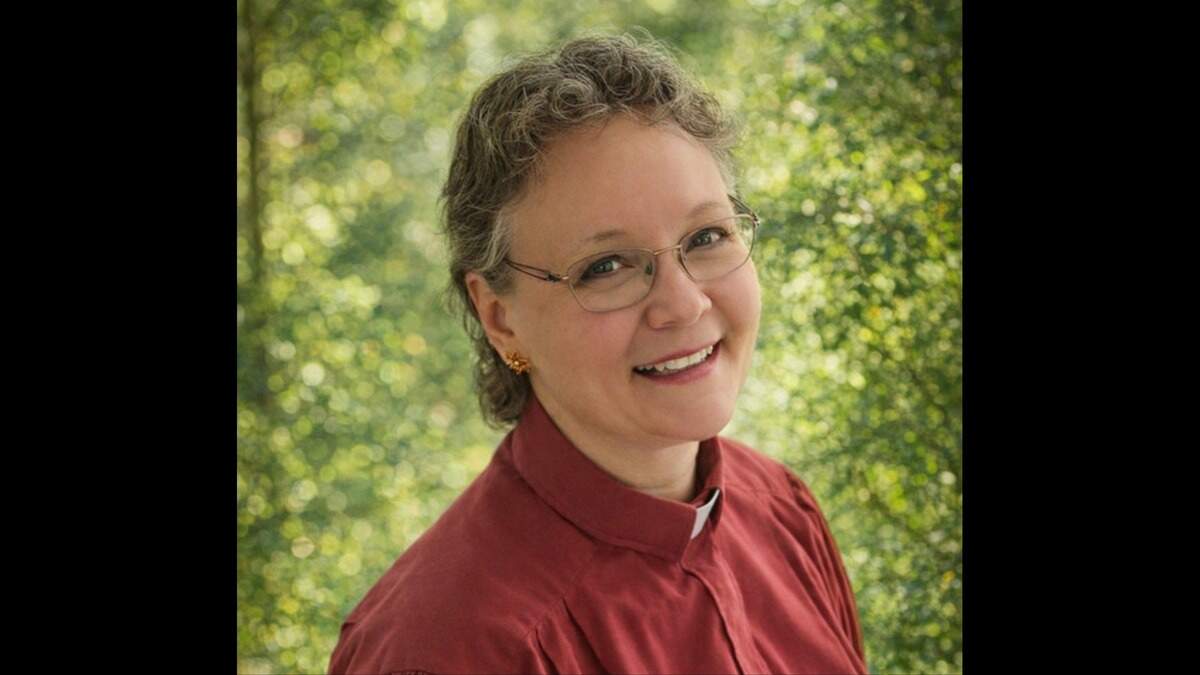
Leah D. Schade is associate professor of preaching and worship at Lexington Theological Seminary. With assistance from Benjamin Yosua-Davis, director of applied research at The BTS Center, Rebecca Kneale Gould, Amanda Wilson Harper, Kim Rahebi, and Wayne L. Thompson.